
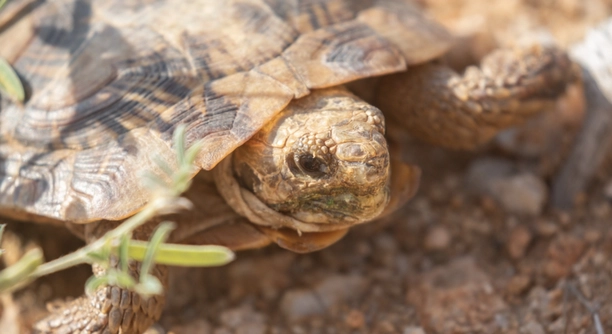
Pancake tortoises are fascinating reptiles, but maintaining their health requires careful observation. One important aspect to monitor is their weight, which plays a significant role in their overall well-being. Keeping an eye on their size can help prevent issues.
The most common signs of an underweight pancake tortoise include visible ribs, lethargy, and a lack of interest in food. These symptoms can indicate that the tortoise is not receiving enough nutrition, which may affect its growth and energy levels.
By understanding these signs, you can better care for your tortoise and address potential health concerns early on.
Common Signs Your Pancake Tortoise Is Underweight
It can be easy to overlook a pancake tortoise’s weight loss until it becomes severe. A healthy pancake tortoise has a well-rounded shape, with visible shell curves and energy. When they begin to lose weight, their appearance changes, and they might look thinner with more prominent ribs. This is a sign that they aren’t getting enough food or proper nutrition.
If you notice that your tortoise is eating less, has reduced energy, or seems slower than usual, it could be an indicator of weight loss. They may become less active or appear withdrawn, avoiding interaction or food. Additionally, a visibly sunken or hollow shell can also be a sign that your tortoise needs more food.
If you observe any of these behaviors in your pancake tortoise, it is important to act quickly. Addressing the issue early can prevent further complications. If left untreated, underweight tortoises are more susceptible to other health problems like dehydration or weakened immune systems.
Diet and Nutrition
A balanced diet is essential for the health of your pancake tortoise. Providing them with the right mix of fresh greens, fruits, and calcium is key to maintaining their weight.
Pancake tortoises require a diet rich in fiber and calcium to keep their shells strong and their body healthy. Offering them a variety of leafy greens, such as dandelion leaves, collard greens, and clover, ensures that they receive a full range of nutrients. It’s important to avoid feeding them too many high-oxalate vegetables like spinach, as this can interfere with calcium absorption. Additionally, providing a calcium supplement can help prevent deficiencies that may affect their growth and shell development.
Be sure to feed them enough, but not overfeed, as obesity can also be an issue. Regularly assess their food intake and adjust portions if necessary to maintain a healthy weight.
Hydration and Its Role in Weight Gain
Dehydration can contribute to your pancake tortoise’s underweight condition. When they don’t drink enough water, they may lose their appetite, which can lead to further weight loss.
Ensure your tortoise has access to fresh, clean water at all times. You can also lightly mist their environment or offer water-rich foods like cucumbers and leafy greens to encourage hydration. If they aren’t drinking water on their own, gently soak them in shallow water for about 20 minutes to help them rehydrate. Hydration directly affects their digestion and energy levels, so keeping them hydrated is crucial for recovery.
Keeping their enclosure humidity levels at a steady range will also support their hydration needs. If the environment is too dry, they might struggle to absorb water, affecting their health. Proper humidity and consistent water access can make a significant difference in restoring your pancake tortoise’s weight and vitality.
Proper Enclosure Setup
A proper enclosure setup not only promotes a healthy lifestyle for your pancake tortoise but also encourages better eating habits. The right habitat makes a big difference in your tortoise’s overall health and comfort.
Your tortoise’s enclosure should have a temperature gradient with a warm basking area (around 90°F) and a cooler area (70°F to 75°F) to regulate body temperature. This helps them maintain their metabolism and appetite. Include plenty of hiding spots to reduce stress and prevent unnecessary weight loss. A stress-free environment can improve their food intake, which is critical for weight gain.
In addition to the proper temperature, make sure they have access to UVB lighting, as it helps them metabolize calcium and improves overall well-being. Maintaining a clean and spacious environment also promotes better behavior and feeding habits, which can help your tortoise get back on track.
Stress and Its Impact on Weight
Stress can have a significant effect on your pancake tortoise’s health, leading to weight loss. It can reduce their appetite and energy levels.
Common stress factors for pancake tortoises include loud noises, handling, or sudden changes in their environment. A stressed tortoise might hide more and show less interest in food. Try to minimize disturbances in their environment and avoid excessive handling to reduce stress. Create a calm, quiet space for them to thrive.
Medical Issues to Consider
Sometimes, underlying health problems can cause weight loss in your pancake tortoise. Infections, parasites, or metabolic issues may be at play.
If your tortoise isn’t gaining weight despite proper care, a vet visit is essential. A reptile veterinarian can help identify any health conditions that may be affecting their appetite and weight. Treatment may include medications, changes in diet, or adjustments to their environment. Early detection of medical issues helps prevent long-term health complications and ensures that your tortoise can recover and regain a healthy weight.
Weight Monitoring
Regularly monitoring your pancake tortoise’s weight is vital to ensure they are gaining and maintaining a healthy size. Weighing them weekly provides clear insight into their progress.
Use a small digital scale to monitor their weight and track any changes. Record their measurements to detect patterns over time. This allows you to adjust their diet, hydration, and care routine as needed. Keeping track of their weight ensures that you’re on the right path to helping them regain and maintain their health.
FAQ
What is the ideal weight for a pancake tortoise?
The ideal weight for a pancake tortoise can vary depending on its age and size. Generally, adult pancake tortoises weigh between 2 and 4 pounds. Juveniles are lighter, typically weighing less than 1 pound. It’s important to monitor their weight regularly, especially during their growth stages, to ensure they are healthy and gaining weight at a proper rate.
How can I tell if my pancake tortoise is underweight?
An underweight pancake tortoise often has a visible, pronounced rib cage and a slightly sunken or hollow shell. They may also appear lethargic, lose interest in food, or avoid social interactions. A noticeable decrease in appetite and energy levels are red flags that your tortoise may not be getting the proper nutrition or care.
What should I feed my pancake tortoise to help them gain weight?
To help your pancake tortoise gain weight, provide a balanced diet that includes dark leafy greens like collard greens, dandelion leaves, and clover. You can also feed them fruits like papaya and melon occasionally. It’s essential to ensure that their diet is high in fiber and calcium to support proper growth and shell development. Avoid high-oxalate vegetables, such as spinach, as they can interfere with calcium absorption.
Can dehydration cause my pancake tortoise to lose weight?
Yes, dehydration can lead to weight loss and other health issues. A dehydrated tortoise may not have the energy to eat or move around as usual. Providing fresh, clean water at all times is essential. You can also soak your tortoise in shallow water for about 20 minutes to help them rehydrate. Additionally, offering hydrating foods like cucumbers can assist in maintaining their hydration levels.
How do I reduce stress in my pancake tortoise?
Stress can cause a pancake tortoise to lose appetite and become lethargic. To reduce stress, create a calm, quiet environment for your tortoise. Avoid sudden temperature changes, loud noises, and excessive handling. Make sure their enclosure is spacious enough for them to hide and feel secure. A consistent routine and minimal disturbances help reduce stress and promote overall health.
Is it normal for my pancake tortoise to refuse food sometimes?
It’s not uncommon for pancake tortoises to refuse food occasionally. However, if this becomes a regular occurrence, it could indicate an underlying issue such as stress, dehydration, or an illness. If your tortoise refuses food for more than a couple of days, it’s best to consult a vet to rule out any medical concerns.
How can I increase the calcium intake of my pancake tortoise?
To increase your tortoise’s calcium intake, offer calcium-rich foods like collard greens, turnip greens, and clover. You can also provide a calcium supplement, available in both powdered or block form, to ensure they are getting enough. Dusting their food with calcium powder can be an effective way to boost their intake.
Should I adjust the temperature in my tortoise’s enclosure if they’re underweight?
Yes, the temperature in the enclosure plays a significant role in your pancake tortoise’s appetite and overall health. A proper temperature gradient, with a basking spot around 90°F and a cooler area between 70°F and 75°F, is crucial. Ensuring the temperature stays within this range can help regulate their metabolism, making them more likely to eat and maintain a healthy weight.
What kind of lighting do pancake tortoises need?
Pancake tortoises need UVB lighting to properly metabolize calcium and maintain overall health. This lighting mimics sunlight and helps prevent metabolic bone disease. Ensure your tortoise has access to UVB light for 10 to 12 hours per day, and position the light to create a basking spot with temperatures around 90°F. Regular exposure to UVB light helps them maintain healthy bones and shells.
How often should I feed my pancake tortoise?
Young pancake tortoises should be fed daily, while adult tortoises can be fed every other day. Offer a variety of fresh greens and occasional fruits. Ensure that you are providing enough food to meet their nutritional needs, but avoid overfeeding to prevent obesity. Monitor their weight regularly to make sure they are maintaining a healthy size.
What are the signs of parasites in pancake tortoises?
Signs of parasites in pancake tortoises can include diarrhea, weight loss, and a decrease in appetite. If your tortoise is lethargic or exhibits unusual behavior, such as excessive scratching or rubbing against objects, it could be a sign of parasitic infection. A vet visit is recommended to diagnose and treat any potential parasite issues.
How can I help my pancake tortoise with shell growth?
Proper diet, hydration, and UVB lighting are crucial for healthy shell growth. Calcium is especially important for shell development, so make sure your tortoise is receiving enough. Additionally, a spacious and safe environment allows them to move around freely, which promotes physical development and contributes to strong shell growth.
Should I be worried if my pancake tortoise is losing weight quickly?
Rapid weight loss in a pancake tortoise is a cause for concern and could indicate a serious health issue. If you notice that your tortoise is losing weight quickly, it’s important to consult a veterinarian as soon as possible. Quick weight loss may be a sign of dehydration, stress, or an underlying medical problem that requires immediate attention.
Can overfeeding cause health problems for my pancake tortoise?
Yes, overfeeding can lead to obesity in pancake tortoises, which can result in several health problems, such as shell deformities, metabolic issues, and reduced mobility. To prevent overfeeding, monitor your tortoise’s food intake, offer a variety of nutritious foods, and avoid feeding high-calorie treats too frequently.
Final Thoughts
Maintaining the health of your pancake tortoise is crucial to ensuring they live a long and happy life. Keeping an eye on their weight, behavior, and eating habits is key to spotting signs of an underweight tortoise early on. A combination of a proper diet, hydration, appropriate temperatures, and UVB lighting will help keep your tortoise healthy and thriving. If you notice any signs of weight loss or other unusual behaviors, it’s important to address the issue quickly to avoid long-term health problems.
A balanced diet with the right mix of calcium, fiber, and hydration is essential for your pancake tortoise’s weight gain and overall well-being. Providing access to a variety of leafy greens, occasional fruits, and calcium supplements will help them gain and maintain a healthy weight. Regularly monitoring their weight and ensuring they have a comfortable living environment also plays a significant role in preventing underweight issues. Remember, consistency in care is important for your tortoise’s growth and health.
If you’re unsure about your tortoise’s weight or health, don’t hesitate to reach out to a veterinarian who specializes in reptiles. A professional can give you specific advice on how to care for your tortoise based on their individual needs. With the right care, your pancake tortoise will be able to live a fulfilling, healthy life, free from the risks of being underweight.

Hello,
If you enjoy the content that we create, please consider saying a "Thank You!" by leaving a tip.
Every little bit helps us continue crafting quality advice that supports the health, happiness, and well-being of pets around the world, for pets of all shapes, sizes, and species.
We really appreciate the kindness and support that you show us!