
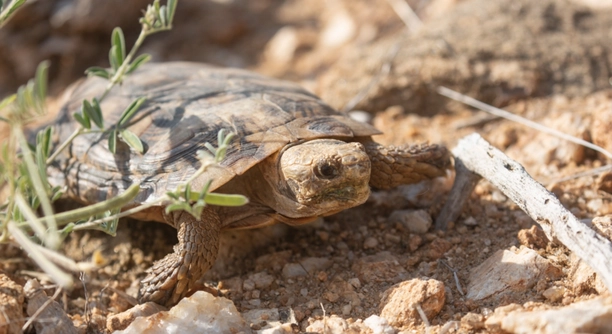
Your Pancake Tortoise’s environment is crucial to its health. Overheating can lead to stress and discomfort for your pet, causing various behavioral changes. Recognizing the signs of heat stress and knowing how to cool your tortoise down is essential.
If your pancake tortoise is exposed to excessive heat, it may exhibit signs such as lethargy, reduced appetite, and open-mouth breathing. Proper temperature management is critical for maintaining their well-being. Ensuring adequate cooling methods can prevent health risks.
Knowing when and how to cool your pancake tortoise down can help keep it comfortable and healthy in its habitat.
Common Signs of Overheating in Pancake Tortoises
One of the most noticeable signs of a pancake tortoise being too hot is lethargy. If it isn’t moving much or seems unusually tired, that’s a clear indicator. You might also notice it spending a lot of time in cooler, shaded areas or attempting to burrow to escape the heat. Another sign is open-mouth breathing, which may appear as an attempt to regulate body temperature. Loss of appetite can also signal that the temperature is too high for your pet to feel comfortable enough to eat. If your pancake tortoise exhibits any of these behaviors, it’s crucial to address the situation immediately.
Overheating can have serious consequences on a pancake tortoise’s health. If the heat stress continues for too long, it could lead to dehydration, respiratory problems, or even organ failure. Therefore, monitoring their environment consistently is essential.
To help avoid overheating, maintain the proper temperature range for your pancake tortoise’s habitat. Temperatures between 85°F and 95°F are ideal. If the enclosure is too warm, it’s time to adjust. A thermometer will ensure the temperature remains within this safe range.
Cooling Methods to Keep Your Tortoise Comfortable
If you notice that your pancake tortoise is too hot, one of the quickest ways to cool it down is to move it to a shaded area or a cooler part of its enclosure.
Ensure the enclosure has areas where your tortoise can retreat to escape heat. Providing shaded spots or hiding places helps it regulate body temperature naturally. Misting the enclosure lightly with water or adding cool stones can create a temperature drop. However, be cautious not to make the environment too humid, as this can lead to other health issues. Adjusting the humidity levels properly is equally important.
A reliable way to cool down your pancake tortoise is by setting up a cool water bath. This will help lower its body temperature gradually. Make sure the water temperature is not too cold or it could cause shock. You can also use fans to circulate the air within the enclosure. Keep in mind that proper ventilation is key.
Temperature Regulation for Your Tortoise
Your pancake tortoise needs a stable environment, with temperatures that fluctuate between day and night. This mimics natural conditions, allowing the tortoise to adjust. During the day, maintain warmth around 85°F to 95°F. At night, the temperature can drop to around 75°F.
To achieve this, use a heat lamp during the day and a ceramic bulb or under-tank heater at night. Position the heat sources carefully so that your tortoise can regulate its body temperature by moving between warmer and cooler spots. Keep a thermometer in the enclosure for accurate monitoring.
Consider adding a cooler side of the habitat where your pancake tortoise can retreat when it needs to cool down. This balanced approach helps avoid overheating while ensuring that your tortoise is never exposed to extreme temperature fluctuations.
Hydration and Heat Stress
When temperatures rise, your pancake tortoise may become dehydrated. Ensure fresh water is available at all times, especially during warmer months.
Hydration helps regulate your tortoise’s internal temperature and overall health. If your tortoise isn’t drinking enough water, offer water in a shallow dish, allowing it to soak in. For a more effective method, you can mist the tortoise directly with water, but be cautious not to overdo it.
Monitoring hydration is essential, as dehydration can lead to lethargy and digestive problems. Keep an eye on your tortoise’s behavior. If it shows signs of dehydration, it might not be able to cool down properly. Offer water more frequently to ensure proper hydration and temperature balance.
Providing Shade for Your Tortoise
Your pancake tortoise needs access to shaded areas throughout its habitat. Without a proper escape from heat, it may become overheated.
Place a few rocks or plants in the enclosure to create shaded spots. You can also use a cloth or other materials to block direct sunlight. This gives your tortoise options for temperature control and comfort.
Ventilation and Airflow
Proper ventilation helps maintain a balanced temperature in your tortoise’s enclosure. Without airflow, heat can become trapped, increasing the risk of overheating.
Ensure the habitat has enough openings for air circulation. Avoid overcrowding or enclosing the space too tightly, as this can restrict airflow. Proper ventilation also helps prevent humidity from building up, maintaining a healthy environment for your tortoise.
FAQ
How do I know if my pancake tortoise is too hot?
Signs of heat stress in your pancake tortoise include lethargy, loss of appetite, open-mouth breathing, and seeking out cooler areas of the enclosure. If it shows these behaviors, the temperature may be too high.
It’s important to maintain a stable temperature range of 85°F to 95°F during the day. If the enclosure exceeds this range, it’s time to cool things down. Additionally, if you notice your tortoise trying to burrow or staying under shade constantly, it could be an indication that it’s too hot.
What should I do if my tortoise is overheated?
If your pancake tortoise is showing signs of overheating, the first step is to move it to a cooler, shaded area. Allow it to rest in a calm environment, as it may need time to recover.
After that, consider adjusting the temperature in the enclosure to ensure it stays within the safe range. You can also offer a shallow water bath to help lower its body temperature gradually. Avoid making any sudden changes, as this could stress your tortoise further.
Can I use a fan to cool my pancake tortoise?
Yes, a fan can help improve airflow and lower the temperature in the enclosure. Proper ventilation is crucial for maintaining a comfortable environment.
However, don’t rely solely on a fan. It’s essential to monitor the humidity levels, as fans can sometimes increase the dryness in the air. Using fans in combination with shaded areas and cool water baths is the most effective approach.
How often should I mist my pancake tortoise’s habitat?
Misting can help maintain the right humidity levels, but it’s important not to overdo it. You should mist the habitat lightly, especially during warmer months.
Misting every few days is typically enough, but the frequency can depend on your environment. If you live in a very dry climate, misting once a day may be necessary. Just make sure it doesn’t get too humid, as this can cause problems for your tortoise.
Can a pancake tortoise live in temperatures lower than 75°F?
While pancake tortoises can tolerate some temperature fluctuations, it’s not ideal for them to be exposed to temperatures lower than 75°F for extended periods.
If the temperature drops too low, your tortoise may become lethargic, lose its appetite, or become stressed. If you notice these signs, it’s important to adjust the temperature back to a more suitable range. You can use a ceramic heat bulb or an under-tank heater to maintain warmth at night.
What’s the best way to regulate my tortoise’s temperature?
To regulate your pancake tortoise’s temperature effectively, create both a warm and cool zone in its enclosure. Use heat lamps to warm one side of the habitat and leave the other side cooler.
This allows your tortoise to move between areas to maintain its body temperature naturally. Make sure the cooler area stays within the range of 75°F to 80°F, while the warm zone should be between 85°F and 95°F during the day.
How can I ensure my pancake tortoise stays hydrated during hot weather?
Hydration is especially important during hot weather, as dehydration can worsen the effects of overheating. Always have fresh water available in a shallow dish.
You can also offer occasional water baths. If your tortoise seems uninterested in drinking from the dish, try gently misting it with water. This can encourage it to drink and stay hydrated.
Should I adjust the lighting in the enclosure?
Yes, adjusting the lighting is essential. Pancake tortoises need both UVB lighting for calcium absorption and appropriate heat. Ensure the heat lamp and UVB bulb are in good condition and positioned correctly.
Make sure the UVB light covers the warm side of the enclosure. This will allow your tortoise to bask and benefit from the heat and light while avoiding direct exposure to the lamp.
What are the signs that my pancake tortoise is stressed?
Stress can manifest as reduced movement, lack of appetite, or excessive hiding. If your tortoise is constantly retreating to its hide or seems restless, these are signs of stress.
Temperature imbalance, inadequate hydration, or a poor habitat setup are common stress triggers. Regularly monitor temperature, humidity, and lighting to create a stable environment for your tortoise.
Final Thoughts
Maintaining the right temperature for your pancake tortoise is crucial to its overall health and well-being. Too much heat can cause stress and health issues, while too little heat can make it sluggish and lethargic. Providing a balance between warm and cool areas within its enclosure allows your tortoise to regulate its body temperature naturally, preventing overheating. By ensuring proper hydration, ventilation, and a stable temperature range, you can support your tortoise’s ability to thrive in its habitat.
It’s important to regularly monitor your tortoise’s behavior and environment. If your pancake tortoise becomes lethargic, seeks shelter constantly, or shows signs of dehydration, these may indicate that the temperature or humidity is not optimal. Make necessary adjustments by adding shade, adjusting heat sources, or increasing water availability. When observing its behavior, always look for signs that might suggest discomfort or stress due to temperature fluctuations.
By taking these small but essential steps, you can create a comfortable environment for your pancake tortoise. Paying attention to the temperature range, humidity, and hydration will keep your tortoise healthy, active, and stress-free. Regular checks and maintenance of its enclosure will help prevent issues before they become serious. A balanced environment ensures your tortoise can enjoy a long, healthy life, allowing it to thrive in your care.

Hello,
If you enjoy the content that we create, please consider saying a "Thank You!" by leaving a tip.
Every little bit helps us continue crafting quality advice that supports the health, happiness, and well-being of pets around the world, for pets of all shapes, sizes, and species.
We really appreciate the kindness and support that you show us!