
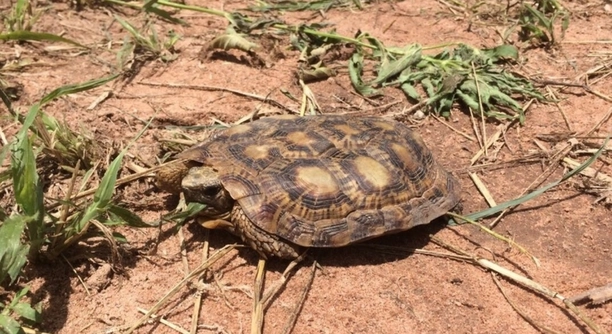
Pancake tortoises are fascinating creatures that require special care to thrive in captivity. One essential aspect of their care involves providing the right amount of UVB light. Too much can harm them, so it’s important to monitor exposure closely.
Excessive UVB light can lead to health issues for pancake tortoises, such as dehydration, skin damage, and even shell deformities. These effects may become evident in their behavior, appearance, and overall well-being. Maintaining a balanced UVB exposure is crucial.
Understanding the signs of overexposure will help you keep your pancake tortoise healthy and happy. By noticing early symptoms, you can make necessary adjustments to their environment.
Sunburn and Skin Damage
Excessive UVB light can cause sunburn and skin damage to your pancake tortoise. Their skin may start to look red, inflamed, or even scaly if exposed to too much UVB. This can lead to a lot of discomfort for them. It’s crucial to watch their skin closely, especially after extended UVB exposure. If you notice redness or swelling, it’s time to adjust the lighting.
Make sure they have plenty of shaded areas to retreat to when they need a break from the light. This gives them a choice to control their exposure, which is important in maintaining their health.
It’s always a good idea to check the UVB light intensity regularly. If it seems too strong or lasts too long, reduce the exposure time. Their skin will thank you, and you’ll notice less irritation. Remember, tortoises are not used to intense, constant UVB rays, so balancing their environment is key to avoiding burns and damage.
Dehydration and Excessive Heat
Another sign of too much UVB light is dehydration. When exposed to prolonged UVB light, pancake tortoises can become overheated. This can lead to them becoming sluggish and overly dry, causing stress on their internal systems.
The temperature from strong UVB light combined with the dryness can dehydrate them quickly. Make sure you are maintaining a temperature that allows them to stay hydrated. Providing fresh water regularly is also a great step to help. Be sure to keep your tortoise’s living area moist enough to prevent dehydration from happening in the first place.
Regulating UVB exposure and ensuring proper hydration will prevent this issue from becoming more serious. Check on your tortoise’s water dish and make sure it’s clean and filled daily. Make adjustments to lighting, temperature, and humidity as needed. Keeping the balance right will help them thrive.
Shell Deformities
Too much UVB light can lead to shell deformities, affecting the shape and strength of your pancake tortoise’s shell. When exposed to excessive UVB, the tortoise may experience growth issues. This can result in a soft or misshapen shell over time.
The shell serves as an essential protection for your tortoise. A deformity can affect their overall health, making it difficult for them to move or feel comfortable. Proper lighting, along with a good diet, is necessary to support shell health. Without this balance, your tortoise could face long-term problems.
Adjusting UVB exposure is key. Too much light can interfere with their natural shell development, so monitor the intensity of the light closely. If deformities are noticed, consult with a vet to assess the damage and help remedy the situation. Take action quickly to ensure your tortoise’s shell stays strong and healthy.
Lethargy and Reduced Activity
When your pancake tortoise is exposed to too much UVB light, they can become lethargic. This happens because the stress from excessive light can cause them to feel drained. They might spend more time hiding in their shell or remaining inactive, which is a clear sign of overexposure.
It’s important to observe their energy levels closely. Pancake tortoises are naturally active, but too much UVB light can make them avoid activity. If you notice a decline in their usual movements, it might be time to reduce their UVB exposure. Keeping the light exposure balanced will prevent stress and help them stay lively.
Lethargy in your tortoise can also indicate that they need a proper resting environment. You should provide places for them to retreat, where they can relax and recover. With the right UVB balance, they will return to their energetic self, roaming around and enjoying their habitat.
Changes in Behavior
Overexposure to UVB light can cause changes in your pancake tortoise’s behavior. They may become more aggressive or anxious when they feel stressed from too much light. These behavioral shifts are usually a sign that something isn’t quite right in their environment.
Take note of any sudden changes. If your tortoise starts to act out of character, such as becoming more reclusive or defensive, this could be a sign that UVB levels are too high. Monitor their behavior and adjust their lighting setup accordingly to keep them comfortable.
Poor Appetite
When a pancake tortoise receives too much UVB light, their appetite can suffer. Stress from overexposure to the light can reduce their interest in food. They may refuse to eat or become overly picky.
If your tortoise is eating less than usual, it’s worth checking the UVB exposure. Too much light can make them uncomfortable, which affects their feeding behavior. Ensure the lighting isn’t overwhelming them, and allow them to rest in cooler, shaded areas to help regain their appetite.
Shell Softness
Excessive UVB light may lead to softening of your pancake tortoise’s shell. Overexposure disrupts their calcium absorption, which weakens the shell. Without enough calcium, their shells may become softer and more fragile.
Keep an eye on your tortoise’s shell for signs of softness or deformities. Ensure they are receiving the right balance of UVB exposure, combined with proper calcium in their diet. If the shell begins to soften, consult a vet to address potential calcium deficiency or other issues.
FAQ
How much UVB light should my pancake tortoise get?
Pancake tortoises need around 10 to 12 hours of UVB light each day, but this can vary depending on their age, health, and the strength of the UVB bulb used. A good rule of thumb is to use a UVB light that provides a range of 5.0 to 10.0 UVB, as this range is ideal for promoting proper calcium metabolism. Too much UVB light can cause problems like sunburn or dehydration, while too little can lead to calcium deficiency. Make sure the light is at the correct distance from the tortoise to avoid overexposure.
Can my pancake tortoise have too little UVB light?
Yes, inadequate UVB exposure can lead to several health problems for your pancake tortoise. UVB light is essential for helping them process calcium properly, which is needed for strong bones and a healthy shell. Without enough UVB, they may develop metabolic bone disease (MBD), a condition that weakens their bones and shell. This can lead to deformities and even paralysis in extreme cases. If you’re unsure if your tortoise is getting enough UVB light, it’s best to check with a vet.
What kind of UVB light should I use for my pancake tortoise?
You should use a UVB bulb designed for reptiles, ideally one that emits a 5.0 to 10.0 UVB spectrum. The 5.0 to 7.0 UVB range is generally suitable for desert tortoises, while 10.0 UVB bulbs are better for more tropical species. Fluorescent bulbs or mercury vapor bulbs work best for providing consistent UVB rays. Make sure to replace the bulb every 6 to 12 months, as the UVB output diminishes over time even if the light still works.
How do I know if my pancake tortoise is getting too much UVB?
Signs of too much UVB light include skin burns, lethargy, dehydration, and shell deformities. If your tortoise is spending too much time hiding or appears stressed, this could be a sign that the UVB exposure is too high. Their skin might become red or irritated, and they may lose interest in food. If you notice any of these signs, it’s important to adjust the UVB light’s intensity or duration, and ensure your tortoise has access to cooler, shaded areas.
Can I use natural sunlight for UVB exposure instead of artificial lights?
Natural sunlight can be an excellent source of UVB for your pancake tortoise. However, you must be careful about how much direct sunlight they receive. Inconsistent exposure or too much direct sunlight can lead to overheating and stress. If you decide to use natural sunlight, ensure that they have a safe outdoor area with a mix of shaded spots and sunny spots. Using a UVB bulb is often a safer and more reliable option for consistent exposure.
How often should I change the UVB bulb for my pancake tortoise?
UVB bulbs lose their effectiveness over time, even if they still emit visible light. It’s important to replace the UVB bulb every 6 to 12 months, depending on the type of bulb you use. For fluorescent UVB bulbs, replace them every 6 months, while mercury vapor bulbs can last a bit longer, around 12 months. Always check the manufacturer’s instructions for specific guidance on replacement.
Can my pancake tortoise get too hot from UVB light?
Yes, UVB light can generate heat, which may cause your pancake tortoise to overheat if exposed to it for too long. Make sure to regulate the temperature in the enclosure so that your tortoise has access to both warm and cool areas. Too much heat can lead to dehydration and lethargy, which is detrimental to their health. Keep track of the temperature regularly, especially when using UVB lights that also emit heat.
What are the best signs that my pancake tortoise is getting the right amount of UVB?
The best signs that your pancake tortoise is receiving the right amount of UVB are consistent, healthy behavior and appearance. They should be active, have a strong, smooth shell, and a healthy appetite. Their skin should not show signs of burning or irritation. If they’re basking in the light, it means they’re enjoying it. Their hydration levels should also stay balanced, and they should not show signs of lethargy or dehydration.
How can I prevent my pancake tortoise from getting too much UVB light?
To prevent your pancake tortoise from getting too much UVB light, monitor the distance between the light and their basking area. Ensure that the light is not too close or too intense. It’s important to provide areas where your tortoise can retreat to if they feel overwhelmed by the light, such as shaded areas or a cooler part of their enclosure. Using a timer to limit the exposure time can also help prevent overexposure.
What should I do if my pancake tortoise is showing signs of overexposure to UVB light?
If your pancake tortoise shows signs of overexposure to UVB light, such as burns or dehydration, reduce the intensity and duration of the UVB light immediately. Provide them with plenty of fresh water and a shaded, cool area to retreat to. If symptoms persist, consult a vet for advice and treatment.
Final Thoughts
It’s important to remember that pancake tortoises, like all reptiles, require the right balance of UVB light to stay healthy. While UVB light is essential for their well-being, overexposure can lead to several issues. By understanding the signs of too much UVB and adjusting their environment accordingly, you can ensure your tortoise thrives. Always keep a close eye on their behavior, shell, and skin to make sure they’re not showing signs of stress or discomfort. Adjustments can be made with simple changes, such as reducing light exposure or providing shaded areas where your tortoise can retreat.
In addition to proper UVB lighting, make sure that the rest of their habitat is suited to their needs. Temperature, humidity, and a balanced diet play key roles in keeping your pancake tortoise healthy. It’s a good idea to periodically check the setup to ensure it remains optimal for them. If you’re unsure whether your lighting is correct, seeking advice from a reptile expert or veterinarian can help. A few adjustments can go a long way in preventing problems down the road, making your tortoise’s life much easier and more comfortable.
Overall, caring for a pancake tortoise requires attention to detail, but it doesn’t have to be complicated. With a little research and observation, you can create the right environment that supports your tortoise’s health and happiness. Remember, the goal is balance. Too much or too little UVB can both cause issues, so being mindful of their needs will help you provide the best care possible.

Hello,
If you enjoy the content that we create, please consider saying a "Thank You!" by leaving a tip.
Every little bit helps us continue crafting quality advice that supports the health, happiness, and well-being of pets around the world, for pets of all shapes, sizes, and species.
We really appreciate the kindness and support that you show us!