
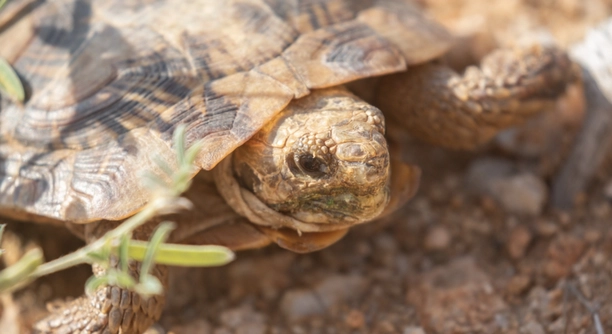
Is your pancake tortoise starting to show signs of slowing down or behaving differently as it ages? Aging in pancake tortoises is a natural process that brings noticeable physical and behavioral changes over time. Recognizing these signs early helps ensure proper care and support for your pet.
Common signs of aging in pancake tortoises include reduced activity levels, changes in appetite, shell texture alterations, and slower response times. Providing a balanced diet, maintaining proper enclosure conditions, and scheduling regular veterinary checkups are essential for their long-term well-being.
Learning how to adapt your care routine can make a significant difference in your tortoise’s comfort and quality of life.
Physical Signs of Aging in Pancake Tortoises
As pancake tortoises age, their bodies begin to reflect the passage of time through noticeable physical changes. One of the first signs is a gradual dulling of the shell’s color, accompanied by rougher texture and minor scarring. Older tortoises may also show slight deformities or wear on the edges of their shells. You might notice their limbs becoming thinner due to muscle loss, which is common as their activity level decreases. Their eyes may appear less vibrant, and in some cases, they can develop cloudy or sunken eyes. Skin can become drier, with flakiness more apparent around the neck and legs. These changes are not always alarming but should be monitored to distinguish between normal aging and potential health concerns. Ensuring they remain hydrated and providing a proper diet can help slow down some of these physical signs while supporting overall well-being.
Observing your tortoise regularly helps you catch changes early and address them effectively.
Providing supportive care tailored to their needs during this stage makes a significant difference in their quality of life.
Behavioral Changes to Watch For
As pancake tortoises grow older, behavioral shifts often become noticeable. They may spend more time resting and less time exploring their environment. Eating habits can change, with some individuals eating less or showing pickiness with food.
Reduced activity doesn’t always signal a problem but should be monitored closely. Older tortoises might bask more frequently, seeking warmth to ease stiff joints or slowed metabolism. Gentle handling becomes increasingly important, as they can become more sensitive to stress. Offering familiar environments helps them feel secure, while minimizing sudden changes supports emotional comfort. In some cases, you may notice slower reactions to stimuli or reduced curiosity. Regular veterinary checkups can help differentiate between typical aging behaviors and underlying health issues requiring attention. Making small adjustments to their enclosure, like providing easy access to food and water, ensures they stay comfortable without unnecessary strain.
Dietary Adjustments for Aging Pancake Tortoises
Older pancake tortoises often require dietary changes to maintain their health. Providing nutrient-rich greens, calcium supplements, and proper hydration becomes more important as their metabolism slows and nutrient absorption decreases with age.
Focus on offering a variety of leafy greens like collard greens, dandelion greens, and turnip greens, ensuring they receive essential vitamins and minerals. Limit foods high in oxalates, as they can interfere with calcium absorption. Calcium powder with vitamin D3 can support bone health, especially since older tortoises are more prone to shell and bone issues. Fresh water should be available at all times to prevent dehydration, which can worsen with age. Soaking them in shallow, lukewarm water weekly helps maintain hydration levels. Monitor their appetite closely; a significant decrease may indicate underlying health problems requiring veterinary attention. Adjusting food texture by chopping greens finely can encourage consistent eating habits.
Consistency in feeding times can also provide comfort and reduce stress. Offering food during their most active times of day increases the likelihood of them eating well.
Environmental Considerations for Senior Tortoises
Older pancake tortoises benefit from an environment tailored to their changing needs. Softer substrates, stable temperatures, and accessible basking spots reduce physical strain and promote comfort.
Temperature regulation becomes essential as senior tortoises may struggle with thermoregulation. Maintain basking spots at around 95°F and ambient temperatures between 75°F and 85°F to support metabolism. Provide gentle ramps or flat basking areas to accommodate weaker limbs. Soft substrates like organic soil or coconut coir cushion their bodies, reducing the risk of pressure sores. Reduce enclosure clutter to prevent accidental bumps or injuries, and ensure food and water dishes are easily accessible without requiring excessive climbing. Lighting should replicate natural cycles, with UVB exposure helping maintain vitamin D3 levels essential for calcium absorption.
Frequent cleaning, gentle handling, and minimizing environmental changes reduce stress while supporting overall well-being. Keeping a consistent routine provides comfort, especially during their senior years.
Common Health Issues in Aging Pancake Tortoises
Respiratory infections are common in older pancake tortoises, often caused by poor enclosure conditions or sudden temperature changes. Symptoms include wheezing, nasal discharge, and lethargy. Prompt veterinary care and maintaining consistent humidity and temperature levels help prevent and manage these issues effectively.
Shell problems, like softening or abnormal growth, may arise due to calcium deficiencies or age-related changes. Regular calcium supplementation and proper UVB lighting support shell health. Monitor for unusual spots or cracks, as they can indicate infections requiring immediate attention. Consistent care can prevent many age-related complications.
Importance of Regular Veterinary Checkups
Routine veterinary visits are essential for monitoring your aging pancake tortoise’s health. Annual exams help detect early signs of illness, allowing timely interventions. Vets can assess weight changes, organ function, and overall condition, guiding adjustments to diet, environment, or medical treatments. Blood tests and fecal exams can identify internal issues that aren’t always visible.
Adjusting Activity Levels Safely
Gentle stimulation through slow-paced exploration encourages movement without causing fatigue. Provide safe, obstacle-free areas to prevent falls while promoting light exercise.
FAQ
What are the signs that my pancake tortoise is aging?
As your pancake tortoise ages, you’ll notice a decline in energy levels, with less exploration and more resting. Their shell may show wear, becoming rougher or slightly misshapen, and their appetite could decrease. Their skin may also become drier, and their eyes might lose some of their brightness. These are normal signs of aging, but it’s important to observe them closely and make adjustments to their care as needed. Regular checkups with a vet will help catch any health issues early.
How can I make my aging pancake tortoise more comfortable?
Adjusting their environment is crucial to ensure comfort. Soft substrates like coconut coir or organic soil reduce stress on their limbs. Ensure the basking area is easily accessible, and avoid making them climb or reach for food or water. Maintain consistent temperatures and humidity levels to avoid any discomfort. Adding gentle lighting helps simulate natural cycles, promoting better sleep and activity levels. Finally, providing extra soaking opportunities will ensure they stay hydrated.
Do older pancake tortoises need a different diet?
Yes, aging tortoises may require dietary adjustments to maintain their health. Offering nutrient-dense greens like collard greens, dandelion leaves, and turnip greens is essential. You may need to provide calcium supplements to support their bones and shell. Their digestion slows down with age, so adjusting food texture or chopping it up might make eating easier for them. Reducing high-oxalate foods will help ensure proper calcium absorption. Keep an eye on their water intake and ensure they stay hydrated, as older tortoises are more prone to dehydration.
Can my pancake tortoise still breed as it gets older?
Breeding in older tortoises becomes less likely. Their reproductive system slows down with age, and they may become less interested in mating. Additionally, breeding can put extra strain on their health, particularly in females. If your tortoise is older and you’re considering breeding, consult with a vet to evaluate their overall health and reproductive status. It’s important to prioritize their well-being over breeding opportunities.
How can I tell if my pancake tortoise is sick?
Signs of illness include reduced appetite, lethargy, abnormal breathing (wheezing or nasal discharge), and changes in behavior. If your tortoise stops eating or drinking, has cloudy or sunken eyes, or displays uncharacteristic aggression or withdrawal, it’s time to visit the vet. Abnormalities in the shell, such as soft spots or cracks, also signal potential health issues. Early detection of illnesses leads to more effective treatments, so if you’re concerned, don’t wait for symptoms to worsen.
What temperature should I keep my aging pancake tortoise’s enclosure?
Older tortoises require a consistent temperature to thrive. Their basking area should be kept around 95°F, while the rest of the enclosure should range from 75°F to 85°F. Maintaining a stable temperature range is essential for their metabolism and digestion. Make sure there’s no drastic fluctuation in temperature, as older tortoises may struggle to regulate their body heat effectively. Use reliable thermometers to monitor both basking and ambient temperatures.
Is UVB lighting necessary for my aging pancake tortoise?
Yes, UVB lighting is essential for aging pancake tortoises. UVB helps them synthesize vitamin D3, which is crucial for calcium absorption and overall health. As tortoises age, their ability to process calcium diminishes, making UVB exposure even more important. Ensure the lighting is set up properly, with a good-quality UVB bulb, and replace it regularly as it loses effectiveness over time. Tortoises need 12-14 hours of UVB exposure per day, and it’s essential to position the bulb at the right distance to ensure they benefit from it.
How can I help my aging pancake tortoise stay active?
Encouraging gentle movement is key to keeping your older tortoise active. Provide flat surfaces and obstacle-free spaces to allow for easy walking. Avoid making them climb, as this could cause stress or injury. Allowing them to explore smaller areas regularly can help keep their muscles engaged. Light basking time also encourages them to move, as they’ll naturally seek warmth when needed. Limit the amount of time they spend in confined spaces, as this can lead to stiffness and muscle atrophy.
Should I change the substrate for my aging pancake tortoise?
Yes, it’s a good idea to consider a softer substrate as your tortoise ages. Older tortoises may develop joint problems, so providing a softer substrate like coconut coir or organic soil can help cushion their limbs and reduce stress. Harder substrates, such as sand or gravel, may become uncomfortable for them. Additionally, the substrate should be kept clean and dry to prevent the growth of bacteria that can lead to infections.
Can I handle my aging pancake tortoise?
Handling your aging pancake tortoise requires extra care. Older tortoises may be more fragile, and handling them too roughly can cause stress or injury. Limit handling to short, gentle sessions and always support their body properly. Avoid lifting them by the shell, as this can cause pain or harm to their internal organs. Always wash your hands before and after handling to prevent the spread of any bacteria. Keep their environment as stress-free as possible, minimizing loud noises and sudden movements.
What should I do if my aging pancake tortoise has trouble eating?
If your older tortoise is having trouble eating, consider adjusting their diet. Some tortoises may become picky eaters with age, so try offering different food textures or smaller pieces of food. Ensure their food is fresh and clean. You may also want to check their teeth and mouth for any issues that might make eating difficult. If eating problems persist, consult a veterinarian to rule out any underlying health issues such as dental problems, parasites, or infections.
Final Thoughts
Caring for an aging pancake tortoise requires attention and adaptability. As they grow older, their needs change, and it’s essential to adjust their environment and diet accordingly. Watching for signs of aging, such as reduced activity, changes in their shell, and lessened appetite, can help you provide better care. By making small adjustments to their daily routine, like offering softer food or changing the substrate in their enclosure, you can keep them comfortable as they age. Regular checkups with a vet will ensure that any health issues are caught early and treated promptly.
It’s important to remember that aging tortoises may become more sensitive to temperature changes and may need extra warmth and hydration. Ensuring their basking area is appropriately set up with the right temperature and UVB lighting can help keep them healthy. Reducing the risk of injury by providing an obstacle-free environment for easier movement is also crucial. As they age, tortoises may need more frequent soaking and may have reduced energy levels, so it’s essential to offer a calm, stress-free space for them to relax. Paying attention to their behavior and health is key to making sure they stay comfortable in their later years.
Ultimately, an aging pancake tortoise can still live a fulfilling life with the right care and attention. Adjusting their environment to suit their changing needs can make a big difference in their quality of life. Whether it’s making their enclosure more accessible, adjusting their diet, or monitoring their health closely, small efforts can ensure that your tortoise enjoys its later years with comfort and ease. Taking the time to understand and address the changes that come with age will help you provide the best possible care for your pancake tortoise.

Hello,
If you enjoy the content that we create, please consider saying a "Thank You!" by leaving a tip.
Every little bit helps us continue crafting quality advice that supports the health, happiness, and well-being of pets around the world, for pets of all shapes, sizes, and species.
We really appreciate the kindness and support that you show us!