
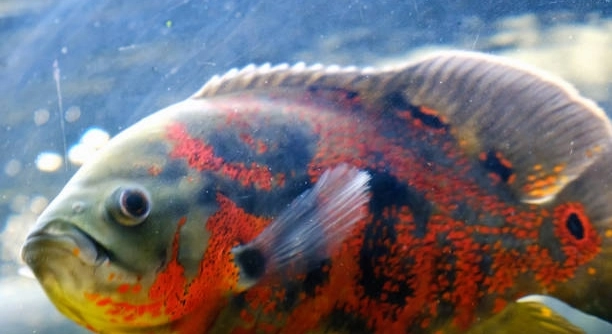
Oscar fish are known for their unique behaviors. If you’re noticing unusual actions, your fish might be trying to communicate. Understanding these signs can help you build a stronger bond with your pet.
Oscar fish exhibit a range of behaviors to communicate their needs, emotions, and physical conditions. These behaviors, such as changes in swimming patterns or interactions with tank mates, can indicate stress, hunger, or even contentment.
Recognizing these signs can help you address your Oscar’s needs and improve its well-being in the tank.
The Oscar’s Aggressive Behavior
Oscars are naturally territorial and may become aggressive to defend their space. This can be observed when they chase or nip at other tank mates. Often, this aggression is triggered by overcrowding or the presence of unfamiliar fish. It’s essential to provide them with enough space to reduce stress and avoid conflicts. Monitoring tank interactions can help identify if the aggression is excessive or if it’s a normal behavior. A solitary Oscar may display less aggression compared to one housed with multiple fish. Ensuring a balanced environment is key to managing aggression.
Sometimes, aggression can be due to food competition. Oscars may fight over food, especially when there isn’t enough to go around. Providing enough food for all tank mates can help reduce this behavior.
Addressing aggression requires understanding the underlying causes, like inadequate space or insufficient food. Creating a peaceful environment is essential to keeping your Oscar healthy and reducing aggression towards other fish.
Oscar’s Hiding Behavior
Oscars may hide for several reasons, including stress, discomfort, or illness. If your Oscar frequently hides behind rocks or plants, it may be reacting to changes in its environment or health issues. Monitoring its behavior and tank conditions will give you a better understanding of the cause.
Hiding is a common response to feeling threatened. If new fish are introduced or the water quality deteriorates, Oscars may retreat to a safe spot. This helps them feel secure and less stressed.
Oscar’s Constant Swimming
Oscars tend to swim around constantly, especially when they feel unsettled. This behavior often occurs when they’re bored, stressed, or trying to find food. Providing stimulation in the tank, such as plants or decorations, can help reduce this repetitive movement. Ensure the water quality is maintained and that the environment is peaceful.
If your Oscar exhibits constant swimming, it’s important to consider the tank’s size and whether they have enough space. Overcrowding can exacerbate stress and lead to this behavior. Providing a spacious environment with hiding spots can encourage more natural behavior.
Sometimes, excessive swimming is linked to poor water quality. Test the water regularly for ammonia, nitrate, and pH levels. Poor water conditions can stress your Oscar, prompting this repetitive swimming. Maintaining stable water quality is essential for a calm and healthy fish.
Oscar’s Sudden Flashing Behavior
Flashing is when an Oscar rubs against surfaces in the tank, often a sign of irritation or discomfort. This could be caused by parasites or an injury. If you notice your Oscar flashing, it’s important to check the water for any irritants or contaminants.
The flashing behavior could indicate a skin condition, such as a parasite or infection, which can irritate your Oscar’s skin. If this continues, a proper treatment regimen may be required. Ensuring your tank is clean and free of toxins will help prevent such occurrences.
Oscar’s Eating Habits
If your Oscar is refusing food, it could signal stress, illness, or poor water conditions. Oscars are known to be heavy feeders, so a sudden lack of appetite may require investigation. Monitor their eating patterns closely.
In some cases, they might become picky eaters due to the type of food offered. If the water quality isn’t optimal, your Oscar may lose interest in food. Consistent feeding schedules and high-quality food are key to keeping your Oscar healthy and engaged.
Oscar’s Darkened Color
Oscars may darken in color when they are stressed, sick, or feel threatened. This change can also occur due to environmental changes like temperature fluctuations or poor water quality. Keep a close eye on their behavior and surroundings.
A sudden color change should be addressed quickly. Ensure your Oscar’s water conditions are stable, with the correct temperature, pH, and cleanliness. Stress from overcrowding or changes in tank mates can also cause this darkening. Addressing these factors will help your Oscar return to its normal vibrant colors.
Oscar’s Bloating
Bloating in an Oscar can indicate a number of issues, from overeating to internal parasites. If your Oscar appears swollen or lethargic, it could be a sign of a digestive issue or infection. Check for changes in their behavior and eating habits.
Bloating is sometimes caused by constipation or eating too much. If this happens, try adjusting their feeding schedule or offering different foods. If bloating persists, it’s best to consult a vet to rule out other causes, such as parasites or organ issues.
FAQ
Why is my Oscar fish hiding all the time?
Hiding is a common behavior in Oscars, often caused by stress, illness, or changes in the environment. If your Oscar is suddenly hiding more than usual, check for any water quality issues, as poor water conditions can make them feel insecure. Adding plants or decorations can also help them feel more comfortable. Stress from new tank mates or a recent tank move can also lead to hiding. Give your Oscar some time to adjust, but if the behavior continues, consider checking for illness or parasites.
How do I know if my Oscar fish is sick?
If your Oscar is displaying unusual behavior such as loss of appetite, lethargy, abnormal swimming patterns, or changes in appearance like cloudiness in the eyes or skin lesions, it may be sick. Check the water quality, as poor conditions can lead to health problems. Pay attention to any abnormal flashing, bloating, or discoloration, as these are common signs of illness. If symptoms persist, it’s best to consult a vet who specializes in fish or look into treatments for specific conditions.
What should I feed my Oscar fish?
Oscars are carnivores, so their diet should primarily consist of protein-rich foods such as pellets, live or frozen fish, shrimp, and worms. High-quality pellet food formulated for Oscars is an excellent staple. Supplementing their diet with occasional treats like earthworms, crickets, or small fish can help diversify their nutrition. Avoid feeding them too much at once to prevent overfeeding and water quality issues. Providing a balanced diet is essential for keeping your Oscar healthy and active.
How often should I feed my Oscar fish?
Feed your Oscar once or twice a day, but be careful not to overfeed. Oscars tend to eat quickly and might act like they are still hungry even after consuming enough food. Overfeeding can lead to water quality issues, as uneaten food can decay and cause harmful toxins. Remove any uneaten food after 5-10 minutes to keep the tank clean. Adjust feeding based on the age and size of your Oscar. Younger Oscars may need more frequent feedings.
Why is my Oscar fish turning dark?
Oscars can darken in color due to stress, illness, or changes in water conditions. Stress factors can include overcrowding, incompatible tank mates, or a sudden change in their environment. Poor water quality, especially changes in temperature or pH, can also cause your Oscar to darken. If the color change is accompanied by other symptoms like lethargy or abnormal behavior, it’s important to check the water and ensure proper tank conditions. A healthy environment should encourage your Oscar to regain its vibrant colors.
How can I stop my Oscar from being aggressive?
Aggression in Oscars is often a result of territorial instincts or stress. Ensure your Oscar has enough space in the tank to reduce territorial behavior. Avoid overcrowding and provide hiding spots to help reduce stress. If aggression is directed towards other tank mates, ensure that tank mates are compatible in size and temperament. Sometimes, simply rearranging the decorations or changing the tank setup can reduce aggression. If aggression persists, consider providing a more solitary environment for your Oscar.
How can I tell if my Oscar is pregnant?
Female Oscars can lay eggs, but it’s not always easy to tell if they are pregnant. In some cases, the female may exhibit a slightly rounder abdomen when they are carrying eggs. However, Oscar fish typically lay eggs regardless of whether there is a male present to fertilize them. If you see them preparing a nesting site, such as clearing an area of the substrate or hiding behind objects, it may be an indication that they are ready to breed. Keep an eye on their behavior, as they may become more territorial during this time.
What size tank do I need for an Oscar fish?
Oscar fish grow to a significant size, often reaching 12-14 inches in length, so they need a spacious tank to thrive. A 55-gallon tank is the minimum recommended size for one Oscar, but a 75-gallon or larger tank is ideal, especially if you plan to keep multiple Oscars or other large fish. The tank should have plenty of open swimming space and areas to hide, as Oscars are territorial creatures. The larger the tank, the more stable the water conditions, which is critical for their health.
How do I keep my Oscar fish healthy?
Maintaining good water quality is the key to keeping your Oscar healthy. Regularly test the water for ammonia, nitrate, and pH levels, and make sure the temperature is between 74°F and 81°F. Perform regular water changes, at least 25-30% weekly, to ensure clean and stable water conditions. Provide a balanced diet, avoid overcrowding, and reduce stress factors by keeping tank mates compatible and offering hiding places. Keeping your tank clean, with proper filtration, is crucial to maintaining the health and well-being of your Oscar.
Final Thoughts
Caring for an Oscar fish requires attention to detail and an understanding of their specific needs. As a carnivorous species, they thrive in an environment that supports their natural behaviors and dietary habits. Ensuring that the tank is large enough, with proper filtration and regular water changes, is essential for maintaining their health. A clean and well-maintained environment will help prevent stress and illness, which can lead to many of the behaviors discussed earlier, such as hiding, aggression, or changes in appearance. Providing an appropriate diet, consisting of protein-rich foods, and avoiding overfeeding will also ensure your Oscar remains healthy and active. Regular monitoring of their behavior, eating habits, and any signs of illness will allow for early intervention and better overall care.
Creating a balanced tank environment is key to reducing stress and preventing health issues. Stress can manifest in many ways, from aggressive behavior to changes in color. Maintaining stable water conditions, offering hiding spots, and ensuring that tank mates are compatible are all factors that contribute to a more comfortable living space for your Oscar. Oscars are territorial creatures and may not do well in overcrowded tanks or with fish that are too small or too large. If you notice signs of aggression or changes in behavior, it’s important to address them promptly to prevent further stress or injury to your fish. Keeping a consistent routine for feeding and cleaning can also reduce stress and improve the overall quality of life for your Oscar.
Ultimately, observing and understanding your Oscar’s behavior is crucial in providing the best care. Each fish is unique, and their needs can change over time. Regularly checking water parameters, adjusting their diet, and being mindful of their behavioral patterns will help you address potential issues before they become serious. By staying proactive and attentive to their needs, your Oscar can live a long, healthy life. Though Oscars can be a bit demanding, they make rewarding pets for those who are committed to providing the proper care. With patience and attention, your Oscar will thrive and continue to be an interesting and engaging companion in your home aquarium.

Hello,
If you enjoy the content that we create, please consider saying a "Thank You!" by leaving a tip.
Every little bit helps us continue crafting quality advice that supports the health, happiness, and well-being of pets around the world, for pets of all shapes, sizes, and species.
We really appreciate the kindness and support that you show us!