
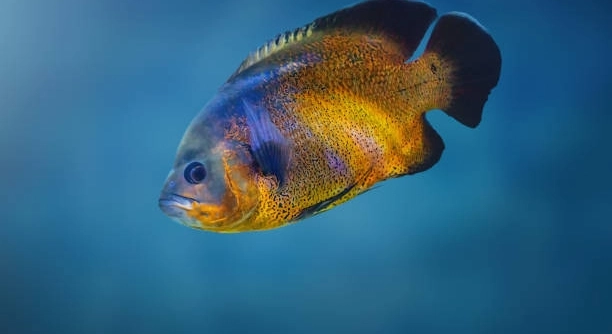
Do you ever find yourself noticing your Oscar fish guarding a specific area in its tank? It’s a common behavior, and there are several signs that can help you recognize it.
Oscars often guard a favorite spot in their tank due to territorial instincts, breeding behavior, or environmental preferences. This guarding may indicate that the fish feels secure in the area or wants to protect it from perceived threats.
Understanding these signs can help you provide a better environment for your Oscar fish. The following details will offer insight into why this behavior occurs and how to manage it effectively.
The Oscar’s Territory
Oscars are known for being territorial. In the wild, they establish and defend a territory, and this behavior often continues in captivity. When an Oscar starts to guard a particular spot, it may be claiming that area as its personal space. You’ll notice the fish becoming more protective, especially around their chosen space. It’s not uncommon to see them chase other fish away if they get too close. If your Oscar is guarding an area, it may be because they feel it’s a safe and comfortable place for them.
Fish like Oscars can get possessive, and they may even make a nest in a specific corner or spot. In captivity, this spot could be near rocks, plants, or even a decoration. Oscars like to feel secure in their environment, and by guarding a place, they ensure their safety. It’s important to understand that this is a natural instinct, but it can sometimes cause problems with tank mates.
If you notice your Oscar becoming particularly aggressive or territorial, it might be best to adjust the layout of the tank. Consider adding more hiding spots or rearranging the decor to help reduce aggression and allow for peaceful cohabitation with other fish.
Signs of Breeding Behavior
Sometimes, an Oscar’s desire to guard a spot can stem from breeding instincts. Oscars are known to lay eggs on flat surfaces, like rocks or the sides of tanks. If your Oscar has begun guarding a specific spot more intensely, it could be a sign that it’s preparing to breed.
During the breeding period, Oscars can become more protective and territorial. The female may lay eggs, and the male will guard them fiercely. This behavior is natural, but it can cause tension in your tank, especially if there are other fish nearby. It’s also important to note that Oscars can sometimes attack other tank mates if they feel their eggs or space are threatened. If you’re observing this behavior, it’s helpful to monitor the tank closely to avoid any unnecessary stress for all the fish.
To prevent aggression during this time, you may want to create more hiding spots for other fish to avoid being in the Oscar’s line of sight. Ensuring that the fish feel safe in their environment can help reduce territorial disputes.
Creating a Comfortable Environment
When an Oscar guards a spot, it’s often because they feel safe there. Ensuring the tank environment is comfortable can reduce the need for this behavior. Make sure your tank has enough space for your Oscar to swim freely and add plants, rocks, or decorations that allow the fish to explore and settle into various areas.
If the Oscar has no other areas to claim as its own, it will likely fixate on one spot. A well-maintained tank with proper filtration, clean water, and enough hiding spaces can help ease their territorial instincts. Consider adding rocks, driftwood, or plants to diversify the tank layout. This provides your Oscar with multiple choices for areas to call home and helps to keep other fish safe from any aggressive behavior.
Oscars also feel more secure when their environment has consistent water temperature and quality. Keep the water clean and avoid making drastic changes. They are creatures of habit and tend to thrive in stable, predictable environments. Providing this stability can help reduce territorial guarding behaviors and promote a more peaceful aquarium.
Dealing with Aggression
If your Oscar becomes overly aggressive in guarding a spot, it’s a sign that stress might be playing a role. Oscars are known to become defensive when they feel threatened, either by tank mates or changes in their environment. Aggression can also increase if the Oscar is not given enough stimulation or space.
In situations like this, it may be necessary to give the Oscar some time alone or rearrange the tank. Reducing the number of fish or adding more hiding spaces could alleviate some of the pressure. If aggression continues, consider separating the Oscar from more vulnerable fish, particularly smaller or peaceful species.
Sometimes, aggression is a sign of boredom or discomfort. Offering different enrichment items like caves, plants, or even tank mates that can handle the Oscar’s temperament could help. Keep an eye on the fish’s behavior and adjust the tank environment to address their needs. The goal is to create a peaceful space for all the inhabitants, including the Oscar.
Providing Enough Space
Space is crucial for any Oscar, especially when they start guarding a specific area. If the tank is too small, the Oscar may become territorial and overly protective of the limited space. Ensure the tank is large enough for the Oscar to swim and explore freely.
A tank of at least 55 gallons is recommended for a single Oscar. If possible, increase the size to accommodate their natural behavior. Larger tanks give Oscars the room they need to feel comfortable and less inclined to guard a single spot. The extra space can also help reduce aggression towards other fish.
By giving your Oscar plenty of room, you allow it to choose a more balanced territory without feeling threatened by tank mates or its environment. This can lead to a more relaxed fish, which helps prevent excessive guarding.
Tank Mates and Compatibility
When selecting tank mates for your Oscar, it’s important to choose species that can handle its assertive nature. Avoid pairing them with small or overly peaceful fish, as they are likely to become targets of aggression. Instead, consider larger, more robust species.
Tank mates like larger cichlids or other fish that share similar temperament can help prevent territorial disputes. It’s also essential to observe the interactions between the Oscar and its tank mates regularly. If aggression becomes a problem, reassess the tank’s fish lineup. Keeping compatible species together will help maintain peace and harmony in the tank.
Observation of Behavior
Observing your Oscar’s behavior can give you important clues about what it needs. If you notice constant guarding of a particular spot, it may be stressed or uncomfortable. Regular observation will help you spot potential issues before they escalate.
By paying attention to the Oscar’s actions, such as chasing or aggression towards other fish, you can determine whether the guarding behavior is out of the ordinary. Addressing these behaviors early on will help you maintain a more peaceful and healthy tank environment for all the fish.
FAQ
Why is my Oscar guarding a specific spot in the tank?
Oscars are territorial fish. If your Oscar is guarding a spot, it could be because they feel safe there, or it could be due to breeding behavior. They may claim a space in the tank as their own to establish control over their environment. This behavior is natural, especially in a secure, stable tank. Oscars may guard spots near plants, decorations, or even corners where they feel they can hide or observe the surroundings. Keeping the tank environment consistent will help them feel more secure and may reduce this behavior over time.
How can I stop my Oscar from being so aggressive?
Aggression in Oscars often comes from feeling threatened, stressed, or territorial. To reduce aggression, make sure your tank is large enough to provide space for your Oscar to swim and explore. Adding hiding spots, plants, and decorations can help your Oscar feel more secure, making it less likely to be aggressive. If aggression is towards other fish, consider removing smaller or more peaceful tank mates. You may also try rearranging the tank decor to disrupt the Oscar’s territorial behavior, providing the fish with new space to claim.
Can I keep multiple Oscars together in the same tank?
While it’s possible to keep multiple Oscars together, it’s not always recommended. Oscars are highly territorial, and keeping more than one in the same tank can lead to aggression. If you decide to keep multiple Oscars, make sure the tank is large enough (at least 100 gallons) to give them enough space. Even then, be prepared for potential conflicts. Male Oscars may be more aggressive, especially when they are trying to claim territory or during breeding periods. It’s important to monitor their interactions closely.
Do Oscars need tank mates, or can they live alone?
Oscars can live alone and often prefer it. They are solitary fish, and many Oscar owners choose to keep just one per tank. Oscars are known to be aggressive, especially when they are guarding a space or breeding. While they can live with other fish, choosing the right tank mates is crucial. If you plan to keep other fish with your Oscar, select species that can tolerate the Oscar’s temperament. Larger, hardy fish like certain cichlids or catfish may coexist better with an Oscar than smaller or more peaceful species.
How do I know if my Oscar is stressed?
Oscars can show signs of stress through changes in behavior and physical appearance. Common signs of stress include hiding, refusing to eat, excessive swimming, or swimming erratically. If your Oscar is constantly guarding one spot or appears aggressive, it could be a sign of stress. You may also notice fading colors, rapid gill movement, or signs of injury if stress leads to fights with tank mates. Make sure to check water parameters regularly, as poor water quality can be a major cause of stress for Oscars.
What kind of tank setup does my Oscar need?
An Oscar needs a well-maintained tank with enough space to swim freely. A minimum tank size of 55 gallons is recommended for a single Oscar, but larger tanks are preferable. They enjoy having hiding spots, so include rocks, plants, or driftwood in the tank. A tank with a secure lid is important, as Oscars are known to jump out if they feel threatened. Filtration should be strong, as Oscars produce a lot of waste, which can affect water quality. Keep the water clean and ensure it is properly heated to the correct temperature, between 74°F and 81°F.
Why is my Oscar not eating?
If your Oscar is not eating, it could be due to stress, poor water quality, or health issues. Stress from territorial behavior or changes in the environment can cause an Oscar to stop eating. Check the water temperature and quality to ensure it is optimal. Sometimes, Oscars refuse food if they are feeling unwell or if they are not getting the right type of food. Make sure to offer a varied diet that includes both protein and vegetable-based foods. If the behavior persists, consider consulting an aquarium professional.
Can Oscars live with other species of fish?
Yes, but with caution. Oscars are aggressive fish, especially when it comes to defending their space. When choosing tank mates, opt for larger, more robust species that can handle the Oscar’s temperament. Avoid small or peaceful fish, as they are likely to become targets. Larger cichlids, catfish, and certain species of plecos tend to get along better with Oscars. It’s important to monitor interactions closely and be ready to separate fish if any aggression becomes excessive. Creating plenty of hiding spaces and providing plenty of room for all the fish can help reduce territorial conflicts.
How often should I feed my Oscar?
Oscars are hearty eaters, but overfeeding can lead to health problems like obesity. It’s best to feed your Oscar once or twice a day, giving them only as much food as they can consume in a few minutes. Make sure to provide a balanced diet that includes pellets, live or frozen foods like shrimp, and occasional vegetables. Offering a varied diet will keep your Oscar healthy and engaged. Remove any uneaten food from the tank to prevent water quality issues.
Is my Oscar sick, or is it just being territorial?
Oscars can sometimes exhibit similar behaviors when they are sick or simply being territorial. If your Oscar is swimming erratically, hiding excessively, or not eating, it could be a sign of illness. However, if the fish is simply guarding a particular spot, this is likely normal territorial behavior. It’s important to watch for additional symptoms like faded color, bloated body, or signs of parasites to determine if it’s a health issue. If you’re unsure, it’s always a good idea to consult a veterinarian or aquarium expert.
Final Thoughts
Oscar fish are fascinating creatures that display unique behaviors, especially when it comes to guarding a favorite spot in their tank. This territorial instinct is natural for them and often occurs when they feel comfortable and secure in their environment. Whether it’s due to a need for space, breeding behavior, or simply a place they feel safe, the Oscar’s guarding of a specific spot is something many fish owners encounter. Understanding this behavior can help you provide a better environment for your Oscar, reducing stress and potential aggression.
It’s important to remember that every Oscar is different, and their behavior can vary depending on factors like tank setup, water quality, and tank mates. Providing enough space and hiding spots, along with a consistent tank environment, can go a long way in reducing territorial behavior. If you find that your Oscar is becoming too aggressive or fixated on a specific spot, it may be time to rearrange the tank or consider different tank mates. Offering a balanced environment, both physically and socially, can help your Oscar feel secure without resorting to overly aggressive or defensive actions.
In the end, understanding your Oscar’s behavior is key to maintaining a healthy and peaceful tank. By observing your fish and adjusting the environment as needed, you can ensure that your Oscar stays happy and stress-free. While guarding a favorite spot is a common behavior, it doesn’t have to cause problems in the tank. With proper care, your Oscar will thrive, and you’ll enjoy watching it display its natural behaviors in a balanced and comfortable environment.

Hello,
If you enjoy the content that we create, please consider saying a "Thank You!" by leaving a tip.
Every little bit helps us continue crafting quality advice that supports the health, happiness, and well-being of pets around the world, for pets of all shapes, sizes, and species.
We really appreciate the kindness and support that you show us!