
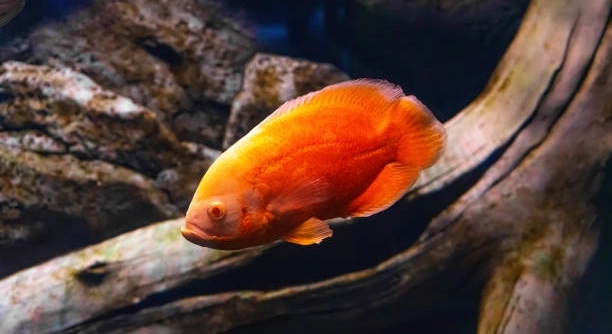
Oscar fish are fascinating creatures, but they require a proper environment to thrive. One of the most common mistakes aquarium owners make is overcrowding their tanks. Knowing when your Oscar fish tank is too full is essential for their well-being.
Overcrowding occurs when there are too many fish in the tank, leading to poor water quality, stress, and health issues. Signs such as aggression, lack of space, and frequent filter maintenance can indicate that your tank is overcrowded.
Proper tank management is key to ensuring your Oscar fish remain happy and healthy. By recognizing the signs of overcrowding early, you can create a better environment for your fish to thrive.
Too Many Fish Can Stress Your Oscar Fish
Oscar fish are large, active fish that require a lot of space. When the tank is overcrowded, it can create stress for the fish. Stress weakens their immune system, making them more prone to disease. Overcrowding forces the fish to compete for territory, food, and oxygen. In a cramped space, Oscars may also exhibit aggressive behaviors toward each other. This can lead to injuries and fights.
Additionally, overcrowding can cause the water quality to drop quickly. With too many fish in the tank, the filter may not be able to keep up with the waste produced. Poor water conditions, such as high ammonia levels, can further stress the fish and increase the risk of disease.
Keeping the tank clean and providing ample space for each fish to swim comfortably is essential. Regular maintenance, such as water changes and checking filter performance, can help reduce the negative effects of overcrowding. The tank size should match the number of fish you keep to ensure a healthy environment.
Signs of Overcrowding in Your Oscar Tank
Oscar fish need plenty of space to swim and feel secure. When there are too many fish in the tank, they may start acting out of character.
Fish will often display aggressive behavior when they’re crowded. Oscars might chase or nip at each other more often. Additionally, they may become less active, staying in one area instead of swimming freely. The tank will also require more frequent cleanings due to the increased waste. As the oxygen levels drop, fish may be seen struggling to swim or staying near the surface for air.
To avoid overcrowding, it’s important to stick to the recommended number of Oscars per tank size. A standard 55-gallon tank can comfortably house a single Oscar. As they grow, they need more room, so upgrading to a larger tank may be necessary.
Poor Water Quality from Overcrowding
When too many fish are in your Oscar tank, the water quality will suffer. Fish produce waste that needs to be filtered out, and with more fish, the filter can’t keep up. This can cause an increase in harmful toxins like ammonia and nitrates.
Poor water quality leads to cloudy water, which makes it harder for fish to see and breathe. Over time, these toxins can cause severe health problems for your Oscars, such as fin rot or skin lesions. You’ll notice that your fish may become lethargic or stop eating. Consistent water changes and filter maintenance are crucial to avoid this.
The best way to prevent poor water quality is by not overstocking your tank. If you do have a lot of fish, invest in a more powerful filter and monitor water parameters regularly. Your Oscars need clean water to thrive and stay healthy.
Aggressive Behavior Among Oscars
Oscar fish are known for their territorial nature, and when the tank is overcrowded, they may become more aggressive. With limited space, they’ll compete for territory, leading to fights. This stress can also cause injury to both the fish involved and others in the tank.
Aggressive Oscars will chase, nip, and sometimes even cause harm to tank mates. This behavior is most noticeable during feeding time or when the fish feel threatened. Overcrowding can increase the frequency of aggression, and with little room to retreat, fish can become stressed and unhealthy. It’s not uncommon to see Oscars trying to hide in the corners of the tank or spending more time in one spot to avoid confrontations.
To manage aggression, you need to provide enough space for each Oscar. A larger tank or separating more aggressive fish can help reduce conflict and allow each fish to feel secure in its own space.
Insufficient Oxygen in the Tank
Overcrowding reduces the amount of oxygen available in the tank. The more fish you have, the harder it is for the oxygen levels to stay balanced. This can lead to fish struggling to breathe.
Oscar fish are large and need plenty of oxygen to thrive. When the tank is overcrowded, they may spend more time near the surface gasping for air. Poor oxygen levels can also increase stress and affect their overall health. To avoid this, increase aeration by adding a stronger filter or an air pump to the tank.
Increased Filter Maintenance
When there are too many fish, the filter has to work harder to keep the water clean. This means it will need to be cleaned more often. Regular filter maintenance becomes crucial to ensure the system is working properly.
A filter clogged with waste can fail to keep the water clean, causing harmful toxins to build up. This increases the chances of illness and poor water quality. You may need to upgrade your filtration system to keep up with the demands of a crowded tank. A higher-capacity filter will help improve water conditions.
Stress From Limited Swimming Space
Oscar fish are active swimmers, and overcrowding limits their ability to swim freely. When Oscars don’t have enough space, they may become stressed and lethargic. This can result in a decrease in appetite and overall health.
Limited swimming space also increases the likelihood of aggressive behavior. Oscars might feel threatened and try to assert dominance, causing tension in the tank. Giving each fish room to move around comfortably will reduce stress and promote better health. To help, ensure the tank is large enough to accommodate the number of fish inside.
FAQ
How many Oscar fish can I keep in a 55-gallon tank?
A 55-gallon tank can comfortably house a single adult Oscar fish. These fish can grow large, sometimes reaching up to 12-14 inches. Overcrowding this space with more Oscars can lead to stress, poor water quality, and aggression. If you want to keep more than one Oscar, you should consider a tank size of 75 gallons or more, ensuring each fish has enough space to swim and establish its own territory.
What are the signs that my Oscar tank is overcrowded?
Signs of overcrowding include increased aggression between fish, frequent water changes needed, poor water quality, and fish spending more time near the surface. You might also notice that your Oscars are less active or displaying signs of stress, such as loss of appetite. A crowded tank can also result in fighting over territory and food. Keeping an eye on these behaviors can help you assess if overcrowding is an issue.
Can overcrowding lead to disease in Oscar fish?
Yes, overcrowding can increase the risk of disease. With more fish in the tank, the water quality tends to worsen quickly, leading to higher levels of toxins like ammonia and nitrates. Poor water conditions can weaken the immune system of your Oscars, making them more susceptible to illnesses. Stress from overcrowding also lowers their ability to fight off infections. Regular tank maintenance and proper fish stocking are crucial to keeping your Oscars healthy.
How often should I clean my tank if it’s overcrowded?
If your tank is overcrowded, it will need more frequent cleaning. You should be doing partial water changes at least once a week, sometimes more often depending on the number of fish. Make sure to clean the filter regularly, as it will accumulate more waste. Overcrowded tanks produce more waste, which can lead to poor water quality if not properly maintained. In addition to regular cleaning, check the water parameters often to ensure your fish are in a safe environment.
What’s the best way to improve water quality in an overcrowded tank?
To improve water quality in an overcrowded tank, you should upgrade the filtration system to one that can handle the excess waste. Adding a high-quality filter or even a second one can help keep the water cleaner. Increase aeration to ensure your fish get enough oxygen, especially if the tank has many fish. Frequent water changes are essential to dilute toxins. Additionally, monitor the water parameters (ammonia, nitrites, nitrates, pH) regularly to ensure they are within safe levels.
Is it necessary to separate aggressive Oscars?
Yes, separating aggressive Oscars can be necessary. If your Oscars are constantly fighting, it may be best to either provide more space by upgrading to a larger tank or divide the tank into sections using dividers. Oscars are territorial fish, and in a cramped space, they may become more aggressive. If separating them doesn’t work, you may need to consider rehoming one of the fish to avoid continuous stress and injury.
How do I know if my Oscar is stressed?
Stressed Oscars may exhibit several signs. These include hiding more than usual, not eating, swimming aimlessly or in circles, and showing signs of aggression or fear. They might also scrape against objects in the tank, which is a sign of irritation. Stress can be caused by overcrowding, poor water quality, or other environmental factors. It’s important to observe your fish’s behavior regularly to spot these signs early and address any issues causing stress.
What size tank should I upgrade to if my Oscar is growing fast?
If your Oscar is growing quickly, you should consider upgrading to a larger tank. An adult Oscar needs a tank that is at least 75 gallons, with 100 gallons or more being ideal for a healthy, comfortable environment. As Oscars grow to their full size, they need more swimming space, and a larger tank will also help manage water quality more effectively. Remember, the more fish you have, the bigger the tank you’ll need.
Can Oscars live with other types of fish in a community tank?
While Oscars can live with other fish, it’s important to choose compatible tank mates. Oscars are territorial and may become aggressive toward smaller or slower fish. Fish like cichlids, plecos, and large catfish can sometimes live with Oscars, but it depends on the temperament of both the Oscar and its tank mates. Avoid housing Oscars with small or timid fish, as they may get harassed or eaten.
How can I reduce aggression between Oscars in a shared tank?
To reduce aggression, you need to provide plenty of space for each fish. A larger tank with lots of hiding spots will help reduce territorial disputes. Use decorations and plants to create different territories within the tank. Ensuring each Oscar has enough space will allow them to establish their own area, reducing the likelihood of aggressive behavior. Avoid overcrowding the tank, as this can increase the stress and aggression among the fish.
What are the long-term effects of overcrowding in an Oscar tank?
The long-term effects of overcrowding can be detrimental to your Oscars’ health. Chronic stress, poor water quality, and aggression can weaken their immune system, making them more vulnerable to diseases. Overcrowding can also stunt their growth and lead to fin damage from fighting. To ensure the long-term health of your Oscars, it’s important to manage the tank’s fish population and make adjustments as needed.
Final Thoughts
Overcrowding in an Oscar fish tank can lead to several issues that affect the health and well-being of your fish. Oscar fish are large and active, requiring ample space to swim and establish their own territory. When there are too many fish in a tank, it can cause stress, poor water quality, and even aggression. It’s crucial to regularly assess your tank’s population and make adjustments if necessary. If your tank feels cramped, it may be time to upgrade to a larger one to ensure your Oscars thrive.
Maintaining a clean environment is key to keeping your Oscars healthy. Overcrowded tanks are harder to manage, and without proper filtration, toxins like ammonia and nitrates can build up quickly. These toxins can harm your fish and lead to sickness. Frequent water changes, regular filter maintenance, and proper aeration can help reduce these risks. A larger tank with a more powerful filtration system will also make a big difference in keeping water quality high. Pay attention to your Oscars’ behavior and health to identify problems early, and take the necessary steps to improve their living conditions.
Ultimately, the health of your Oscar fish depends on how well you manage their environment. Regularly check the size of your tank, the number of fish, and the cleanliness of the water. Providing enough space, avoiding overcrowding, and maintaining proper water quality will create a more stable and healthy environment for your fish. If you find that your tank is too crowded, don’t hesitate to make changes, whether that means upgrading to a bigger tank or removing some fish. Taking these steps will ensure your Oscars live a long, healthy life.

Hello,
If you enjoy the content that we create, please consider saying a "Thank You!" by leaving a tip.
Every little bit helps us continue crafting quality advice that supports the health, happiness, and well-being of pets around the world, for pets of all shapes, sizes, and species.
We really appreciate the kindness and support that you show us!