
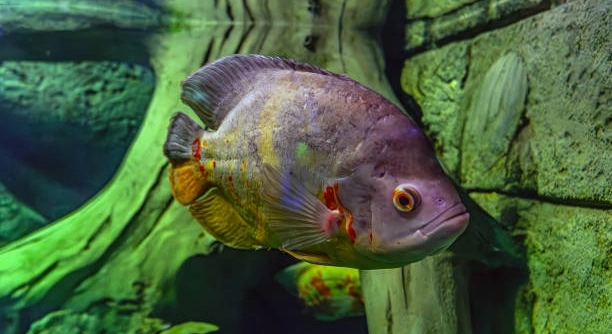
Oscar fish are known for their vibrant personalities and fascinating behaviors. However, when they aren’t stimulated properly, they may show signs of stress. Recognizing these signs can help you provide a healthier and happier environment for your fish.
Oscar fish, like many other intelligent species, require mental stimulation to prevent boredom and stress. Signs of inadequate mental engagement in Oscar fish include erratic behavior, lack of appetite, aggression, and unusual swimming patterns. Providing enrichment can help address these issues.
Understanding the needs of your Oscar fish can lead to better care and more enjoyable experiences. Let’s explore how to identify when your fish needs mental stimulation.
Changes in Swimming Patterns
Oscar fish are active swimmers and often use their space to explore. If you notice your fish staying in one spot for long periods or swimming erratically, it might be a sign of boredom. This change in behavior can also indicate a lack of mental stimulation. Healthy Oscars usually swim in patterns that resemble natural hunting or exploring activities. When deprived of stimulation, they may start pacing along the tank’s edges or float motionlessly.
Fish that do not have enough stimulation may feel stressed or frustrated. Their natural instincts to explore and hunt are not being met. As a result, they may seem less energetic or show odd swimming patterns. Providing them with objects to interact with, such as plants, rocks, or safe decorations, can encourage movement and curiosity. If your Oscar is showing these signs, it’s time to make their environment more engaging.
Mental stimulation can prevent these behaviors and improve your fish’s quality of life. You can create a dynamic environment by changing the tank setup or adding new elements. Regularly switching things up will give your Oscar something fresh to explore, keeping them active and healthy.
Aggressive Behavior
Oscar fish can become aggressive if they are mentally under-stimulated. They may start chasing other tank mates, nipping at fins, or even showing aggression towards their reflection. This behavior stems from frustration.
Providing hiding spots, proper tank mates, and new things to explore will help reduce aggression. Fish need mental engagement just like physical exercise. When their space lacks excitement, aggression can develop as a form of coping.
Loss of Appetite
When your Oscar fish loses interest in food, it may not just be a sign of illness, but also boredom. A lack of mental stimulation can make them disinterested in eating, as they might not feel motivated to hunt or explore.
Oscar fish are known to have hearty appetites, but when deprived of an engaging environment, they may lose interest in their meals. To encourage eating, try varying their diet or offering new types of food to catch their attention. You can also add some enrichment activities like food puzzles to stimulate their minds and get them excited again.
Providing your Oscar with new items to explore and interact with will help them stay engaged. Simple changes like adding live plants, a different tank layout, or moving objects around can give your fish the mental boost it needs to feel more interested in eating. If the issue persists, it may be a sign of a deeper problem that requires professional attention.
Lack of Curiosity
A curious Oscar fish is an active one. When they stop investigating their surroundings, it can be a clear sign that their mental needs are not being met. Boredom can quickly set in if they have nothing to stimulate their senses.
Oscars naturally love to explore and observe their environment. If they start spending long hours in one corner of the tank or stop interacting with their surroundings, it’s important to make changes. Adding tank mates or rearranging the tank layout can bring back their curiosity. New decorations or hiding spots may also spark their interest.
Creating a diverse environment will help prevent your Oscar from feeling bored. Frequent changes to the tank will provide mental challenges and stimulate exploration. If the lack of curiosity continues, it could also affect their overall well-being.
Unusual Behavior Patterns
Oscar fish are usually predictable in their behavior, but when they start showing irregular actions, it’s a sign of mental distress. This might include swimming in circles or constantly bumping into objects.
If your Oscar starts swimming aimlessly or showing other odd behavior, it could be an indication that it lacks stimulation. Such behaviors are often linked to boredom and the need for more enrichment. Consider adding new activities or objects in the tank to provide a fresh challenge.
Tank Overcrowding
Overcrowding can make your Oscar feel cramped and stressed. This discomfort can lead to a lack of interest in anything around them, including food and activities.
If you notice your Oscar acting lethargic or aggressive due to limited space, it’s time to evaluate the tank size. Oscars need room to swim freely and explore their environment. Reducing the number of tank mates can help alleviate stress and provide the mental space they need to thrive.
FAQ
How can I tell if my Oscar fish is bored?
Oscar fish typically show signs of boredom through changes in behavior. If they stop interacting with their tank, swim aimlessly, or stay in one spot for long periods, they may be mentally under-stimulated. A lack of curiosity or interest in food is another indicator. Adding variety to their environment can help keep them engaged.
Can I improve my Oscar’s mental stimulation without changing the tank setup?
Yes, you can provide mental stimulation through small changes and interactive activities. For example, you can offer food in different ways, such as using feeding toys or scattering food around the tank to encourage hunting behavior. You can also try training your Oscar with simple tricks or incorporating floating toys or objects for exploration.
How often should I change my Oscar’s environment to keep it mentally stimulated?
Changing the environment every few weeks or when you notice your Oscar becoming less active can help keep things interesting for them. Simple changes, like rearranging decorations, adding new plants, or introducing different tank mates, can encourage exploration. Over time, small adjustments can keep your Oscar mentally engaged without needing a full tank overhaul.
Can Oscar fish get depressed?
Yes, Oscar fish can experience stress and, in some cases, depression. This can result from various factors, including a lack of stimulation, poor water quality, or improper tank conditions. When an Oscar becomes “depressed,” it may exhibit behaviors like loss of appetite, lethargy, or aggression. Addressing their mental and physical needs is important for their overall well-being.
What are the best enrichment activities for Oscar fish?
Oscar fish enjoy activities that mimic their natural instincts, such as hunting and exploring. Try offering live or frozen foods that require them to “hunt” or scatter food throughout the tank. You can also introduce floating toys, new tank decorations, or moving objects that encourage interaction. Additionally, incorporating safe tank mates or plants can provide stimulation and variety.
How do I prevent my Oscar fish from becoming too aggressive?
Aggression in Oscar fish can often be linked to stress or boredom. To prevent this, ensure that your Oscar’s tank has enough space to swim freely and explore. Adding hiding spots or visual barriers can also help reduce territorial aggression. Proper tank mates and consistent enrichment activities can keep your Oscar calm and mentally stimulated.
Do Oscar fish need company?
Oscar fish are generally solitary creatures and can be quite territorial. However, they may tolerate tank mates under the right conditions. If you’re considering adding other fish, ensure they are large enough not to be seen as prey. Avoid overcrowding the tank, as too many fish can cause stress and aggression. Adding enrichment activities like decorations or plants will provide enough stimulation even without company.
Is it okay to keep Oscar fish with other species?
While Oscar fish can live with other species, it’s important to choose tank mates carefully. Oscars are large and sometimes aggressive, so they may not get along with smaller or more timid fish. Fish like large catfish, cichlids, or plecos can be good companions. Always monitor interactions to avoid bullying or stress.
Why is my Oscar fish always hiding?
If your Oscar is constantly hiding, it could be a sign of stress, boredom, or illness. Stress from overcrowding, poor water quality, or lack of mental stimulation can cause them to seek shelter. To encourage your Oscar to come out more, improve the tank conditions, add hiding spots for security, and introduce new activities or objects to spark interest.
What should I do if my Oscar fish isn’t eating?
Loss of appetite in Oscar fish can be caused by various factors, including poor water quality, stress, or a lack of stimulation. First, check the water parameters to ensure they are ideal for your Oscar. If the water quality is fine, try offering different types of food or feeding in a different way to encourage them. Adding enrichment activities can also help them regain interest in eating.
Final Thoughts
Oscar fish are intelligent creatures that need both physical and mental stimulation to thrive. Without enough mental engagement, they can become bored, stressed, and even exhibit aggressive or unusual behavior. Recognizing the signs of boredom and taking action is important for maintaining their health and happiness. Simple changes, such as rearranging the tank, adding enrichment activities, or offering new foods, can make a big difference in your Oscar’s well-being. By keeping their environment dynamic and interesting, you can ensure they stay active and engaged.
Mental stimulation for Oscar fish goes beyond just providing entertainment. It is also about ensuring they have an environment that mimics their natural instincts, such as hunting and exploring. Even small changes to their tank can lead to noticeable improvements in their behavior. Keeping their tank clean and ensuring proper water quality is also vital, as these factors can influence their overall mood and activity levels. The goal is to create a balanced space where your Oscar can feel secure, stimulated, and content.
In the end, keeping an Oscar fish happy and mentally stimulated requires consistent attention and care. They are not just decorative pets but intelligent beings with needs. With the right environment and stimulation, your Oscar can live a healthier, more fulfilling life. Monitoring their behavior and making adjustments when needed will help prevent problems before they become serious. By understanding and meeting your Oscar’s mental needs, you can enjoy watching them grow, explore, and interact in ways that will keep both of you happy.

Hello,
If you enjoy the content that we create, please consider saying a "Thank You!" by leaving a tip.
Every little bit helps us continue crafting quality advice that supports the health, happiness, and well-being of pets around the world, for pets of all shapes, sizes, and species.
We really appreciate the kindness and support that you show us!