
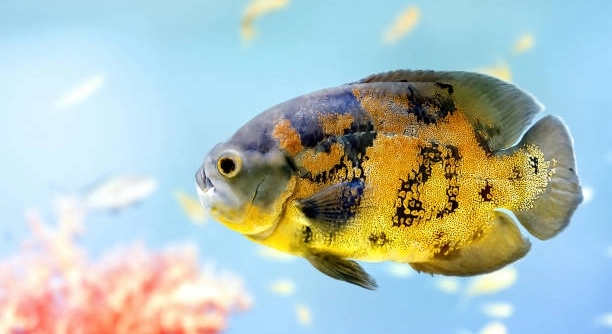
Oscar fish are fascinating creatures, known for their vibrant colors and unique personalities. However, at times, they may need more than just your attention. Understanding their behavior can help you determine when it’s time to introduce a tank mate.
Oscar fish display specific behaviors when they require a tank mate. These signs include territorial aggression, a lack of stimulation, and consistent swimming patterns. Understanding these indicators helps provide the right companion to reduce stress and improve their overall health.
Knowing when to introduce a tank mate can significantly improve your Oscar fish’s well-being. Observing their actions closely can ensure the best possible decision for a peaceful tank environment.
The Importance of Tank Size
When considering adding a tank mate for your Oscar fish, the tank size is essential. Oscars are large fish and require ample space to thrive. A tank that’s too small will create stress for both your Oscar and the new fish. Ensure that the tank is at least 75 gallons for one Oscar, with an additional 25 gallons for each new tank mate. This extra space will prevent overcrowding and allow both fish to establish their own territory. Oscars are territorial, and without enough room, they may become aggressive, impacting the health of the new tank mate.
Space is key to a healthy tank environment. Providing enough room ensures that the Oscar fish and its tank mate can coexist peacefully. It reduces stress and minimizes the risk of aggression, making your aquarium more enjoyable to observe.
Always choose tank mates that match your Oscar’s size and temperament. A large tank will allow for the Oscar to have room to move freely, reducing its natural instinct to fight.
Fish Size Compatibility
Choosing the right size of tank mate is crucial. Oscar fish grow large, reaching up to 14 inches in length. Smaller fish may become targets for aggression or even be eaten. Ideally, your tank mate should be comparable in size to avoid risks. Consider larger, more robust fish that can withstand the Oscar’s behavior.
It’s important to avoid pairing an Oscar with tiny fish like tetras or guppies. They’re often seen as prey by the Oscar. Smaller fish can easily be chased and injured. Instead, opt for fish that are around the same size, such as cichlids, which can hold their own without triggering aggressive behavior.
Larger fish with similar temperaments are better equipped to handle the Oscar’s dominance in the tank. A good rule is to choose fish that are around 75% of the Oscar’s size to ensure they are not too easily intimidated. Keep in mind that both the Oscar and its tank mate need to feel secure in their environment to avoid unnecessary stress or conflict.
Water Quality
Oscars require clean water to remain healthy. They produce a significant amount of waste, which can lead to water quality issues. A reliable filtration system is essential to keep the tank clean and the water conditions stable. Regular water changes and monitoring of water parameters are necessary.
Maintaining the right water conditions is crucial when housing an Oscar and its tank mate. The ideal pH range for Oscars is between 6.5 and 7.5, with a temperature of 75-80°F. You’ll also want to monitor ammonia, nitrite, and nitrate levels regularly. If these levels rise too high, it can lead to stress and illness.
Water quality directly affects the behavior of your fish. Oscars are sensitive to poor water conditions, which can lead to lethargy, poor appetite, and aggression. A clean tank helps reduce these risks and ensures both the Oscar and its companion are living in a healthy environment. Be prepared to invest in a good filtration system and keep up with maintenance.
Temperament
Oscar fish can be aggressive, particularly if they feel threatened or territorial. It’s important to choose a tank mate that shares a similar temperament. Peaceful fish may be constantly harassed or bullied, while overly aggressive fish could provoke your Oscar. Striking a balance is key.
Fish with a calm demeanor may not fare well with an Oscar. They could become stressed and withdrawn. It’s better to select tank mates that are equally assertive but not overly aggressive. Fish like larger cichlids or catfish often match the Oscar’s temperament and can coexist without constant conflict.
Diet
Oscar fish are carnivores and require a high-protein diet. They are known for their strong appetites and can consume almost anything in the tank, including smaller fish. When choosing a tank mate, it’s essential to ensure the other fish have similar dietary needs, so they aren’t competing for food.
Many fish share similar dietary needs to the Oscar, including other cichlids. It’s crucial to provide a variety of food options, such as pellets, live food, and frozen treats. This ensures both your Oscar and its tank mate receive proper nutrition. Additionally, avoid tank mates that require specialized diets, as this can create feeding issues.
Hiding Spaces
Oscar fish can be territorial, especially when adjusting to new tank mates. Providing plenty of hiding spots in the tank will give both fish space to retreat when they need it. This is important in reducing aggression and providing a peaceful environment. The more hiding spaces, the better.
FAQ
How can I tell if my Oscar fish is stressed?
Stress in Oscar fish is often shown through behavior changes. A stressed Oscar may swim erratically, hide frequently, or refuse to eat. They may also exhibit unusual signs, such as rubbing against objects in the tank or acting aggressively toward other fish. Monitoring water quality and behavior is key to detecting stress early.
Can Oscar fish live with other cichlids?
Yes, Oscar fish can live with other cichlids, but it depends on the specific species. Larger, more aggressive cichlids, like those from the same family, may work well with Oscars, as they can stand up to their dominant nature. However, smaller cichlids are more likely to be harassed. Make sure they have similar temperaments and tank requirements.
What should I feed my Oscar fish and its tank mate?
Oscar fish are carnivores and require a diet high in protein. They enjoy pellets, frozen foods, and live foods, including small fish. Tank mates should have a similar diet to avoid competition. Fish like catfish or large cichlids often eat similar foods and can share a diet with the Oscar. It’s important to offer a varied diet to meet the nutritional needs of both the Oscar and its tank mate.
Can I put a betta fish with an Oscar?
Betta fish should not be housed with Oscars. Betta fish are small, territorial, and not equipped to handle the aggressive nature of an Oscar. Oscars may attack or even eat the smaller bettas, which can lead to injury or death. It’s best to avoid placing bettas or other small fish with Oscars.
How can I introduce a new tank mate to my Oscar fish?
Introducing a new tank mate should be done slowly. Start by placing the new fish in a separate tank or quarantine tank for a few days to monitor its health. Then, introduce the new fish into the Oscar’s tank during feeding times when the Oscar is distracted. Monitor closely for aggression and ensure both fish have plenty of space and hiding spots to reduce tension.
Are Oscars easy to care for with other fish?
Caring for Oscars with other fish can be challenging, as they are territorial and aggressive by nature. Choosing compatible tank mates and maintaining proper water quality is crucial. With the right tank setup, size, and attention to compatibility, Oscars can coexist with other fish, but they require more management than other species.
What is the ideal water temperature for Oscar fish?
Oscar fish thrive in water temperatures between 75°F and 80°F (24°C-27°C). The water should be kept stable, and sudden temperature changes can cause stress. A reliable heater and thermometer are important to maintain consistent temperatures. Both the Oscar and its tank mate will benefit from stable conditions.
Can I keep multiple Oscar fish together?
It’s possible to keep multiple Oscars together if the tank is large enough. However, Oscars are territorial, and aggression can occur between them. A tank size of at least 100 gallons is recommended if keeping more than one Oscar, as this provides enough space to reduce conflicts. Monitor closely for signs of aggression and ensure there are plenty of hiding spots.
Do Oscar fish get along with snails or shrimp?
Oscar fish may not get along with snails or shrimp. Oscars are known to eat smaller creatures in the tank, including snails and shrimp. While some people may have success with larger snails, shrimp are often seen as food. It’s best to avoid these tank mates unless they are large enough to defend themselves.
What size tank do I need for an Oscar fish and its mate?
A minimum of 75 gallons is recommended for one Oscar. If adding a tank mate, an additional 25 gallons is needed for each fish. The larger the tank, the more stable the environment will be, reducing the risk of aggression. This space allows both the Oscar and its tank mate to have their own territory.
How often should I clean the tank for my Oscar and its tank mate?
Regular cleaning is essential for maintaining water quality. At a minimum, perform a partial water change of 25% every two weeks. Additionally, monitor water parameters for ammonia, nitrites, and nitrates. A good filtration system will help reduce waste, but manual cleaning, including vacuuming the substrate, should still be done periodically.
Can I add small fish with my Oscar?
It’s not recommended to add small fish with your Oscar. Oscars are predatory and may view smaller fish as food. They are more likely to chase and eat tiny fish, which can create an imbalanced and stressful environment. Stick to fish that are around the same size as the Oscar to reduce risk.
Do Oscars require a lot of attention?
Oscar fish require more attention than other fish, primarily due to their size, aggression, and the need for a large tank. They thrive in stable water conditions and need regular feeding, water monitoring, and tank cleaning. Keeping an Oscar fish with a compatible tank mate requires careful management of their environment.
Final Thoughts
Choosing the right tank mate for your Oscar fish is crucial for maintaining a peaceful aquarium. Oscars are known for their aggressive nature, and not all fish can handle their temperament. It’s important to select tank mates that are large enough to defend themselves and share similar water and diet requirements. This helps prevent stress and reduces the likelihood of aggression. Careful planning is needed to ensure that both your Oscar and its tank mate thrive in the same environment.
Water quality is another critical aspect when keeping an Oscar and other fish together. Oscars produce a lot of waste, and maintaining clean water is essential for the health of all the fish in the tank. A strong filtration system is necessary to keep the tank clean, but regular water changes are still a must. Pay close attention to water temperature, pH levels, and ammonia levels to ensure the best environment for your Oscar and any other fish. Maintaining a balanced and stable environment is key to long-term success.
While it can take some time to find the right tank mates and get everything set up properly, the effort is worth it. A well-maintained tank with compatible fish can create a peaceful and interesting environment. Be patient and pay attention to the needs of your Oscar and its tank mates. Over time, you’ll be able to create a thriving aquarium where all the fish coexist without significant stress.

Hello,
If you enjoy the content that we create, please consider saying a "Thank You!" by leaving a tip.
Every little bit helps us continue crafting quality advice that supports the health, happiness, and well-being of pets around the world, for pets of all shapes, sizes, and species.
We really appreciate the kindness and support that you show us!