
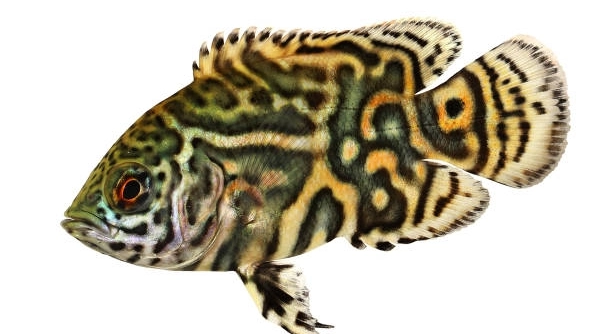
Are your Oscar fish acting differently than usual, leaving you unsure if they might be feeling too warm in their tank? Recognizing early signs of overheating is important to keeping your fish healthy and thriving.
Oscar fish can overheat when water temperatures rise too high, causing stress and health issues. Early signs include rapid gill movement, surface gasping, color changes, lethargy, loss of appetite, and erratic swimming behaviors.
Recognizing these symptoms early can help you make the right changes and keep your Oscar fish safe and comfortable year-round.
Rapid Gill Movement
When the water temperature becomes too high, Oscar fish will often start breathing faster. You might notice their gills moving more rapidly than usual, even when they are resting. This is because warmer water holds less oxygen, and your fish has to work harder to get what it needs. Rapid gill movement is one of the first warning signs that your Oscar fish is overheating. Keeping an eye on this behavior helps you respond before the problem worsens. Make sure your tank’s thermometer is working correctly and double-check the water conditions regularly to prevent stress on your fish.
A slight increase in breathing rate can be normal during feeding or excitement, but constant rapid gill movement signals a bigger issue.
If you see this happening, try lowering the tank’s temperature gradually. Adjust your heater or use a fan across the water’s surface. Always aim for a stable temperature that matches your Oscar’s needs.
Gasping at the Surface
Gasping at the surface usually means your Oscar fish is not getting enough oxygen, which can happen quickly in overheated tanks. This behavior should not be ignored, as it can lead to serious health problems if left unaddressed.
Surface gasping happens because warm water reduces oxygen levels. In this situation, your Oscar fish will swim up and repeatedly gulp air. This behavior looks desperate and stressed. Besides checking the temperature, make sure the tank is well-aerated. Adding an air stone or increasing water agitation can help oxygenate the tank. Also, consider partial water changes with cooler, treated water to bring the temperature back to a safer range. Always avoid sudden, extreme temperature changes, as this can shock your Oscar fish. Keeping your aquarium environment steady is essential to protect them from overheating risks. Monitoring daily can make a big difference in maintaining a safe, healthy setup.
Color Changes
Oscar fish that are too warm often show unusual color changes. Their vibrant shades might become dull or faded, or they may develop uneven patches. These shifts in color are usually a sign of stress, and overheating is a common cause that needs attention quickly.
When your Oscar fish’s colors start fading, it shows they are not comfortable in their environment. Stress affects their health and weakens their immune system, making them vulnerable to illness. Overheating disrupts their normal body functions, which can cause these visible changes. Always compare their current appearance to their normal coloring to catch these signs early. Adjust the tank’s temperature slowly if you notice any fading. Also, monitor for other signs like rapid breathing or unusual swimming. Keeping the tank environment steady and well-maintained will help your Oscar fish return to its healthy, vibrant colors naturally over time.
Aside from fading, your Oscar fish might also display dark patches or blotchy patterns. These color shifts can happen quickly when the water becomes too warm. It is important to act gently, avoiding sudden corrections that could shock your fish further. Aim for slow temperature adjustments and check the filtration and aeration systems too. Proper water movement helps maintain oxygen levels, supporting better overall health.
Lethargy
Oscar fish often become very sluggish when they are overheated. They may rest near the bottom of the tank and show little interest in food or play. Lethargy from overheating usually happens alongside other signs like color changes and faster breathing.
When a normally active Oscar fish starts to move less, it often signals that the environment has become stressful. High temperatures speed up their metabolism at first, but prolonged exposure tires them out. They may spend long periods lying motionless or hiding. You can help by cooling the tank slowly, increasing surface agitation, and checking the heater for malfunctions. Always avoid sudden changes that could shock your fish further. Keep a thermometer visible in the tank for easy daily checks. This way, you can catch small temperature changes before they create serious problems. Consistent care will help your Oscar regain energy and thrive.
Loss of Appetite
When Oscar fish overheat, their appetite often drops. They may ignore food they usually enjoy or eat much less than normal. A stressed body uses energy differently, and digestion can slow down when the water temperature gets too high for their comfort.
Skipping meals for a day is not unusual, but several days of poor eating should not be ignored. Constant high temperatures can lead to severe health issues if left unchecked. Adjust the tank’s temperature gradually and offer smaller, easy-to-digest meals during recovery to support their system.
Erratic Swimming
Erratic swimming is another strong sign of overheating in Oscar fish. They may dart around the tank, bump into objects, or swim in disoriented patterns. Heat stresses their nervous system, causing sudden, uncontrolled movements. Keeping the temperature within a safe range helps prevent these stressful episodes from happening.
Conclusion of Signs
Oscar fish rely on a steady, well-maintained environment to stay healthy. Overheating can cause stress quickly, showing up through rapid breathing, color fading, lack of energy, and changes in appetite or swimming patterns. Monitoring temperature daily and making slow adjustments can help prevent most of these problems and keep your Oscar comfortable.
FAQ
What is the ideal water temperature for Oscar fish?
Oscar fish thrive best in water temperatures between 74°F and 81°F (23°C to 27°C). Keeping the tank within this range supports their metabolism, immune system, and general behavior. Temperatures outside this range, especially anything above 83°F (28°C), can create unnecessary stress and health issues. Always use a reliable aquarium thermometer and monitor it daily. Sudden temperature shifts should be avoided, as Oscars are sensitive to rapid changes. A stable, warm environment that does not fluctuate too much is key to keeping your Oscar healthy and active.
How fast can overheating affect Oscar fish?
Overheating can affect Oscar fish very quickly, sometimes within just a few hours. Warm water holds less oxygen, causing breathing problems almost immediately. If left unchecked, prolonged exposure to high temperatures can weaken their immune system, leading to secondary infections or severe stress-related illnesses. Early signs, like fast breathing and loss of appetite, can appear fast. This is why daily monitoring of tank conditions is critical. Acting quickly when the temperature rises even slightly can prevent bigger problems later. Slow, careful adjustments help avoid adding further stress to the fish.
Can an overheated Oscar fish recover fully?
Yes, an overheated Oscar fish can recover fully if the problem is caught early and corrected gently. Immediate but gradual cooling of the water, improving aeration, and reducing external heat sources are good first steps. If the fish is not eating or acting normally after the tank has been stabilized, it might need more time to recover fully. In cases where infections develop because of stress, treatment may be necessary. With steady care and a return to a stable environment, many Oscars bounce back without long-term damage. Regular monitoring is important to support recovery.
What are some safe ways to cool down an overheated aquarium?
Several safe methods can help lower your aquarium’s temperature without shocking your Oscar fish. You can float ice packs in a sealed plastic bag at the surface to cool the water slowly. Turning off aquarium lights, increasing water surface movement with an air stone or adjusting filters, and aiming a fan across the tank’s surface also help. If needed, a partial water change with slightly cooler, treated water can gently lower the temperature. All changes should be gradual to avoid stressing your Oscar fish even more. Avoid large, sudden shifts at all costs.
Why does overheating cause Oscar fish to become aggressive?
Overheating can cause Oscar fish to act aggressively because heat increases their stress levels and disrupts their normal behavior patterns. As their environment becomes uncomfortable, they can become territorial or lash out unpredictably at tankmates or even tank decorations. High temperatures speed up their metabolism, making them more reactive. Aggression linked to overheating usually calms down once the temperature returns to a healthy range. Providing enough space, hiding spots, and proper temperature control helps lower aggression and create a peaceful tank environment for your Oscar.
Is it necessary to use an aquarium chiller for Oscar fish?
In most cases, an aquarium chiller is not necessary for Oscar fish if the tank is kept indoors at a stable room temperature. However, if you live in a very hot climate or struggle to keep the tank under 81°F (27°C) during summer, a chiller can be a good investment. Oscillating fans and increased water surface movement often work well enough for milder temperature spikes. Only consider a chiller if simpler methods do not keep the temperature safe. Constantly high temperatures can shorten your Oscar’s lifespan, so maintaining stability is important.
How can I tell if the heater is causing the overheating?
A malfunctioning heater can easily overheat a tank. If you notice the water feeling warmer than usual, check the heater’s indicator light. Heaters stuck in the “on” position may keep heating even when the correct temperature is reached. Always use a separate thermometer to double-check tank readings. If the tank’s temperature is consistently higher than what the heater is set to, the device may be faulty. Replacing old or unreliable heaters and using models with automatic shut-off features can prevent overheating. Regularly inspect your heater to avoid unexpected issues.
What other fish are sensitive to overheating like Oscars?
Many tropical fish, including angelfish, discus, and certain tetras, are sensitive to high water temperatures, just like Oscar fish. These species rely on stable, oxygen-rich environments to stay healthy. Prolonged exposure to temperatures above their comfort zones can cause stress, weaken immune systems, and lead to aggressive or unusual behavior. Always research the specific needs of any species you plan to house with your Oscar. Ensuring all fish in the tank share similar temperature requirements will help prevent overheating problems and keep the aquarium peaceful and healthy.
Final Thoughts
Keeping your Oscar fish healthy means paying close attention to the temperature of their water. Even small changes can have a big impact on how they feel and act. Overheating is a serious problem that can lead to breathing issues, loss of appetite, strange behavior, and even long-term health problems if not caught early. By knowing the signs and taking quick, gentle action, you can help your Oscar recover and prevent future problems. It is important to keep the tank stable and avoid sudden temperature changes, especially during warmer months or when using certain tank equipment that can increase heat.
A good habit is checking the water temperature every day and making small adjustments when needed. Reliable equipment, such as a quality heater and thermometer, makes this job much easier. Adding extra ways to cool the water during heatwaves, like using fans or floating ice packs in a safe way, can help protect your Oscar from stress. Watching your fish closely for any signs of discomfort, such as heavy breathing, rapid swimming, or unusual aggression, gives you time to act before the problem gets worse. Staying prepared and paying attention to small details can make a big difference in how happy and healthy your Oscar stays.
Providing a stable and comfortable environment is one of the best things you can do for your Oscar fish. Taking the time to set up your tank properly and keeping a close eye on the temperature shows real care for their well-being. While overheating can be scary, it is usually easy to manage if you act early and stay consistent. Protecting your Oscar from extreme temperatures supports their immune system, improves their behavior, and helps them live a longer, healthier life. Making a few small changes today can create a safer, calmer home for your fish, giving you more time to enjoy watching them grow and thrive.

Hello,
If you enjoy the content that we create, please consider saying a "Thank You!" by leaving a tip.
Every little bit helps us continue crafting quality advice that supports the health, happiness, and well-being of pets around the world, for pets of all shapes, sizes, and species.
We really appreciate the kindness and support that you show us!