
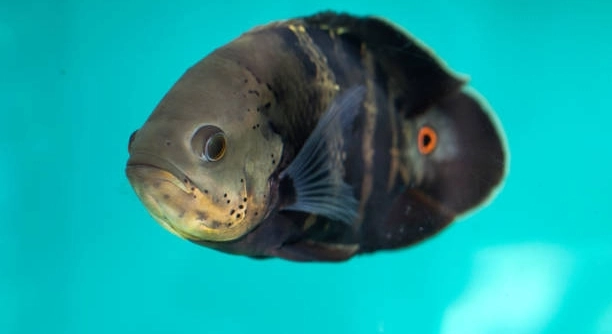
Oscar fish are fascinating creatures, and observing their well-being can be rewarding. Knowing the signs that indicate your Oscar is thriving ensures they stay healthy and happy. There are a few key things to look for.
A thriving Oscar fish typically shows active swimming, vibrant colors, and healthy eating habits. Proper water conditions and a balanced diet also contribute to their overall well-being. These signs are indicators that the fish is in good health and thriving.
Understanding these signs helps you ensure your Oscar remains healthy and happy, offering a fulfilling experience as a pet owner.
Bright and Vibrant Colors
Healthy Oscar fish display rich, vibrant colors that stand out in the tank. Whether it’s deep orange, red, or even albino shades, a thriving Oscar should have a clean and bold appearance. Dull or faded coloring may indicate stress, illness, or poor water quality. A healthy fish also has smooth, unblemished skin without signs of lesions, fraying fins, or spots. If you notice your Oscar losing its brightness, it could be due to poor diet or unsuitable tank conditions. Maintaining optimal water parameters and feeding a variety of high-quality foods can help support their natural coloring. Sudden color changes should not be ignored. While it can be normal during growth or mood shifts, drastic fading may signal a deeper problem. Color is one of the most visual indicators of a fish’s health. It’s something you’ll notice quickly if you’re paying attention to your Oscar’s day-to-day appearance.
Regular observation helps you spot any changes early.
Their coloring also becomes more defined during feeding time or social interaction, which is another sign of good health. Healthy Oscars may also display subtle shifts in shades depending on lighting and mood, but these should remain within a normal range for their type.
Active Swimming Behavior
A thriving Oscar is usually active and curious throughout the day. It will swim around the tank, react to your presence, and interact with its environment confidently.
Oscars that appear sluggish, hide often, or hover near the bottom could be stressed or unwell. A healthy fish will explore its surroundings, move with ease, and even follow you along the glass. They often rearrange decorations or dig in the substrate, which is normal behavior. Sudden changes in activity level can be related to water quality, temperature shifts, or diet. It’s essential to monitor how long these changes last. If your Oscar becomes inactive for more than a day or two, check for signs of illness, test the water, and review recent feeding habits. Also, ensure the tank is large enough and not overcrowded. Active swimming, combined with a good appetite and clear eyes, is one of the strongest indicators that your Oscar is doing well in its environment.
Healthy Appetite
A thriving Oscar eats eagerly and consistently. They respond quickly during feeding times and show interest in a variety of foods. Refusing food or spitting it out can be an early sign of stress, illness, or poor water conditions.
Feeding time should be predictable, and your Oscar should swim to the surface or area where you normally feed them. A varied diet of pellets, occasional live or frozen foods, and some vegetables helps maintain their overall health. A lack of interest in food for more than a day may indicate something is wrong. Check water quality, tank temperature, and ensure there have been no recent changes in their environment. It’s important not to overfeed, as obesity can cause health problems. Watching their feeding behavior regularly helps you catch early signs of trouble. A fish that eats well is usually active, alert, and displays consistent energy in the tank.
Sudden appetite loss often points to a specific issue. Water quality, especially ammonia or nitrate spikes, can impact their behavior and digestion. Parasites or internal infections might also be responsible if refusal to eat continues for several days. If no environmental issues are present, consult a professional for further diagnosis. Timely action is key to keeping them on track.
Clear Eyes and Smooth Skin
Eyes should be bright, clear, and free of cloudiness. Cloudy or swollen eyes can signal an infection or poor water quality. The skin should be free of lesions, redness, or excess mucus, all signs of possible illness.
If the eyes look foggy or unusually bulging, take action immediately. Cloudy eyes may result from ammonia burn, bacterial infections, or even trauma. Clean water is the most effective preventive measure. Always keep an eye on tank parameters like pH, ammonia, nitrite, and nitrate levels. Smooth skin without raised scales or irritation is another strong sign your Oscar is thriving. Uneven texture, scratching, or flashing against surfaces might indicate parasites or irritation from chemicals. Keeping their water clean and stable, avoiding rough décor, and feeding a balanced diet all contribute to healthy skin and eyes. Routine observation and tank maintenance are essential to prevent common issues and maintain their overall condition.
Responsive to You and the Environment
Oscars that are thriving will often respond to movement outside the tank. They may swim toward you or follow your hand as you walk by. This shows alertness and familiarity with their environment and the person feeding them.
They may also react to feeding cues like the sound of the lid opening or the presence of food. Healthy Oscars learn patterns quickly and show excitement during routine activities. Lack of response could mean stress, poor water quality, or underlying health problems. Regular interaction helps build trust and makes it easier to notice behavior changes.
Consistent Waste and Clean Vent Area
Normal waste from a healthy Oscar is firm and dark-colored, breaking off easily. Long, stringy, white, or clear waste can point to internal parasites or digestive issues. The vent area should be clean and not swollen. Swelling or redness might signal infection or constipation. Watch for bloating and irregular waste, especially if paired with loss of appetite. Feeding high-quality pellets and occasional fiber-rich foods like shelled peas can support digestion. Keep feeding amounts consistent and avoid sudden diet changes. Observing waste and the vent area during water changes or feeding is a quick way to track your Oscar’s internal health.
Smooth and Balanced Movements
A healthy Oscar moves through the water with ease and control. There should be no twitching, sudden jerks, or repeated scraping against objects. Smooth swimming and good balance are clear signs of proper muscle tone and inner ear function.
FAQ
How often should I feed my Oscar fish?
Feed adult Oscars once or twice a day. Offer only what they can eat in two to three minutes to avoid overfeeding. Juveniles may need to eat two to three times daily. Stick to a routine, and include a mix of high-quality pellets, occasional frozen or live foods, and some vegetables for variety. Always remove uneaten food after five minutes to keep the tank clean. Skipping one feeding a week can also help with digestion and prevent bloating.
What should Oscar fish poop look like?
Healthy Oscar poop is usually dark, firm, and sinks quickly. It should break off cleanly and not trail behind them. If the waste appears white, stringy, or floats, it might point to poor diet, stress, or internal parasites. Long, pale feces often indicate a need for better food quality or possible illness. Regularly monitor their waste during tank maintenance. A sudden change in waste appearance should be addressed quickly with a water check and diet review.
Do Oscar fish sleep, and how can I tell?
Yes, Oscars do sleep. They rest near the bottom of the tank or hover in place with minimal movement. Their colors may fade slightly, and they won’t respond much to outside activity. This usually happens at night or in dark conditions. Avoid startling them during rest, and use a light schedule to help establish a clear day-night rhythm. A healthy Oscar has a regular sleep pattern and becomes more active once the lights come on.
Why does my Oscar fish change color sometimes?
Oscars change color based on mood, health, age, and environment. Stress, poor water quality, or illness can cause them to darken or fade. On the other hand, healthy, growing Oscars often develop more vibrant patterns as they mature. If you notice sudden dullness or blotchy patches, test the water and check for signs of illness. Providing a clean, stable environment and a good diet helps keep their colors bright. Also, keep in mind that some color shifts are natural and permanent with age.
Can Oscars live with other fish?
Oscars can live with certain tankmates, but they need plenty of space and careful selection. Choose fish that are similar in size and temperament, like large catfish or other cichlids. Avoid small, delicate, or aggressive fish. A crowded tank or the wrong mix of species can lead to fights, injury, or stress. Always monitor their behavior closely after introducing a new fish. A 75-gallon tank or larger is best if you plan to keep multiple fish. It helps reduce territory issues and allows each fish enough room to move.
How can I tell if my Oscar is stressed?
Signs of stress include loss of color, lack of appetite, hiding more often, rapid gill movement, or erratic swimming. Stress may result from sudden changes in water conditions, temperature shifts, poor tank mates, or a dirty tank. Make sure ammonia, nitrite, and nitrate levels stay in check, and keep their environment consistent. Regular water testing and calm surroundings help minimize stress. A healthy Oscar should be active, responsive, and display steady behavior.
How often should I clean my Oscar’s tank?
Partial water changes should be done weekly—about 25% to 30% of the tank volume. Remove uneaten food and debris from the substrate regularly. Clean the filter monthly, but avoid replacing all filter media at once to preserve beneficial bacteria. Use a gravel vacuum during water changes to remove waste. Keep decorations and the tank glass clean, but never use soap or harsh chemicals. A well-maintained tank supports stable water quality and keeps your Oscar healthy.
What temperature is best for Oscar fish?
Oscar fish thrive in water temperatures between 74°F and 81°F (23°C to 27°C). Use a reliable aquarium heater to maintain a steady temperature, especially in cooler months. Sudden drops or fluctuations can stress the fish and weaken their immune system. Monitor the temperature daily and adjust as needed. Consistent warmth encourages proper digestion, color development, and activity. Avoid placing the tank near windows or vents where temperatures can shift quickly.
Can Oscars recognize their owners?
Yes, Oscars can recognize their owners over time. They may swim to the front of the tank, follow your movements, or show excitement when you approach. This behavior is a good sign of memory and learning. Feeding and regular interaction help build recognition. Over time, your Oscar may even respond to your voice or gestures. While they don’t form bonds like mammals, they do learn patterns and respond to familiar people. This is part of what makes them feel more interactive and engaging.
Final Thoughts
Caring for an Oscar fish takes consistency, patience, and regular observation. These fish are intelligent, active, and have strong personalities, which makes them both rewarding and demanding pets. Understanding the signs of a healthy Oscar helps you stay ahead of any potential problems. Bright colors, alert behavior, a strong appetite, and smooth swimming are all signs that your Oscar is doing well. When these traits are present consistently, it often means your tank conditions are stable, the diet is balanced, and your fish feels secure in its environment.
Keeping the tank clean and stable is one of the most important parts of Oscar care. They produce a lot of waste, so filtration and weekly water changes are necessary to prevent health issues. Feeding high-quality food in the right amounts supports growth, color, and energy. Monitoring behavior daily and responding quickly to changes can help prevent bigger problems later. It’s also helpful to stick to a routine, as Oscars tend to adjust better when their schedule is predictable. Avoid sudden changes in water parameters, tank layout, or diet unless necessary.
Watching your Oscar thrive is one of the best parts of fish keeping. Their curiosity and reactions to your presence make them feel more interactive than many other fish. Over time, you may notice them recognizing you, greeting you at the glass, or even begging for food. These little moments are signs of a strong, healthy bond and a thriving pet. Staying informed and attentive will help you provide the right conditions for your Oscar to stay healthy and happy for years. With the right care, they can live over a decade, offering a long and rewarding experience for those who are prepared to meet their needs.

Hello,
If you enjoy the content that we create, please consider saying a "Thank You!" by leaving a tip.
Every little bit helps us continue crafting quality advice that supports the health, happiness, and well-being of pets around the world, for pets of all shapes, sizes, and species.
We really appreciate the kindness and support that you show us!