
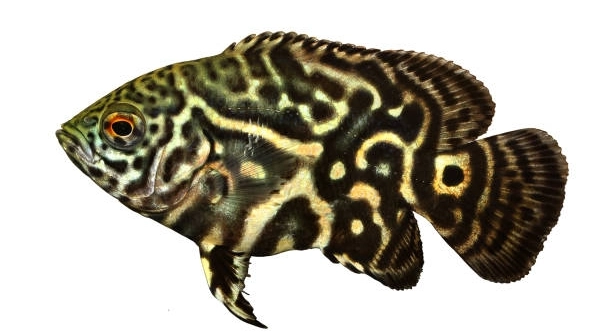
Oscar fish are beautiful and lively aquarium companions, but like all pets, they can sometimes show signs of illness. Identifying these signs early can make a big difference in your fish’s health and well-being.
Oscar fish may show signs of sickness through behavior changes, physical symptoms, or poor eating habits. If untreated, these symptoms can lead to more serious health issues. Recognizing these early signs can help you take action to treat them effectively.
Addressing illness early is key to your Oscar fish’s recovery. Understanding how to identify symptoms and treat them properly can help ensure your fish stays healthy for years to come.
Unusual Swimming Behavior
If your Oscar fish starts swimming erratically or hides at the bottom of the tank, it might be sick. Healthy Oscars are active swimmers and tend to roam around the tank. A lack of movement, swimming in circles, or constantly staying in one spot may indicate stress or illness. This behavior could be due to poor water quality, parasites, or injury.
The first step in addressing this is to check your water parameters, as unbalanced water conditions can severely impact your fish’s health. Make sure the tank is well-maintained, with clean water and the proper temperature. Additionally, consider if your Oscar is stressed due to overcrowding or tank mates.
Paying attention to these signs can help you prevent further complications. A proper diagnosis and timely intervention are crucial for restoring your Oscar’s health and ensuring it returns to its usual active behavior.
Changes in Eating Habits
A sudden loss of appetite in your Oscar fish could indicate sickness. This fish is known for its hearty appetite, and any significant decrease in food consumption should be taken seriously. A fish that avoids food or shows signs of sluggishness may have an infection or a health condition.
Changes in diet or eating patterns should be addressed immediately. Oscars can sometimes refuse food if they are suffering from internal parasites or digestive issues. Observe whether your Oscar has difficulty eating or shows signs of discomfort while feeding.
To help your Oscar recover, it’s important to address the underlying cause. Begin by ensuring that food is of high quality and appropriate for your fish. If the issue persists, seek advice from an aquatic vet.
Faded or Discolored Skin
Oscar fish are known for their vibrant colors, so if their skin becomes dull or faded, something might be wrong. The change in color can result from stress, poor water quality, or an underlying illness. Observe the fish closely to see if other symptoms, like lesions or sores, accompany this.
Discolored skin could indicate a parasitic or bacterial infection. If the water conditions are not ideal, it can also cause stress, leading to skin color changes. Check the water parameters, especially ammonia, nitrites, and pH levels. Adjusting these could help restore the fish’s normal color.
If discoloration persists, you might need to treat your Oscar with medication designed for skin infections. Ensure that you quarantine the sick fish and avoid further exposure to the rest of your tank. Early treatment is key to a quicker recovery.
Swollen Abdomen
A swollen abdomen is a noticeable sign of illness in Oscar fish. This could be caused by constipation, internal parasites, or more severe issues like dropsy, which leads to fluid retention. If you notice your Oscar’s belly swelling, it’s time to take action.
Begin by monitoring the fish’s eating habits and any changes in behavior. Swelling combined with lethargy or difficulty swimming could point to a more serious condition, like dropsy, which requires immediate attention. Ensure the fish has a balanced diet to avoid digestive issues, as this can sometimes cause bloating.
If the swelling continues, try isolating the fish and adjusting the water conditions. Adding aquarium salt can sometimes help with swelling caused by fluid retention. If the condition doesn’t improve, seek advice from a vet experienced with aquarium fish.
Difficulty Breathing
Oscar fish that are struggling to breathe may be showing signs of gill issues or poor water quality. If your fish is gulping air at the surface or has its gills flaring, it’s time to investigate. This can be a sign of low oxygen levels, bacterial infections, or gill damage.
Ensure your tank has proper filtration and circulation to avoid oxygen depletion. Poor water quality is often the leading cause of breathing difficulties. Test the water parameters, especially the oxygen levels, and make sure the tank is clean and well-maintained to help your Oscar breathe easier.
In addition, check for visible signs of injury or infection around the gills. If the breathing issue persists despite maintaining good water quality, it might be necessary to treat your fish with appropriate medications.
Excessive Flashing or Scratching
If your Oscar fish is constantly rubbing against tank surfaces or rapidly darting around, it may be experiencing skin irritation or external parasites. Flashing is a common sign of discomfort and can be linked to issues such as ich or skin lesions.
Check the water parameters to ensure the environment isn’t contributing to the irritation. Adding salt can sometimes help with external irritants, but if the behavior continues, further action is required. Examine your fish for signs of parasites, including white spots or slimy patches on its body.
A thorough treatment using the right anti-parasitic medications should resolve the issue. Be sure to quarantine the affected fish to prevent the spread of any potential disease. Proper care and observation are key to identifying the cause of flashing and addressing it.
Inability to Stay Upright
An Oscar that can’t maintain a normal swimming posture, such as constantly floating sideways or upside down, may have a serious issue, such as swim bladder disease. This condition affects the fish’s buoyancy and is often related to stress or physical trauma.
Swim bladder disease can also be caused by overfeeding or poor diet. To address this, adjust your fish’s feeding schedule and avoid offering too much food at once. Ensure the water temperature is stable, as fluctuations can contribute to swim bladder issues.
If the condition persists, you may need to consult a veterinarian to check for any underlying causes, such as infections or physical abnormalities. Treating this early will give your Oscar the best chance of recovery.
FAQ
What causes Oscar fish to get sick?
Oscar fish can get sick due to several factors, including poor water quality, overcrowding, stress, or improper diet. Environmental changes such as fluctuating water temperature or inadequate filtration can lead to infections and other health issues. It’s important to maintain a stable tank environment and ensure the water is regularly tested for ammonia, nitrites, and pH levels.
How do I prevent my Oscar fish from getting sick?
To prevent illness, ensure that your Oscar fish is kept in a clean, well-maintained tank with proper filtration. Regular water changes are essential to remove toxins and maintain optimal water quality. Avoid overfeeding and monitor your fish for any changes in behavior. Additionally, quarantine new fish before introducing them to your tank to prevent the spread of diseases.
Why is my Oscar fish not eating?
A lack of appetite can be caused by stress, poor water quality, or illness. If your Oscar is not eating, check the water parameters and make sure they are within the ideal range. Stress from changes in the tank environment or aggressive tank mates can also lead to loss of appetite. If the issue persists, it may be a sign of internal parasites or a digestive problem.
How do I treat an Oscar with skin discoloration?
Skin discoloration in Oscar fish is often a sign of stress, poor water quality, or a bacterial or parasitic infection. First, check the water parameters and ensure the environment is clean. If the discoloration continues, consider adding salt to the tank to help with skin irritation. If symptoms persist, you may need to treat with medications designed for external infections.
What are the signs of internal parasites in Oscar fish?
Signs of internal parasites in Oscar fish include weight loss, bloating, abnormal swimming, and difficulty eating. In some cases, you may notice visible signs such as cloudy or stringy feces. If you suspect internal parasites, it’s important to treat the fish with appropriate antiparasitic medications. It’s also crucial to improve water quality and avoid overfeeding to help reduce the risk of infections.
Why is my Oscar fish swimming erratically?
Erratic swimming can be caused by several factors, including poor water quality, stress, or a physical injury. If your Oscar is swimming in circles or darting around the tank, check the water parameters to make sure the conditions are optimal. Stress from overcrowding or aggressive tank mates can also lead to erratic behavior. If the behavior continues, consider isolating the fish and observing for signs of illness.
How do I treat swim bladder disease in my Oscar fish?
Swim bladder disease is a condition that affects the fish’s ability to maintain buoyancy. It can be caused by overfeeding, constipation, or stress. To treat it, avoid feeding your fish for a few days to allow its digestive system to reset. You can also try feeding it a small amount of peas, which can help with constipation. If the problem persists, consider isolating the fish and consulting a vet for further treatment.
How can I improve the water quality in my Oscar fish tank?
To improve water quality, perform regular water changes and use a good filtration system. Test the water frequently for ammonia, nitrites, and pH levels, and adjust as needed to maintain stable conditions. Removing excess food, waste, and uneaten food from the tank will help prevent water pollution. Consider using an aquarium vacuum to clean the substrate and keep the tank free from debris.
Is it normal for my Oscar fish to hide?
While Oscar fish are generally active and curious, they may hide if they are stressed, sick, or uncomfortable with their environment. If your Oscar is hiding frequently, check the water quality and make sure there are no aggressive tank mates. Illness, changes in tank setup, or poor water conditions can also cause your fish to seek shelter.
Can Oscar fish survive in small tanks?
Oscar fish grow quite large and need plenty of space to thrive. A small tank can lead to stress, which can affect their health. Ideally, an Oscar should be kept in a tank that is at least 75 gallons. Providing a larger tank allows for better filtration, water quality control, and a less stressful environment for the fish.
How do I know if my Oscar fish is stressed?
Signs of stress in Oscar fish include hiding, reduced activity, loss of appetite, and abnormal swimming behavior. Stress can be caused by poor water quality, overcrowding, or aggression from other tank mates. Maintaining a stable and clean environment is key to reducing stress and keeping your Oscar fish healthy.
What is the best diet for an Oscar fish?
Oscar fish are carnivores and thrive on a diet of high-quality pellets, live or frozen food such as worms, shrimp, and fish. It’s important to offer a balanced diet that meets their nutritional needs. Avoid overfeeding, as this can lead to obesity and digestive issues. A varied diet helps ensure your Oscar remains healthy.
How often should I feed my Oscar fish?
Oscar fish should be fed once or twice a day. Offer only as much food as they can eat in a few minutes to prevent overfeeding, which can lead to water quality issues. Remove any uneaten food to avoid it decomposing in the tank. Maintaining a regular feeding schedule will help your Oscar stay healthy and active.
Final Thoughts
Caring for an Oscar fish requires attention to detail and a commitment to maintaining a stable environment. They are known for their intelligence and unique personalities, making them rewarding pets. However, they can also be prone to certain health issues if not properly cared for. By monitoring water quality, feeding a balanced diet, and keeping an eye out for signs of illness, you can help your Oscar thrive in your tank. Regular water changes and proper filtration are essential in maintaining a healthy habitat.
It is important to understand the behavior and needs of your Oscar fish. If you notice any unusual symptoms, addressing them early can often prevent more serious health problems. A sick Oscar can exhibit signs such as changes in appetite, behavior, or appearance. When you notice these changes, it’s crucial to take action quickly to ensure your fish receives the proper treatment. Always test your water and check for factors that could be contributing to stress, such as overcrowding or incompatible tank mates.
In summary, keeping an Oscar fish healthy requires a mix of good tank management, proper nutrition, and quick attention to any issues that arise. While they can be sensitive to changes in their environment, a little care and patience can go a long way in ensuring they live a long, happy life. If you continue to educate yourself about their needs and observe their behavior regularly, you’ll be able to provide the best care possible for your Oscar fish.

Hello,
If you enjoy the content that we create, please consider saying a "Thank You!" by leaving a tip.
Every little bit helps us continue crafting quality advice that supports the health, happiness, and well-being of pets around the world, for pets of all shapes, sizes, and species.
We really appreciate the kindness and support that you show us!