
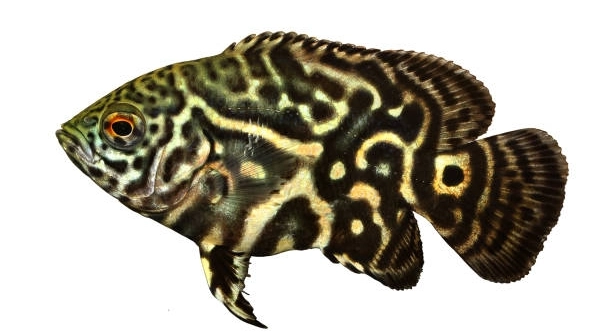
Oscar fish are known for their vibrant colors and active behavior. However, overstimulation can lead to stress, affecting their health and well-being. Recognizing the signs of overstimulation is essential for ensuring their comfort in the aquarium.
Overstimulation in Oscar fish often manifests through erratic swimming, aggression, or constant hiding. These behaviors are a result of environmental or social stressors that disrupt their natural rhythms. Identifying these signs early can prevent further complications.
Understanding these signals helps maintain a peaceful environment for your Oscar fish, promoting a healthier and more stable aquarium habitat.
Erratic Swimming Patterns
Oscars are typically active swimmers, but when overstimulated, they may display erratic swimming. You might notice them darting from one side of the tank to the other without any clear direction or purpose. This frantic behavior often signals discomfort or stress. Overstimulation can result from factors like tank size, water quality, or tankmates. It’s important to observe their swimming patterns carefully.
When an Oscar fish feels overstimulated, it may also swim near the surface, constantly moving or even rubbing against tank objects. This behavior could indicate a need to escape or an attempt to find relief. Make sure your aquarium is large enough for them to move freely and comfortably.
Maintaining stable conditions in the aquarium is key to calming your Oscar. Frequent water changes, proper filtration, and monitoring of tankmates can reduce stress and promote better swimming patterns. If the behavior persists, consider adjusting the environment to better suit their needs, ensuring a happier, healthier fish.
Aggressive Behavior
Oscars can become aggressive when overstimulated. They might start chasing their tankmates or display territorial behavior, even toward objects in the tank. This aggression is usually a response to too much stimulation, either from a change in their surroundings or overcrowding.
In addition to aggression, Oscars may show signs of stress through fin nipping or defending specific areas of the tank. These behaviors can lead to injury, so it’s essential to assess the cause and minimize stressors. A less crowded tank and proper tank decor can reduce aggression.
When an Oscar fish’s aggression increases, it may also become more territorial, constantly guarding an area, and attacking anything that comes near. Reducing the number of fish in the tank or adding hiding spots can help them feel more secure. Providing a calm and stable environment is the best way to prevent this behavior from escalating.
Hiding More Than Usual
Oscars that are overstimulated often retreat to the corners of the tank or hide behind decorations. This behavior can indicate that they’re overwhelmed by their surroundings. It’s their way of seeking comfort or escaping from a stressful situation.
If your Oscar is spending an unusual amount of time hiding, it’s important to examine the tank environment. Check for factors such as loud noises, other aggressive fish, or poor water conditions. Sometimes, the tank setup might need some adjustments, like adding more hiding spots or changing the water temperature.
Making the environment feel safer can help your Oscar regain confidence. Keep the water clean and ensure no tankmates are intimidating them. Over time, they may feel more secure and less inclined to hide. It’s a simple, yet effective approach to reducing overstimulation and encouraging more normal behavior.
Changes in Eating Habits
When overstimulated, Oscar fish may stop eating, or they might eat less than usual. Stress can cause a lack of appetite, which is worrying for their health. These changes are often temporary but need to be addressed.
Overstimulated Oscars might also become picky eaters, turning away from their favorite foods. This can happen if they feel uncomfortable or unsafe in their environment. To help, provide a consistent feeding schedule and ensure that the tank conditions are calm. Feeding smaller amounts more frequently might also encourage them to eat.
If your Oscar continues to refuse food, it’s important to rule out other causes, like water quality or illness. Stress alone might not always be the root issue. But addressing overstimulation should be your first step in improving their eating habits.
Clamped Fins
When an Oscar fish feels overstimulated, its fins may clamp tightly against its body. This indicates stress or discomfort. It’s a common response to unfavorable water conditions, overcrowding, or tankmates that are too aggressive. Keep an eye on their fin position.
Clamped fins can also be a sign of illness, so it’s crucial to check the tank’s water parameters. Ensure the temperature, pH levels, and filtration are all within optimal ranges. If the problem persists despite changes, consider isolating the fish to reduce stress and promote healing.
Excessive Flashing
Flashing occurs when your Oscar rubs its body against the substrate, plants, or decorations. This behavior is often caused by overstimulation, parasites, or irritation from poor water quality. It’s an instinctive way for fish to relieve discomfort.
Flashing can lead to further issues like abrasions or skin damage. To prevent this, examine your water quality regularly and ensure the tank is clean. If flashing persists, consider checking for any parasites or infections that might be causing irritation. Adjust the tank conditions to reduce stress and promote healing.
Unusual Breathing Patterns
Overstimulated Oscars may breathe faster than usual. If you notice heavy or labored breathing, it could be a sign that something in their environment is off. This could result from high stress, poor oxygen levels, or an overly crowded tank.
FAQ
What causes my Oscar fish to become overstimulated?
Overstimulation in Oscar fish can be caused by several factors, such as poor water quality, overcrowding, sudden changes in the tank environment, or aggressive tankmates. Stress can also result from excessive handling, loud noises, or bright lighting. Oscars are sensitive to changes, and a lack of hiding spaces or adequate swimming space can exacerbate this stress.
How can I tell if my Oscar is overstimulated?
The signs of overstimulation include erratic swimming, aggression toward other fish, frequent hiding, clamped fins, changes in eating habits, or excessive flashing. You may also notice your Oscar breathing more rapidly or becoming more territorial. If these behaviors persist, it’s important to check the water quality and evaluate the overall environment of the tank.
What are some common signs of stress in Oscar fish?
Stress in Oscar fish is often visible through erratic movements, refusal to eat, clamped fins, and hiding more than usual. Additionally, an overstimulated Oscar may engage in excessive flashing or aggressive behavior toward other tankmates. These signs can be exacerbated by poor water quality or sudden changes in the tank setup.
How do I reduce overstimulation in my Oscar fish?
To reduce overstimulation, ensure the water quality is optimal by regularly changing the water and monitoring parameters like pH, ammonia, and nitrate levels. Make sure your Oscar has plenty of space to swim, and avoid overcrowding. Providing hiding spots and keeping tankmates compatible can also reduce stress. Consider adding plants or decorations to create a more secure and peaceful environment.
Is it safe to keep multiple Oscar fish together?
Oscar fish are territorial and can become aggressive, especially when overstimulated. While it is possible to keep multiple Oscars together, it requires a large tank and careful monitoring of their behavior. If the tank is too small or overcrowded, aggression and stress levels can increase. Always ensure there’s plenty of space and that the Oscars have room to establish their territories.
How much space does an Oscar fish need?
Oscar fish are large and need plenty of swimming space. A 75-gallon tank is typically the minimum for a single Oscar, but a larger tank, such as a 100-gallon or more, is ideal. Providing enough space is key to reducing overstimulation and ensuring your fish’s health and well-being. The more room they have, the less likely they are to feel stressed.
Can water temperature affect my Oscar’s behavior?
Yes, water temperature plays a significant role in the behavior of your Oscar fish. Oscars thrive in warm water, ideally between 74°F and 81°F (23°C to 27°C). If the water temperature fluctuates too much or falls outside this range, your Oscar can become stressed, leading to overstimulation and other health issues. Consistent and stable water temperature is crucial for maintaining a calm and healthy environment.
What should I do if my Oscar is not eating?
If your Oscar stops eating, check the water quality first, as poor conditions can cause a lack of appetite. Stress from overcrowding, tankmate aggression, or water temperature fluctuations can also affect their eating habits. If no improvement is seen after making adjustments to their environment, consider offering a variety of food options or consult a vet to rule out illness.
How can I tell if my Oscar is sick or just overstimulated?
If your Oscar’s behavior is consistent with overstimulation, such as hiding, aggression, or erratic swimming, and these issues improve with a change in the tank environment, it’s likely stress. However, if your fish exhibits abnormal physical symptoms like spots, lesions, or swelling, or if it stops eating for an extended period, it might be sick. In that case, seek advice from a vet.
What kind of tankmates are suitable for Oscars?
Oscar fish are best kept with other large, non-aggressive fish. They tend to be territorial, so avoid small or passive species that could become stressed or injured. Suitable tankmates include larger cichlids or robust fish like plecos or large catfish. Avoid adding small or slow-moving fish, as they may trigger aggression in Oscars.
Can I add decorations to my Oscar’s tank?
Decorations can be helpful for reducing stress and providing hiding spots, but they should be large and sturdy enough to withstand the Oscar’s activity. Avoid sharp objects that could injure the fish. Plants, rocks, and driftwood are great options that provide both structure and visual appeal. Ensure there’s still enough open space for swimming.
Final Thoughts
Overstimulated Oscar fish can show a variety of signs, from erratic behavior and excessive hiding to changes in eating habits. Recognizing these symptoms early can help in providing the necessary care to reduce stress. By observing your Oscar’s actions and adjusting the tank environment, you can minimize overstimulation and promote a healthier, more comfortable life for your fish.
Maintaining a stable tank environment is key. This includes ensuring the water quality is consistently monitored, providing enough space, and reducing overcrowding. Proper tankmates and hiding spots can also help in creating a peaceful environment. Oscars are sensitive to changes, so keeping the environment as consistent as possible is crucial to their well-being.
By being mindful of your Oscar’s needs and stress levels, you can prevent long-term health issues caused by overstimulation. With proper care and attention, your Oscar can thrive in a balanced, stress-free tank environment. Adjusting the tank setup and ensuring their comfort can go a long way in preventing overstimulation and improving their overall quality of life.

Hello,
If you enjoy the content that we create, please consider saying a "Thank You!" by leaving a tip.
Every little bit helps us continue crafting quality advice that supports the health, happiness, and well-being of pets around the world, for pets of all shapes, sizes, and species.
We really appreciate the kindness and support that you show us!