
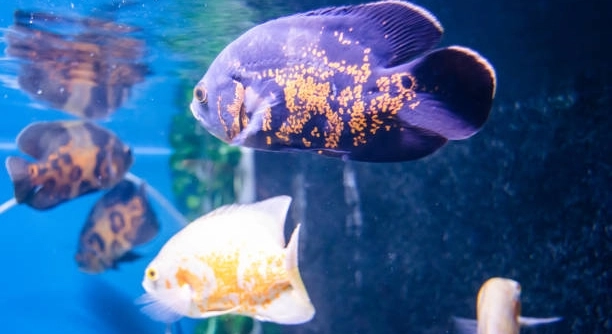
Oscar fish are known for their strong personalities and vibrant colors, but when they’re being bullied by tank mates, it can cause serious stress and harm. Recognizing the signs of bullying is crucial to maintaining a healthy aquarium.
Oscar fish can exhibit signs of stress and aggression when bullied, such as hiding, decreased appetite, or fin damage. Identifying these behaviors early allows you to intervene and protect your fish from further harm, ensuring their well-being.
Taking action quickly is important to reduce stress and maintain a peaceful environment for all your tank’s inhabitants. Understanding the signs will guide you in creating a balanced and healthy aquatic community.
Signs of a Bullied Oscar Fish
When Oscar fish experience bullying in the tank, their behavior often changes dramatically. They may start to hide in corners or behind decorations, trying to avoid other fish. This is a clear sign they are feeling stressed or threatened. You might also notice a decrease in their appetite. Bullied fish often lose interest in eating, as the stress can affect their health and digestion. Physical damage, such as torn fins or missing scales, can also be a telltale sign. If you see these signs, it’s important to take action quickly to prevent further harm to your Oscar.
Stress caused by bullying can make your Oscar more susceptible to diseases and infections. If left unchecked, the bullying can lead to a weakened immune system, making the fish more vulnerable to illness. Over time, this can significantly reduce their lifespan.
The key to a healthy Oscar is ensuring a peaceful tank environment. By managing aggression between fish, you can promote a safer and more comfortable space for your Oscar to thrive.
How to Identify Bullying Behavior
One way to identify bullying is by watching the body language of your Oscar. If another fish is chasing or nipping at them constantly, it could be a sign of bullying.
Fish that repeatedly chase, bite, or corner others disrupt the balance of your tank. These aggressive behaviors may lead to ongoing stress for your Oscar. When fish feel threatened, they try to defend themselves. You might see them swim erratically, darting away from their aggressors, or even striking back in retaliation. Over time, this stress can affect their overall health.
It’s important to consider the tank’s size and the number of fish. Overcrowded tanks can increase the chances of aggression as fish compete for space and resources. In these situations, it may be necessary to separate the aggressor from the other fish to reduce the tension.
The Impact of Stress on Your Oscar Fish
Stress from bullying can significantly affect your Oscar’s behavior and health. It’s common for them to withdraw, and their once-vibrant colors may start to fade.
When stressed, Oscars may also show unusual swimming patterns, such as erratic movements or hiding more often. These behaviors are often linked to discomfort or fear. Over time, their immune system weakens, making them more susceptible to infections. Poor feeding habits can further impact their health, leading to weight loss and even lethargy.
Addressing bullying quickly is essential to preventing lasting damage. A peaceful tank environment ensures your Oscar remains healthy, active, and vibrant. Take steps to identify stress signs early, preventing further complications.
Solutions to Reduce Tank Aggression
One simple solution to reduce aggression is to rearrange the tank. Changing the layout can help break territorial boundaries and reduce the aggressive behavior.
Fish often fight over territory, so making changes in their environment can disrupt their routine and calm them down. Introducing more hiding spots can give bullied fish a place to retreat, which helps them feel safer. This change allows them to regain some control over their space, lowering stress levels.
Another solution is separating aggressive fish. If one fish continues to bully your Oscar, placing them in a different tank might be necessary. This can restore peace in the tank and protect your Oscar from further harm.
Monitor Tank Behavior Regularly
Regular monitoring of your tank can help catch bullying behaviors early. Keep an eye on interactions between fish, especially during feeding times or when new tankmates are introduced.
Observing your fish frequently allows you to spot any signs of aggression before they escalate. It’s also helpful to watch for changes in behavior, such as your Oscar hiding more often or becoming less active.
Acting quickly can prevent stress from taking a toll on your Oscar’s health. A peaceful, monitored environment allows your fish to feel secure and thrive.
The Importance of Tank Size
A larger tank can reduce bullying by providing more space for fish to establish their territories. The more room your Oscar has, the less likely they are to feel cornered or stressed.
A cramped tank can lead to overcrowding and competition for space. This situation often results in aggressive behavior as fish try to claim their area. Ensuring that your tank is appropriately sized for all inhabitants is crucial for maintaining a balanced and healthy environment.
Tank Mates for Oscar Fish
Choosing compatible tank mates is important to prevent bullying. Oscars can be aggressive and territorial, so pairing them with peaceful fish can reduce the chances of conflict.
Avoid keeping Oscars with smaller, slower fish, as they may become easy targets. Instead, opt for robust, similar-sized species that can hold their own. Always research fish compatibility before introducing new tank mates.
FAQ
What are the common signs that an Oscar fish is being bullied?
The most common signs of bullying in Oscar fish are hiding, damaged fins, loss of appetite, and erratic swimming. If your Oscar is constantly retreating to corners of the tank or staying behind decorations, it may be stressed. Aggressive tankmates can cause this behavior. Additionally, a decrease in eating or visible physical damage like torn fins are clear signs of bullying. If these behaviors persist, it’s important to address the issue before it leads to more severe stress or illness.
How can I stop my Oscar fish from being bullied?
To stop bullying, start by creating a more balanced tank environment. First, rearrange the decorations to break territorial lines. This can help reduce the aggressive behaviors from other fish. Also, consider adding more hiding spots or plants to give your Oscar a retreat if they feel threatened. In some cases, separating the aggressor from the Oscar might be necessary. Introducing new tankmates with similar sizes and temperaments can help as well. Avoid overcrowding the tank, as it increases competition and stress.
Can Oscar fish live with other fish?
Oscar fish can live with other fish, but it’s crucial to choose the right tankmates. They are territorial and can be aggressive toward smaller fish or those that share their space. It’s best to pair them with other large, strong fish that can defend themselves. Species like larger cichlids or catfish may do well. Avoid small, peaceful fish like neon tetras or guppies, as they are too vulnerable to bullying. Always research the compatibility of different species before introducing them to your Oscar’s tank.
Is it necessary to separate the aggressive fish from the Oscar?
If one fish is consistently bullying your Oscar, separating them may be necessary to protect your Oscar from harm. Isolation of the aggressor can give your Oscar time to recover from stress and physical damage. After a period of separation, you can slowly reintroduce the aggressive fish, but monitor their behavior closely. If the bullying continues, permanent separation may be the best option for the well-being of both fish.
How can I tell if my Oscar fish is stressed?
Stress in Oscar fish can manifest in several ways. They may hide more often, become less active, or swim erratically. A decrease in appetite is also a significant sign of stress. Physical changes like faded colors or damaged fins can be indicators as well. If your Oscar seems withdrawn or aggressive, it’s likely they are stressed, often due to bullying or an unsuitable environment. Keeping a close watch on these changes helps you address the issue before it leads to further health problems.
Can bullying cause my Oscar fish to get sick?
Yes, bullying can weaken your Oscar’s immune system, making them more prone to diseases. Prolonged stress from being bullied can decrease your fish’s ability to fight off infections and illnesses. Bullied Oscars may also stop eating, which weakens their overall health. If you notice signs of stress, like hiding or damaged fins, it’s important to address the bullying issue immediately to prevent any further complications, such as bacterial or fungal infections. A healthy tank environment is essential for your fish’s well-being.
How can I reduce aggression between my Oscar and other fish?
To reduce aggression, provide enough space in the tank. A larger tank gives each fish its own area to establish territories, which can help reduce fighting. Rearranging decorations or adding more hiding spots can also help calm aggressive behavior. Ensure that all fish in the tank are of similar size and temperament. Introducing new fish slowly and observing their interactions will help prevent immediate aggression. If the aggression continues, consider separating the more aggressive fish temporarily or permanently.
Can tank size impact bullying behavior in Oscar fish?
Yes, tank size plays a significant role in the behavior of Oscar fish. A larger tank provides more space for each fish to establish their territory, reducing competition and aggression. In a cramped tank, Oscars and other fish may feel threatened and stressed, leading to bullying. It’s recommended to have at least a 75-gallon tank for one Oscar fish, with additional space for other tankmates. Ensuring the tank is large enough for all its inhabitants is essential to keeping peace among them.
What can I do if my Oscar fish is still not eating?
If your Oscar fish is not eating, first ensure that there are no tankmates bullying them. Stress from aggressive behavior can cause loss of appetite. Next, check the water quality, as poor water conditions can also lead to a lack of appetite. Ensure the temperature, pH, and ammonia levels are within the safe range for your Oscar. If bullying is not the issue, try offering a variety of foods or adjusting the feeding schedule. If the issue persists, consult a veterinarian to rule out any health problems.
Can I add new fish to the tank while dealing with bullying?
It’s not recommended to add new fish while dealing with bullying in your tank. Introducing new fish can cause further stress and aggression, as it may disrupt the established territorial boundaries. Focus on addressing the bullying problem first before adding new tankmates. Once the aggressive behavior is under control and the tank environment is more peaceful, you can slowly introduce new fish. Always monitor the interactions closely to prevent further conflicts.
What are some peaceful tankmates for an Oscar fish?
Peaceful tankmates for an Oscar fish are typically other large, robust species that can handle the Oscar’s territorial nature. Suitable options include larger cichlids like midas or jaguar cichlids, as well as certain species of catfish. These fish are strong enough to defend themselves if necessary. Avoid small, delicate fish like guppies or neon tetras, as they will likely become targets of aggression. It’s essential to choose fish with similar size and temperament to ensure a peaceful tank environment.
Final Thoughts
Addressing bullying in Oscar fish is crucial for their well-being. Oscars are naturally territorial and can become aggressive, but this behavior can cause significant stress to other fish. When bullying occurs, it can lead to physical damage, reduced appetite, and overall poor health. The first step in resolving bullying is identifying the signs, such as hiding, damaged fins, or unusual swimming patterns. Once these signs are noticed, taking action quickly is important to prevent further harm to the affected fish. Creating a peaceful environment and providing enough space can reduce aggressive behavior significantly.
In addition to physical space, the mental environment also plays a vital role in reducing bullying. Rearranging decorations or adding more hiding spots can help break territorial boundaries and give all fish a sense of security. Regular monitoring of tank behavior allows you to address problems early, before they escalate. When one fish is continually bullied, removing the aggressor or temporarily separating the fish may be necessary. Ensuring that all fish in the tank are compatible with each other is another important factor. Choosing tankmates that can hold their own and introducing them slowly can help reduce aggression and make for a more balanced environment.
Lastly, it’s essential to maintain a healthy tank environment to ensure all your fish thrive. Proper water conditions, including temperature and pH levels, must be maintained. Regular water changes are necessary to remove toxins and ensure the water stays clean. A stressed fish is more prone to illness, so keeping the tank clean and balanced can prevent health issues from arising. By addressing bullying, ensuring a peaceful tank environment, and maintaining proper care, you can help your Oscar fish stay healthy, happy, and active.

Hello,
If you enjoy the content that we create, please consider saying a "Thank You!" by leaving a tip.
Every little bit helps us continue crafting quality advice that supports the health, happiness, and well-being of pets around the world, for pets of all shapes, sizes, and species.
We really appreciate the kindness and support that you show us!