
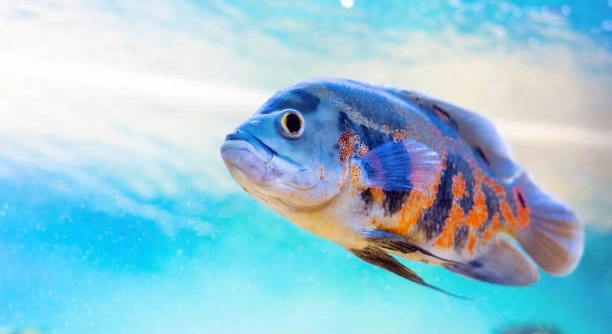
Oscar fish are known for their active behavior, and sometimes they seem to explore their tank more than usual. This can be an exciting experience for owners who want to observe their fish’s unique movements and habits.
Oscar fish exhibit specific signs when they are exploring their tank. These behaviors typically include swimming around the tank, interacting with objects, or even investigating new decorations. Monitoring these actions can help ensure their well-being and comfort.
Noticing these signs will help you better understand your Oscar fish’s behavior. You’ll be able to maintain a healthy environment for them.
Why Oscar Fish Explore Their Tank
Oscar fish are curious creatures and often exhibit behaviors like swimming near the tank’s surface or exploring objects. They are known for being territorial and may explore their surroundings to assert dominance or to find a comfortable spot. When they explore, they move quickly and may even show signs of curiosity by interacting with the environment, such as touching plants or decorations. This exploration can be a sign of a healthy and active Oscar fish, as they are naturally inquisitive.
Their exploration may also be triggered by changes in their environment, such as the introduction of new tankmates or decorations. These changes can make the Oscar fish more active as they try to assess the new additions and adjust to their altered space. In some cases, if they feel unsettled, they may explore more to ensure everything in the tank is in order.
Regularly observing your fish’s behavior can offer insight into their health and comfort. If they seem overly active or restless, it may indicate that something in the environment needs to be adjusted, such as water temperature or tank layout.
Physical and Mental Stimulation
Oscar fish enjoy interacting with their environment. Physical objects like plants, rocks, and tank decorations can provide opportunities for them to explore.
This behavior helps to stimulate both their bodies and minds. A stimulating environment encourages movement and reduces stress, which keeps your Oscar fish in good condition. Adding hiding spots or new objects encourages them to explore, benefiting their overall health. They can swim through plants or investigate new structures, which mimics their natural behavior in the wild.
This stimulation plays an important role in keeping them engaged and happy. However, too much activity or too many changes in the tank can stress them out. Maintaining a balance between stimulation and stability is key to ensuring they thrive in their environment.
Signs of a Healthy Exploration
Oscar fish that actively explore their tank typically show signs of good health. They swim around confidently, occasionally stopping to interact with their environment. This exploration is a sign of a comfortable and stimulated fish.
However, if the exploration becomes excessive, it might signal other issues. Healthy exploration is often a calm process, with the fish investigating its surroundings without distress. Their behavior should be purposeful rather than frantic. When an Oscar fish is exploring in a relaxed manner, it generally indicates that they are adapting well to their habitat and feel secure.
Over time, your Oscar may begin to adjust to certain patterns or changes in their tank. Continued exploration also shows that they are still curious and engaged with their surroundings. If the exploration becomes more sporadic or disoriented, this could suggest that something is wrong.
The Role of Tank Size
Oscar fish require a large tank to feel at ease. A spacious environment allows them to swim freely and engage in natural behaviors like exploring.
Without enough space, Oscar fish can become stressed, leading to erratic or less frequent exploration. Their tendency to explore will be limited if the tank is too small, making them feel confined. A tank that is 75 gallons or larger is recommended to accommodate their size and activity level. This larger space gives them room to swim freely, which encourages them to explore more naturally.
The layout of the tank also matters. Even with a large space, overcrowding or too few hiding places can make your Oscar fish feel exposed. Including objects like plants, rocks, and caves allows them to explore and find spots where they feel safe. The right balance of space and shelter can keep your fish active and healthy.
Tank Environment and Water Quality
Oscar fish rely on stable water quality to feel comfortable. Poor water conditions can cause stress and reduce their exploration. Regular water changes and monitoring the tank’s pH, ammonia, and nitrate levels are essential.
A clean environment promotes better health and encourages natural behaviors. Keeping the water parameters in check reduces the risk of diseases and stress, ensuring that your Oscar feels secure enough to explore. Water temperature should be consistent, usually between 75°F and 80°F. By maintaining these conditions, your fish will feel more comfortable and active.
Feeding Habits
Feeding your Oscar properly also influences their behavior. When they’re well-fed, they are more likely to explore their tank.
An Oscar fish with adequate nutrition will remain active and engaged. Providing them with a balanced diet that includes protein-rich foods like pellets, fish, and live or frozen food helps maintain their energy levels. If they’re hungry, they may appear less interested in exploring and more focused on finding food.
FAQ
Why is my Oscar fish swimming at the surface of the tank?
Oscar fish may swim at the surface for several reasons. It can indicate that they’re searching for food or oxygen. They may also be curious about the surface environment. However, if this behavior persists without feeding or oxygen-related issues, it could point to stress or poor water quality.
If the water quality is poor, your Oscar may try to stay near the surface to get more oxygen. Check the water temperature, pH, and ammonia levels to ensure they are in optimal ranges. Additionally, ensure that the filter is functioning well and that the tank is adequately aerated.
How can I tell if my Oscar fish is stressed?
Signs of stress in Oscar fish can include rapid swimming, excessive hiding, or a lack of interest in food. A stressed Oscar may also exhibit erratic swimming patterns or spend too much time near tank corners. Stress can stem from overcrowding, poor water quality, sudden temperature changes, or tankmate conflicts.
Addressing the stress triggers is crucial. Ensure the tank is large enough, with proper filtration and a consistent temperature. You can also observe their social behavior with other tankmates, as Oscars can be territorial and may not get along with certain species. If needed, adjust the tank environment to reduce stress.
How can I encourage my Oscar fish to explore more?
Providing a stimulating environment can encourage your Oscar fish to explore. This includes adding plants, rocks, and caves that they can swim through or hide in. Regularly rearranging the tank layout can also spark curiosity, encouraging exploration.
Consider adding new objects or tankmates to pique your fish’s interest. Just make sure that the changes don’t overwhelm them. You want to balance providing enough stimulation with keeping their environment stable and comfortable. A clean, spacious tank with interesting features will keep your Oscar active and engaged.
What size tank does my Oscar fish need to thrive?
Oscar fish require a large tank, preferably 75 gallons or more. As they grow, they need ample space to swim and explore. A cramped environment can lead to stress and stunted growth.
Larger tanks allow your Oscar to exhibit natural behaviors, including exploration. It also gives you more flexibility in setting up the tank with features like hiding spots and swimming space. If you plan to keep multiple Oscars, consider even larger tanks, as they can be territorial.
Why is my Oscar fish not eating as much?
Oscar fish may reduce their food intake due to stress, illness, or water quality issues. If your fish seems lethargic, has visible signs of disease, or is hiding more than usual, these could be signs of an underlying problem. Check water parameters and observe their behavior for any changes.
Sometimes, Oscar fish go through phases of reduced appetite, especially when they are adjusting to a new environment or tankmates. If the issue persists, try offering different types of food or increasing feeding frequency. If there’s no improvement, consult a vet for a more accurate diagnosis.
How do I know if my Oscar fish is happy?
A happy Oscar fish will show signs of active exploration and social interaction, especially when they feel comfortable in their environment. They will swim confidently, investigate objects in the tank, and even interact with you when you approach the glass. Healthy appetite and regular feeding are also signs of a happy Oscar.
On the other hand, a lack of interest in food, constant hiding, or erratic behavior could indicate that the fish is not happy. Maintaining clean water, offering a balanced diet, and providing plenty of space will help keep your Oscar fish content.
Why is my Oscar fish suddenly aggressive?
Oscar fish can become aggressive due to territorial behavior or changes in their environment. New tankmates, changes in water quality, or rearranging the tank can cause them to feel threatened and more territorial. Aggression is especially common when Oscars are breeding or when they are housed with fish of similar size and temperament.
To reduce aggression, ensure the tank is large enough to accommodate their space needs. Adding hiding spots can help reduce territorial disputes, as can providing enough space for each fish. If aggression becomes too intense, separating the fish may be necessary.
Can my Oscar fish live with other fish?
Oscar fish can live with other species, but caution is needed. They can be aggressive, especially if tankmates are smaller or have similar characteristics. Ideally, Oscars should be housed with fish that are large and peaceful, like other cichlids or large catfish.
Avoid keeping Oscars with small, slow-moving fish, as they may be seen as prey. It’s essential to monitor the tank for any signs of aggression, particularly when introducing new fish. Over time, your Oscar may adjust to certain tankmates, but it’s always important to keep an eye on their behavior.
Why is my Oscar fish not exploring much?
If your Oscar fish is not exploring the tank, it could be due to stress, boredom, or poor water quality. Check if the tank is too small, as a cramped space can reduce their ability to explore. Additionally, ensure the water is clean and the temperature is consistent.
A lack of stimulation may also cause your Oscar to be less active. Adding new decorations or rearranging the tank layout can encourage them to explore. If the fish still doesn’t show interest in its surroundings, further investigation into water parameters or health concerns may be necessary.
How often should I feed my Oscar fish?
Oscar fish should be fed once or twice a day, depending on their age and size. Juvenile Oscars require more frequent feeding to support their growth, while adult Oscars can be fed less often. It’s essential to feed them a variety of foods, such as pellets, fish, and occasional live or frozen food.
Overfeeding can lead to water quality issues, so ensure that the fish eats all its food within a few minutes. Remove any uneaten food to prevent it from degrading water quality. Regular feeding routines help keep your Oscar healthy and active.
Final Thoughts
Keeping an Oscar fish can be a rewarding experience, but it requires attention to their needs and environment. When Oscars are properly cared for, they exhibit natural behaviors like exploring their tank, interacting with their surroundings, and showing interest in their food. A healthy Oscar is an active and engaging fish, and when they feel secure in their environment, they will thrive. Providing a large tank, maintaining clean water, and feeding them a balanced diet are essential steps to ensure your Oscar’s well-being. If you take care of these basic requirements, your Oscar will have a much better chance of staying healthy and happy.
It’s important to recognize the signs of stress or discomfort in your Oscar fish. Reduced activity or a lack of exploration could signal that something is wrong, whether it’s poor water quality, tank overcrowding, or an issue with their diet. Identifying problems early allows you to take action quickly and helps prevent further complications. Stress can lead to aggression, reduced appetite, or illness, so it’s essential to maintain a stable and enriching environment for your fish. Pay attention to their behavior and adjust the tank setup as needed to keep them comfortable.
In the end, the key to a healthy, thriving Oscar fish is consistency. Regular water changes, a proper tank setup, and a balanced diet will ensure that your Oscar stays active and curious. Taking the time to understand their needs and providing a suitable environment will make your Oscar a vibrant and engaging fish. By monitoring their health and adjusting their surroundings when necessary, you can ensure that your Oscar fish remains a happy and active member of your aquarium for years to come.

Hello,
If you enjoy the content that we create, please consider saying a "Thank You!" by leaving a tip.
Every little bit helps us continue crafting quality advice that supports the health, happiness, and well-being of pets around the world, for pets of all shapes, sizes, and species.
We really appreciate the kindness and support that you show us!