
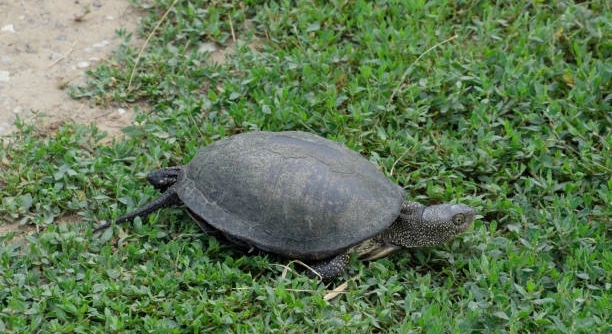
Your musk turtle’s habitat plays a key role in its well-being. If it’s been a while since you checked its living conditions, it may be time to assess whether an upgrade is necessary.
Over time, a musk turtle’s habitat may need an upgrade to maintain optimal conditions for its health. Common signs include poor water quality, inadequate heating, insufficient space, and poor lighting. Addressing these issues can improve the turtle’s overall environment.
An upgrade may improve your turtle’s environment, benefiting its health. Keep reading to learn the signs that indicate your turtle’s habitat needs attention.
1. Poor Water Quality
Water quality is one of the most important factors for a healthy musk turtle. If the water in the tank is dirty or murky, it could be a sign that the filtration system isn’t working properly. When the water isn’t kept clean, bacteria can build up, which can lead to illness. It’s important to change the water regularly and ensure that the filter is appropriately sized for the tank. This will help maintain water quality and prevent potential health problems.
A dirty tank can stress your turtle and lead to skin infections or respiratory issues. A clean and filtered environment will keep your turtle happy and healthy.
You should check the water temperature as well. If the water is too cold or too hot, it could harm your turtle’s health. Installing a reliable thermometer in the tank can help you monitor water temperature and make necessary adjustments.
2. Inadequate Heating
Musk turtles are cold-blooded, meaning they rely on external heat sources to regulate their body temperature. A habitat without a proper heating element can cause your turtle to become sluggish or even ill. If the basking area doesn’t have enough warmth, your turtle won’t be able to digest food properly or get the necessary UVB exposure.
To ensure proper heating, use a reliable aquarium heater and provide a basking light with a UVB bulb. The basking area should be warm, while the water temperature should stay consistent with your turtle’s needs.
A proper heating setup helps your turtle thrive by mimicking the natural environment. Too much heat or too little can result in stress or health issues. Reassessing your heating setup is key for the overall well-being of your turtle. If it’s been a while since you’ve updated the heating equipment, now might be the right time to do so.
3. Insufficient Space
If your musk turtle’s tank feels cramped, it’s time for an upgrade. A tank that’s too small limits your turtle’s ability to swim and explore, leading to stress and poor health. Providing more space gives your turtle the room it needs to stay active and healthy.
Turtles need space to swim, bask, and move freely. A cramped environment can cause behavioral issues like constant hiding or pacing. Consider upgrading to a larger tank that allows your turtle to stretch its legs and swim comfortably. The more space you offer, the better your turtle will adapt and thrive.
Ensure your tank has areas designated for swimming and basking. Having enough space for both activities encourages your turtle to stay active, which is essential for its physical health. Avoid overcrowding with other animals to ensure your turtle has enough room to grow and explore without stress.
4. Inadequate Lighting
Proper lighting is essential for your turtle’s health, particularly UVB lighting. Without adequate UVB exposure, your turtle may suffer from shell deformities or metabolic bone disease. Ensure the lighting system mimics natural sunlight, providing the necessary UVB rays for your turtle’s well-being.
Your turtle’s habitat should have both UVB and heat lamps. The UVB light helps your turtle metabolize calcium and absorb essential nutrients. Without this, your turtle may experience growth issues and weakened bones. A reliable UVB bulb should be replaced every 6 to 12 months to maintain effectiveness.
Keep the basking area under the light source at a comfortable temperature, and provide a shaded area to allow your turtle to regulate its exposure. Both lighting and heat are crucial for your turtle’s overall health. If the lights are inadequate or outdated, replacing them with new equipment can make a significant difference in its well-being.
5. Lack of Hiding Spots
Turtles need hiding spots to feel secure in their habitat. Without places to retreat, your turtle may feel stressed and exposed. Adding hiding spaces, such as rocks or aquatic plants, helps your turtle feel more comfortable.
Create areas where your turtle can retreat when it feels threatened or needs rest. This will promote healthy behavior and reduce stress. You can use decorations that are easy to clean and maintain while offering plenty of hiding spots for your turtle to use.
If your turtle feels safe and secure, it will be more active and less likely to display signs of stress, such as excessive swimming or hiding in one spot for too long.
6. Inadequate Substrate
The substrate, or bottom material, in your turtle’s tank plays a key role in maintaining a healthy environment. Gravel, sand, or bare-bottom tanks can all work, but they should be cleaned regularly to prevent bacteria buildup. The substrate should also be comfortable for your turtle to walk on.
Certain types of substrate, like small gravel or sharp objects, can hurt your turtle’s feet or get ingested by accident. Consider using smooth river rocks or a soft sand substrate that is easy to clean and safe for your turtle. Regularly change the substrate to ensure cleanliness and prevent health issues.
By maintaining an appropriate substrate, you reduce the chances of infections, abrasions, or digestion problems from eating the wrong material. It also keeps the water quality stable, as it will absorb some of the waste produced. Keeping the tank clean is essential for your turtle’s well-being.
7. Overcrowding
Overcrowding your turtle’s tank with too many animals can create an unhealthy environment. Too many animals in the tank can lead to aggression, stress, and poor water quality. Ensure that your turtle has enough space to move freely without competition.
If you plan to add other animals to the tank, research species compatibility to ensure everyone gets along. Avoid keeping too many turtles together, as they may compete for resources, like basking space and food. Healthy living conditions mean less stress and better health for your turtle.
FAQ
How often should I clean my musk turtle’s tank?
You should clean your musk turtle’s tank at least once a week. This includes changing the water, cleaning the filter, and wiping down any surfaces that may have algae or debris. However, if the water looks murky before the week is up, a more frequent cleaning may be needed. A clean tank helps maintain water quality and keeps your turtle healthy.
What is the ideal tank size for a musk turtle?
A musk turtle should have a tank of at least 40 gallons for one turtle. If you plan to keep more than one, you’ll need a larger tank—generally about 10 gallons of space for each additional turtle. The tank should provide enough room for your turtle to swim, bask, and explore without feeling cramped.
Do musk turtles need a basking area?
Yes, musk turtles require a basking area. It’s essential for them to dry off and regulate their body temperature. The basking area should have a heat source and a UVB light to help with calcium absorption and overall health. The basking platform should be large enough for your turtle to comfortably sit on without feeling crowded.
What temperature should the water be for a musk turtle?
The water temperature should be between 75°F to 80°F (24°C to 27°C) for a musk turtle. The basking area should be warmer, around 85°F to 90°F (29°C to 32°C). Make sure to use a reliable aquarium thermometer to monitor these temperatures consistently. Proper water temperature is important for your turtle’s metabolism and overall health.
How long do musk turtles live in captivity?
Musk turtles typically live between 20 to 30 years in captivity when provided with the right care. Some can live even longer, depending on their environment and the level of care they receive. A proper diet, clean water, and a suitable habitat can help extend your turtle’s life.
What should I feed my musk turtle?
Musk turtles are omnivores, so they eat a variety of foods. Their diet should include commercial turtle pellets, leafy greens, and occasional protein like live insects, small fish, or shrimp. You can also offer them vegetables such as squash and carrots. Always provide fresh food and remove any uneaten portions to prevent water contamination.
How can I tell if my musk turtle is sick?
Signs of illness in a musk turtle may include lack of appetite, lethargy, abnormal swimming behavior, or shell discoloration. If your turtle’s eyes appear swollen or cloudy, it may be suffering from an infection. Any change in behavior or appearance should prompt a visit to a reptile vet for an accurate diagnosis.
Can musk turtles live with other animals?
Musk turtles can live with certain species, but it depends on the size of the tank and the compatibility of the animals. It’s best to keep them with other non-aggressive species that won’t compete for resources. Avoid keeping musk turtles with fish that are small enough to be eaten. Research the species you wish to add to the tank to ensure compatibility.
Do musk turtles need UVB light?
Yes, UVB light is essential for musk turtles. It helps them metabolize calcium, preventing diseases such as metabolic bone disease. The UVB light should be on during the day for about 10 to 12 hours, mimicking the natural daylight cycle. Ensure the light is replaced every 6 to 12 months to maintain effectiveness.
Can I use a regular light bulb for my musk turtle’s basking area?
A regular light bulb is not sufficient for your turtle’s basking area. You need a basking lamp with heat and UVB light to provide the necessary warmth and radiation for your turtle’s health. The heat source should keep the basking area at the appropriate temperature, around 85°F to 90°F (29°C to 32°C).
How do I prevent algae growth in my turtle’s tank?
Algae can grow in your turtle’s tank if the lighting is too strong or the water isn’t changed frequently enough. To prevent algae buildup, reduce the amount of light your tank receives and ensure proper filtration. Regular water changes and cleaning can also help reduce algae growth and maintain a clean tank.
Why does my musk turtle bask so much?
Musk turtles bask to regulate their body temperature and absorb UVB rays, which are essential for their health. If your turtle is basking more than usual, check the temperature of the water and basking area. Overbasking can also be a sign of stress or an unbalanced habitat, so ensure your tank is set up correctly.
How often should I replace the UVB light bulb?
UVB bulbs should be replaced every 6 to 12 months, as their effectiveness diminishes over time. Even if the bulb still emits visible light, it may not be providing enough UVB radiation to benefit your turtle. Regularly replacing the bulb ensures your turtle gets the full spectrum of light needed for optimal health.
Can I feed my musk turtle live fish?
Yes, you can feed your musk turtle live fish, but make sure they are appropriately sized and safe for your turtle to eat. Avoid feeding wild-caught fish, as they may carry diseases or parasites. You can also offer feeder fish like minnows or guppies, which are available at pet stores.
Is it okay for my musk turtle to be outside?
Musk turtles can spend time outside in a safe, enclosed area with access to water and basking spots. However, outdoor time should only occur when the weather is warm and there are no predators. Ensure the enclosure is escape-proof and provides a secure environment for your turtle to enjoy.
What is the best way to handle my musk turtle?
Handling a musk turtle should be done with care. It’s best to handle them gently and for short periods to avoid stress. Never grab them by the tail, as this can cause injury. If you need to pick up your turtle, support its body with both hands, being mindful of its shell.
Can I keep a musk turtle in a fish tank?
While it’s possible to keep a musk turtle in a fish tank, it’s important to ensure that the tank is large enough and equipped with the necessary filtration, heating, and UVB lighting. Fish tanks often have decorations that may not be suitable for turtles, so make sure the setup is designed for a turtle’s needs.
Final Thoughts
Caring for a musk turtle requires attention to detail, but the effort is well worth it. From choosing the right tank size to maintaining the water quality, there are several factors that need to be considered to ensure your turtle remains healthy and happy. By providing an appropriate habitat with clean water, a basking area, and proper lighting, your musk turtle can thrive for many years. It’s important to stay consistent with routine care and observe any changes in behavior or appearance to address issues early.
While musk turtles are relatively low-maintenance pets compared to some other animals, they do have specific needs that must be met. Their diet should be balanced, offering a mix of commercial pellets, vegetables, and protein-rich foods. Regular water changes and tank cleaning will help prevent disease and keep your turtle’s environment safe. It’s also important to keep their basking area warm and well-lit, which contributes to their overall well-being and ensures they can absorb the necessary UVB rays for healthy shell development.
Ultimately, taking care of a musk turtle can be a rewarding experience. With the right knowledge and commitment, you can provide them with a long and healthy life. As you monitor their health and adjust their habitat as needed, you’ll also develop a deeper connection with your pet. While they may not be as interactive as some other pets, musk turtles have their own charm and unique needs, making them an interesting and low-maintenance addition to any home.

Hello,
If you enjoy the content that we create, please consider saying a "Thank You!" by leaving a tip.
Every little bit helps us continue crafting quality advice that supports the health, happiness, and well-being of pets around the world, for pets of all shapes, sizes, and species.
We really appreciate the kindness and support that you show us!