
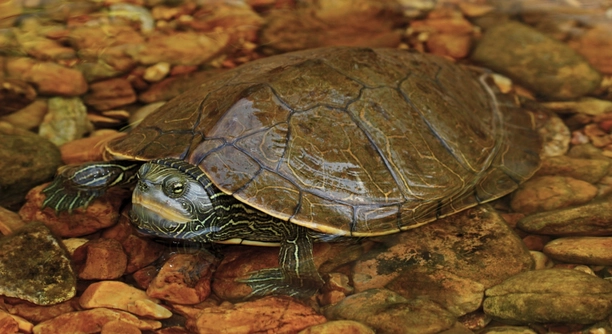
When building a bond with your pet map turtle, understanding the signs of trust is key. As you spend more time with them, it becomes easier to recognize these subtle behaviors and gestures that reflect their comfort level.
Map turtles display certain behaviors to show trust in their owners. These signs include following their movements, accepting handling without stress, and eagerly anticipating feeding times. A turtle’s behavior will also indicate when they feel secure in their environment.
Recognizing these signs will help strengthen the bond you share with your map turtle and ensure they feel safe and loved.
Your Turtle Recognizes Your Presence
Map turtles are known to be independent creatures, but they also become accustomed to their owners. Over time, they begin to recognize your voice, scent, and even the sound of your footsteps. When your turtle acknowledges your presence, it is a clear sign they are starting to trust you. They may swim towards the glass or wait for you at their favorite spot when they sense you nearby.
This behavior shows they are not only familiar with you but also feel comfortable enough to approach.
It’s important to allow them time to adjust to your presence at their own pace. Some turtles may be more cautious, taking longer to approach or interact. As they grow more comfortable, you might notice them staying near you, observing your movements without retreating to their hiding spots. These interactions are positive signs of trust and indicate that your turtle feels safe in your care. It’s essential to respect their space and avoid forcing any interactions, as this can harm their progress in building trust.
Your Turtle Feels Safe Around You
When a map turtle feels safe, they begin to exhibit relaxed body language. A turtle that is calm and confident in their surroundings is a sign that they trust the environment you’ve provided.
Turtles that feel secure will bask in the open, even when you’re close. They will no longer hide immediately at your approach, as they feel no threat. Their relaxed state, visible through slow, deliberate movements or a calm basking posture, indicates comfort with their environment. This trust is built through consistency in care, making sure their habitat remains stable, and that you are a reliable presence.
This sign of trust is incredibly rewarding because it shows that your turtle has adapted to their surroundings. Map turtles are naturally cautious, and any sign of relaxation should be recognized as a meaningful milestone. The more secure they feel in their habitat, the more likely they will display these comforting behaviors, signaling their growing trust. It’s an important part of their development and enhances the bond between you and your pet.
Your Turtle Will Approach You
As trust builds, your map turtle will start to approach you, whether it’s during feeding or while you’re nearby. Initially, they may be more cautious, but as they grow accustomed to your presence, they’ll move closer. This is a strong indication of trust.
At first, your turtle may retreat when you move too quickly or make sudden gestures. Over time, as they recognize your routine, they’ll feel less threatened and may swim towards you. This behavior suggests that they trust your presence and that they see you as a familiar part of their environment. By remaining calm and steady in your actions, you allow them to feel more comfortable and secure.
As their trust continues to grow, they may even start to seek you out. This is especially common during feeding time, when your turtle associates you with their meals. Your turtle’s willingness to come closer to you signals a growing bond, one that develops over time and with consistent care. It’s essential to create a routine that fosters this trust, as it ensures the relationship between you and your turtle continues to flourish.
Your Turtle Is Curious About You
Map turtles are naturally curious, and when they trust you, they’ll start to show interest in your movements and activities. If they regularly observe you, this curiosity is a sign that they feel comfortable and are seeking to connect with you.
When your turtle watches you with focus, they are showing signs of trust and comfort. This is more than just a passive behavior; they’re actively engaging with you. Their eyes may follow your hand movements, or they might swim closer when you’re near. Over time, this curiosity can evolve into more direct interactions, such as approaching the surface or responding to your voice.
It’s important not to overwhelm your turtle with too much interaction too quickly. Let them set the pace of these exchanges. If they seem to enjoy watching you, continue to create a calm and inviting environment. This is the foundation for building a stronger relationship with your turtle. Their curiosity will gradually lead them to trust you even more, and eventually, they may initiate contact in subtle ways. The key is consistency and patience in allowing this natural curiosity to grow.
Your Turtle Is Comfortable Being Handled
As your map turtle becomes more comfortable, they may allow you to handle them. At first, they might resist or pull away, but with time, they’ll accept gentle handling. This trust grows when they see you as non-threatening.
It’s important to handle them gently and with care. Avoid grabbing or holding them too tightly, as it can cause stress. Let them become familiar with your touch over time, and allow them to adjust at their own pace. Handling them too soon or too forcefully can damage the trust you’ve built.
The more often you handle your turtle, the more accustomed they will become to being touched. This helps them feel safe and secure in your presence. It’s a positive step in developing a deeper bond. By continuing to treat them with patience and respect, you’ll notice that their trust grows stronger.
Your Turtle Shows Affection
Some map turtles will show affection by seeking out your touch or even nuzzling your hand. This is a rare but clear sign of trust. When they seek physical contact, it indicates a deeper bond.
Although not all turtles will express affection in this way, those that do are showing a level of comfort with you that goes beyond just being familiar. They’re actively seeking interaction and connection. As you spend more time together, these moments of affection can become more frequent, demonstrating the strong bond you’ve built.
Their willingness to engage in these subtle ways reveals that they not only trust you but are beginning to develop a sense of attachment. Your map turtle’s actions show that they feel safe in your care, and this trust can continue to grow with time. Keep providing them with a stable and secure environment to nurture this relationship further.
Your Turtle Displays Relaxed Body Language
When your map turtle is at ease with you, they will exhibit relaxed body language. Their movements become slower and more deliberate, reflecting a calm and secure state. This shows trust.
Turtles are often cautious, but when they are comfortable in their environment, they begin to relax. A turtle that remains calm in your presence, without retreating to a hiding spot, is a sign they trust you. Their relaxed state is also visible when they bask for extended periods or swim leisurely. It’s important to continue providing a peaceful environment to maintain this level of trust.
FAQ
How can I tell if my map turtle trusts me?
Trust in map turtles is shown through their actions. If your turtle approaches you when you’re nearby, doesn’t retreat when you move, and engages with you during feeding time, it’s a sign of trust. They may also start to recognize your voice and the rhythm of your routine. A more relaxed turtle, who basks in the open and remains calm in your presence, is showing that they feel comfortable and safe with you.
How long does it take for a map turtle to trust you?
The time it takes for a map turtle to trust you can vary depending on the individual turtle. It may take weeks or even months, especially if the turtle is new to your care. Consistency is key. If you handle them gently, feed them regularly, and provide a stable environment, they will gradually build trust over time. It’s important to give them space and let them get comfortable at their own pace.
What can I do to build trust with my map turtle?
To build trust with your map turtle, spend time with them regularly. Keep their habitat clean and their environment stable. Approach them calmly and avoid sudden movements. If they are shy or cautious, give them time to observe you from a distance. Consistently offering food at the same time each day helps them associate you with positive experiences. Avoid forcing interactions, and let the turtle approach you when it feels ready.
Is it normal for my map turtle to be shy at first?
Yes, it’s completely normal for map turtles to be shy, especially when they are in a new environment or haven’t interacted much with humans. Turtles are naturally cautious creatures, and it takes time for them to feel safe. Allow your turtle to adjust at its own pace, and avoid rushing the process. Over time, as they become more familiar with their surroundings and you, they will likely become more comfortable.
Can I speed up the process of earning my turtle’s trust?
While you can’t rush the process of building trust, you can encourage it by being consistent and patient. Gently handle your turtle, avoid startling them, and create a calm environment. Regular feeding times and keeping their habitat clean also help them feel safe. Spending quality time with your turtle will eventually build their confidence. Remember, forcing trust will only make them more hesitant, so take your time and allow the process to unfold naturally.
How do I know when my turtle is stressed?
Signs of stress in map turtles can include hiding, swimming erratically, or refusing to eat. If your turtle hides in their shell when you approach or exhibits defensive behavior, they may be feeling stressed. Changes in their behavior, such as excessive basking or lethargy, can also indicate stress. It’s important to observe your turtle’s habits and try to identify any stressors in their environment. Ensure their habitat is stable and that they’re not being handled too much.
What are the best practices for handling a map turtle?
When handling a map turtle, always be gentle and supportive. Use both hands to lift them, avoiding sudden movements. Never grab or squeeze them, as this can cause stress or injury. Allow your turtle to walk onto your hands if they’re willing, and support their shell with care. Handle them only when necessary, and always return them to their habitat afterward. Consistent and gentle handling will help your turtle become more accustomed to you.
Can I train my map turtle to recognize me?
Yes, you can train your map turtle to recognize you. Start by establishing a regular feeding routine. Speak softly to your turtle when you approach, and avoid sudden movements that might startle them. With repetition, your turtle will begin to associate your presence with positive experiences, such as feeding or care. Over time, your turtle may begin to approach you or look for you when they hear familiar sounds, indicating recognition.
Should I worry if my turtle isn’t showing signs of trust?
If your turtle isn’t showing signs of trust, don’t worry too much. Every turtle is different, and some may take longer to warm up to their owners. As long as they are healthy, eating well, and engaging in natural behaviors, it’s likely just a matter of time before they begin to trust you. Make sure their habitat is stress-free and stable, and give them plenty of time to adjust. Avoid forcing interaction and allow them to come to you on their own.
How do I maintain the trust my turtle has in me?
Maintaining trust with your map turtle requires consistency and care. Keep their environment stable by maintaining proper water temperatures, lighting, and humidity. Handle them gently and avoid sudden movements that might startle them. Continue with regular feeding routines, and offer them time to bask or explore at their own pace. Regular, calm interactions will ensure that your turtle’s trust in you remains strong.
Can I bond with my map turtle if I have multiple turtles?
Yes, you can bond with your map turtle even if you have multiple turtles. However, keep in mind that some turtles may be more social than others. Spend time with each turtle individually if possible, offering attention and food. This will help you understand each turtle’s behavior and strengthen your bond. While some turtles may form a stronger attachment, all can learn to trust you with patience and consistency.
How can I tell if my turtle is feeling comfortable in its habitat?
A comfortable map turtle will be active and move freely around their habitat. They will bask regularly and eat without hesitation. If your turtle spends time swimming, basking, or exploring their tank, it’s a good sign they feel secure. A comfortable turtle will also exhibit relaxed body language, such as slow movements and a calm demeanor. If your turtle is hiding too much or appears lethargic, there may be an issue with their environment that needs to be addressed.
Final Thoughts
Building trust with a map turtle can take time, but the process is well worth it. Map turtles, like many reptiles, have their own personalities, and some may take longer than others to show signs of trust. It’s important to remember that patience and consistency are key. The more time you spend with your turtle, the more they will begin to recognize you and associate your presence with positive experiences. This gradual process is vital to forming a bond and ensuring your turtle feels safe and comfortable in your care.
While it may take time for your turtle to fully trust you, the signs of trust are usually clear. If your turtle is actively seeking your presence, approaching you without fear, or engaging with you during feeding, these are all positive indicators. Over time, you will learn more about their specific behavior and preferences, allowing you to adjust how you interact with them. Trust-building requires a calm, consistent approach, free from abrupt movements or loud noises, as turtles are sensitive to stress and discomfort. Understanding your turtle’s body language and behavior will help you foster a healthy and trusting relationship.
Remember that trust is not built overnight. Some turtles may require more time to adjust to their new environment, while others may quickly warm up to you. Always respect their space and allow them to set the pace. Even when trust seems slow to develop, as long as your turtle’s health is in good condition and they are not showing signs of stress, it’s just a matter of time. By providing a stable environment, handling your turtle gently, and maintaining a regular routine, you’ll eventually build the trust necessary for a strong and lasting bond with your map turtle.

Hello,
If you enjoy the content that we create, please consider saying a "Thank You!" by leaving a tip.
Every little bit helps us continue crafting quality advice that supports the health, happiness, and well-being of pets around the world, for pets of all shapes, sizes, and species.
We really appreciate the kindness and support that you show us!