
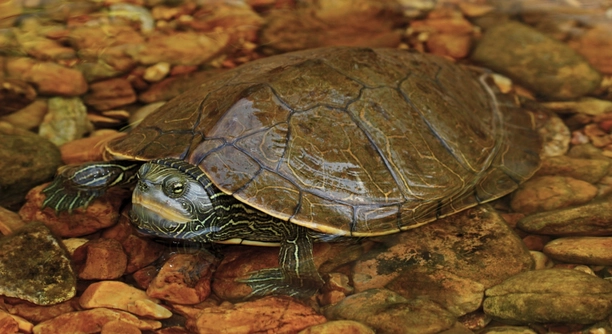
Map turtles thrive in specific environments that cater to their needs. Recognizing the signs that your map turtle is happy and healthy will help ensure it continues to live a full and enriched life.
Proper environmental conditions, such as suitable water temperature, basking areas, and appropriate diet, significantly affect the well-being of map turtles. Key indicators of a thriving turtle include active behavior, healthy skin, and consistent eating habits.
These signs will guide you in assessing your turtle’s health, ensuring it enjoys a comfortable, sustainable habitat for years to come.
1. Active and Playful Behavior
When your map turtle is thriving, it will show signs of being active and playful. A healthy turtle is often seen swimming around, exploring its environment, and basking regularly. Active behavior indicates that your turtle feels safe and comfortable in its habitat. If your turtle appears sluggish, it may be a sign of an issue, such as an improper temperature or poor water quality.
Regular basking is another indicator of a healthy turtle. Map turtles bask to regulate their body temperature and absorb essential UVB light. If your turtle is basking for long periods, it’s a good sign that its habitat is well-suited to its needs.
It’s important to note that active behavior also includes hunting for food. Map turtles are naturally curious and enjoy foraging for live food, like insects or small fish. If you see your turtle eagerly searching for meals, it’s likely a sign of its good health and comfort in its surroundings.
2. Clear, Smooth Skin
Clear and smooth skin is another key sign of a thriving map turtle. When map turtles are in optimal health, their skin will appear smooth, free of any blemishes or abnormal growths. A turtle with rough, discolored, or flaky skin could be dealing with environmental stressors, such as poor water quality or incorrect basking conditions.
To keep your turtle’s skin healthy, it’s important to maintain the proper balance in its habitat. Water temperature should be regulated, and regular tank cleaning is crucial. A dirty tank can lead to skin infections or other health issues for your turtle.
Healthy skin is also linked to proper diet and hydration. Turtles need a balanced diet that includes protein, greens, and occasional calcium supplements. Be sure to feed your turtle a variety of foods to support its overall health, especially during its growth stages. This will help prevent skin problems and support a long, happy life.
3. Consistent Eating Habits
A thriving map turtle will have consistent and healthy eating habits. It’s a good sign when your turtle actively hunts for food and eats without hesitation. A loss of appetite or refusal to eat for extended periods can indicate an issue with its environment or health.
When feeding your turtle, offer a variety of food to ensure a balanced diet. Map turtles are omnivores, so they need both plant-based foods and animal protein. Fresh greens, small fish, and aquatic insects should be part of their daily meals.
If your turtle’s eating habits change, consider possible environmental factors. Changes in water quality, lighting, or temperature can directly affect its appetite. Make sure your turtle’s habitat stays clean and well-maintained to avoid disruptions in its eating behavior.
4. Healthy Shell Appearance
A healthy map turtle will have a strong, well-maintained shell. The shell should be smooth, free of cracks, and not show signs of scarring or damage. It’s normal for turtles to have some natural wear, but major damage is a red flag.
The condition of the shell reflects the overall health of your turtle. If it appears soft, pitted, or discolored, it may be suffering from an imbalance in its diet or environment. Calcium deficiencies are a common cause of weak shells.
Ensure your turtle has access to UVB light for proper calcium absorption. You can also supplement its diet with calcium-rich foods, such as leafy greens and calcium blocks. Regular care and maintenance of the habitat will help keep your turtle’s shell in top shape.
5. Vibrant Coloration
Healthy map turtles display vibrant coloration. Their shells should have rich patterns, and their skin should be a mix of green, brown, and yellow. Faded or dull coloring can be a sign of stress, illness, or poor environmental conditions.
Consistent exposure to UVB light is necessary to maintain healthy skin and shell coloration. Without it, turtles can become lethargic and their natural hues can fade. Regular tank cleaning also helps maintain the water quality, which in turn supports healthy color.
6. Regular Basking Habits
Basking is crucial for map turtles to regulate their body temperature and absorb UVB rays. A turtle that consistently basks is a good sign of a thriving environment. It’s essential to provide a clean, accessible basking area where your turtle feels comfortable.
A proper basking spot should have both warmth and UVB lighting to meet your turtle’s needs. If your turtle avoids basking, it may indicate an issue with temperature or lighting. Adjust the conditions to ensure it’s in an optimal environment for health.
7. Proper Swimming Patterns
A healthy map turtle should swim in a relaxed, steady manner, without struggling or showing signs of discomfort. If your turtle’s swimming seems erratic or labored, it could be a sign of an underlying health issue or poor water conditions.
Make sure the water in your turtle’s tank is clean and properly filtered. If there are visible signs of algae or dirt in the water, it can cause stress and disrupt swimming patterns. Keep the water temperature consistent and check the water’s pH to ensure it’s balanced.
FAQ
How often should I clean my map turtle’s tank?
It’s important to clean your map turtle’s tank regularly to ensure a healthy environment. You should perform a full water change and clean the tank once a week. Additionally, spot clean any debris or leftover food daily. This will help maintain proper water quality and prevent bacterial growth.
What temperature should my map turtle’s water be?
Map turtles thrive in water temperatures between 75°F and 80°F (24°C – 27°C). Maintaining a stable temperature within this range is essential for their overall health and activity levels. A water heater can help regulate the temperature. Ensure it’s not too hot or cold, as extreme changes can stress your turtle.
Can I feed my map turtle only commercial turtle food?
While commercial turtle food can be convenient, it shouldn’t be the only thing your turtle eats. Map turtles require a varied diet to stay healthy. Along with commercial food, offer live or frozen foods like small fish, shrimp, and insects, as well as plant-based foods like leafy greens and aquatic plants.
Do map turtles need a filter in their tank?
Yes, a filter is necessary to keep the water clean and clear. Map turtles are messy eaters, and their waste can quickly cloud the water if not filtered properly. A good filter helps maintain water quality by removing waste, debris, and harmful bacteria. It’s essential for keeping your turtle’s environment safe.
How much UVB light does my map turtle need?
UVB light is crucial for your turtle’s health as it helps them absorb calcium and maintain strong bones. Your map turtle needs 10-12 hours of UVB exposure each day. A UVB lightbulb should be placed above the basking area. Replace the bulb every 6-12 months, as UVB output diminishes over time.
Can I keep multiple map turtles in the same tank?
Yes, you can keep multiple map turtles in the same tank, but it’s important to consider the tank size and the turtles’ personalities. Map turtles can be territorial, and some may become aggressive, especially during feeding time or when competing for basking space. Ensure the tank is large enough to give them room to spread out.
What kind of substrate is best for a map turtle tank?
For the tank substrate, natural river rocks, sand, or fine gravel work well for map turtles. These options mimic their natural environment and provide a stable surface for them to move around. Avoid using sharp rocks or any material that could harm their soft underbelly or cause injury.
How do I know if my map turtle is stressed?
A stressed map turtle may show signs like erratic swimming, loss of appetite, hiding, or excessive basking. Stress can be caused by poor water quality, temperature fluctuations, improper lighting, or a crowded tank. It’s important to maintain a stable and clean environment to reduce stress.
Why does my map turtle bask so much?
Map turtles bask to regulate their body temperature and absorb UVB light. If your turtle is basking a lot, it’s likely trying to stay warm or get the UVB it needs for bone health. However, excessive basking could indicate a temperature issue or that it’s feeling stressed in the water.
What should I do if my map turtle is not eating?
If your map turtle stops eating, it could be a sign of stress, illness, or an inappropriate environment. Check the water temperature, lighting, and cleanliness of the tank. If everything seems fine, try offering a variety of food, including live food or greens. If it persists, consult a vet.
Can map turtles live in a tank without a basking area?
Map turtles need a basking area to stay healthy. They require the ability to haul out of the water to dry off, warm up, and absorb UVB light. A basking area helps with their overall health, shell maintenance, and stress reduction. Without a proper basking spot, they can become lethargic or even sick.
What is the best diet for my map turtle?
Map turtles require a balanced diet consisting of both plant and animal matter. Offer a mix of protein, like small fish or insects, and greens like kale, dandelion greens, or water plants. Occasionally, you can provide calcium supplements to support shell health. A varied diet ensures your turtle gets all the nutrients it needs.
Do map turtles need to be fed daily?
Young map turtles need to eat daily as they are still growing, but adult map turtles can be fed every other day. Make sure to feed them a variety of food and avoid overfeeding, as it can lead to obesity. Regular feeding schedules help maintain healthy eating habits.
How do I handle my map turtle?
Handling should be kept to a minimum to avoid stressing your turtle. When you do need to handle it, make sure to support its body, never pick it up by the tail, and avoid sudden movements. If you must handle your turtle, be gentle and ensure it feels secure.
Final Thoughts
Caring for a map turtle requires attention to their habitat, diet, and overall environment. Providing a clean and spacious tank with the right temperature, lighting, and filtration is essential for their well-being. It’s also important to feed them a varied diet, ensuring they get the right balance of protein, vegetables, and calcium. Regular care will help them thrive and prevent health issues. By keeping a close eye on their behavior and adjusting their environment when necessary, you can ensure they stay healthy and happy.
Monitoring your map turtle’s activity and physical appearance is a great way to gauge their health. Healthy turtles are active, eat regularly, and maintain vibrant coloring. If you notice any changes in their behavior or appearance, it’s important to address them promptly. Whether it’s adjusting the water temperature or providing more basking space, small changes can have a big impact on their overall health. Staying proactive with tank maintenance and diet will help prevent most issues before they become serious problems.
Finally, understanding the specific needs of map turtles can make the experience of caring for them much more rewarding. They may be relatively low-maintenance, but they still need a lot of care and attention to flourish. By providing the right conditions, maintaining a proper diet, and regularly monitoring their health, you’ll ensure that your turtle leads a long and healthy life. Patience and consistent care are key to being a responsible map turtle owner.

Hello,
If you enjoy the content that we create, please consider saying a "Thank You!" by leaving a tip.
Every little bit helps us continue crafting quality advice that supports the health, happiness, and well-being of pets around the world, for pets of all shapes, sizes, and species.
We really appreciate the kindness and support that you show us!