
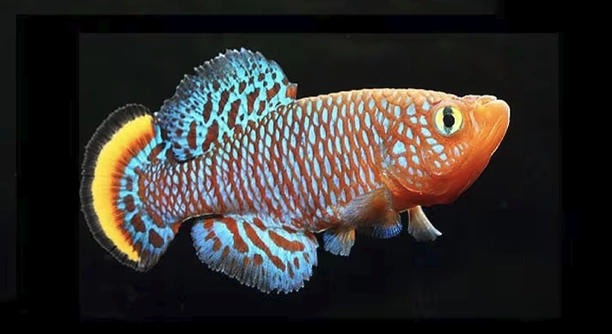
Many killis need the right amount of protein to stay healthy and active. When their diet lacks enough protein, they may show signs that something is wrong. Knowing these signs helps keep your fish thriving.
Killis require sufficient protein for growth, energy, and overall health. A protein deficiency can cause poor coloration, slow growth, weakened immunity, and unusual behavior, signaling the need to adjust their diet for optimal well-being.
Recognizing these signs early can help you improve your killis’ health and prevent long-term problems. This article will guide you through the key indicators of protein needs.
Poor Growth and Dull Colors
When your killis don’t get enough protein, one of the first signs is slow or stunted growth. You may notice that they don’t grow as fast as other fish or seem smaller than usual. Their colors can also become dull or faded. Protein is essential for developing their muscles and maintaining vibrant colors. Without it, their bodies can’t build or repair tissues properly. Over time, this can lead to weak fish that are more likely to get sick or stressed. Paying attention to growth patterns and color brightness helps you spot a protein shortage early. If you see these changes, it’s a good idea to adjust their diet with higher-protein food to support their health.
Protein is key for strong muscles and bright colors in killis. Lack of it shows quickly in their appearance.
Making sure your killis get enough protein means offering them a varied diet that includes live or frozen foods like brine shrimp, bloodworms, or high-quality pellets. These foods provide the essential amino acids killis need to grow and stay colorful. Feeding smaller portions multiple times a day can improve their digestion and nutrient absorption. Regularly observing their size and color will help you track their progress. This way, you can avoid long-term health problems caused by protein deficiency.
Changes in Behavior and Energy Levels
Low protein can cause your killis to act differently. They may become less active or seem tired more often.
When killis don’t get enough protein, their energy levels drop because protein helps fuel their bodies. They might hide more and swim less, which is unusual for normally lively fish. This drop in activity can also mean their metabolism is slowing down. A tired killis may stop eating well, making the problem worse. Watching how your fish behave can give important clues about their diet’s balance. If you notice less movement or less interest in food, it’s time to check what they’re eating. Adjusting their protein intake can help restore their energy and usual behavior quickly.
Weak Immune System
A lack of protein weakens your killis’ immune system. This makes them more likely to get sick and slow to recover from illness.
Protein is important for creating antibodies and repairing cells. Without enough, your killis can become vulnerable to infections and parasites. You might notice more frequent disease outbreaks or slower healing from injuries. Maintaining a high-protein diet helps keep their immune system strong and ready to fight off threats. Feeding a variety of protein-rich foods supports overall health and resilience. Regular care combined with good nutrition reduces the risk of serious health problems.
When killis have a weak immune system, even minor issues can become dangerous. Protein strengthens their defenses and helps them bounce back faster. Watching for signs of illness and adjusting their diet can prevent long-term damage. Consistent protein intake is essential for keeping your fish healthy and lively.
Unusual Swimming Patterns
Killis with protein deficiency often swim erratically or spend too much time near the bottom of the tank.
Low protein affects their muscle strength and energy, causing awkward or sluggish movements. You might see them struggling to maintain balance or swimming in circles. Sometimes, they may hover near the bottom or stay hidden for longer periods. These behaviors signal that their bodies aren’t functioning properly. Improving their diet with protein-rich foods can help restore normal swimming and energy levels. Watching for these changes early can prevent worsening health issues. Regular feeding with appropriate nutrition supports their natural, active behavior.
Loss of Appetite
Killis with low protein may lose interest in food. This can make their condition worse as they eat less.
A decreased appetite signals that their bodies are struggling to function properly. Without enough protein, energy levels drop and they may feel weak. It’s important to offer varied, high-protein foods to encourage eating and support recovery.
Fragile Fins and Scales
Protein helps repair and build tissues, including fins and scales. Without enough, these parts can become weak and damaged.
Fragile fins may look torn or ragged, while scales could lose their shine or fall off. Ensuring adequate protein intake helps keep their body strong and intact.
Difficulty Breathing
Killis needing more protein may show rapid or labored breathing. Protein shortage impacts muscle strength, including those used in breathing.
This makes their breathing irregular or strained, which can be a serious sign. Increasing protein in their diet can help improve their respiratory health and overall vitality.
FAQ
How much protein do killis need daily?
Killis need a balanced amount of protein depending on their age and size. Young or growing killis require more protein to support development, while adults need enough to maintain health. Typically, feeding them high-protein foods about 2–3 times a day in small portions works well. Overfeeding can cause water quality issues, so it’s important to feed just what they can eat within a few minutes.
What are good protein sources for killis?
Live or frozen foods like brine shrimp, bloodworms, and daphnia are excellent protein sources. High-quality pellets or flakes designed for carnivorous fish also provide necessary nutrients. Including a mix of these foods helps provide a variety of amino acids essential for their growth and health. Avoid relying only on one food type to prevent nutritional gaps.
Can killis get too much protein?
Yes, too much protein can harm killis. Excess protein leads to poor water quality because uneaten food and fish waste release ammonia. This stresses the fish and can cause illness. It’s important to feed the right amount and maintain regular tank cleaning to keep the environment healthy.
How soon will killis show improvement after increasing protein?
Most killis begin to show positive changes in energy and color within a week of diet adjustment. Growth improvements take longer, usually several weeks. Consistency in feeding and water care supports steady recovery. Patience is key, as fish need time to rebuild their strength.
Are plant-based proteins good for killis?
Killis are primarily carnivores, so plant proteins alone don’t meet their nutritional needs. While small amounts of plant matter can be part of their diet, animal-based proteins are essential for muscle and tissue development. Focus on animal protein sources for the best results.
What are signs of protein deficiency I might miss?
Subtle signs include slight dulling of colors, mild lethargy, or slower swimming. These can be easy to overlook but indicate the start of a problem. Regular observation helps catch these early. Maintaining variety and balance in feeding can prevent deficiency before it becomes severe.
Can poor water conditions mimic protein deficiency signs?
Yes, poor water quality can cause stress, illness, and behavior changes similar to protein deficiency. Always test water parameters regularly and maintain cleanliness. Good nutrition and water quality together keep killis healthy.
Is it necessary to supplement protein with vitamins?
Supplements can help but aren’t a substitute for a balanced diet. Most quality fish foods include necessary vitamins. If killis show signs of illness or poor growth, adding vitamins after consulting care guidelines can support recovery.
How to transition killis to a higher protein diet?
Gradually introduce new foods over several days to avoid digestive upset. Mix new protein-rich food with their current diet and increase the new food’s portion while reducing old food. Observe their response and adjust as needed for smooth transition.
What if my killis refuse high-protein food?
Try offering live foods first, as their movement often stimulates feeding. Warming frozen foods slightly can also help. If they still refuse, check water conditions and health, as sickness may reduce appetite. Sometimes patience and persistence pay off.
Final Thoughts
Making sure your killis get enough protein is important for their health and happiness. Protein supports their growth, energy, and overall well-being. When killis do not receive enough protein, you may notice changes like dull colors, slow growth, weak fins, or unusual swimming. These signs should not be ignored because they point to a diet that needs improvement. Providing a balanced diet with the right amount of protein helps keep your fish active and strong.
Feeding your killis a variety of high-protein foods like live or frozen brine shrimp, bloodworms, or specially made pellets is a good way to meet their nutritional needs. It is better to feed smaller portions several times a day rather than one large meal. This makes it easier for the fish to digest and absorb nutrients. Overfeeding or feeding poor-quality food can cause water problems and harm your fish. Keeping their environment clean and stable is just as important as feeding the right diet.
Watching your killis closely is key to spotting early signs of protein deficiency. Paying attention to their behavior, appearance, and appetite can help you make timely changes to their feeding. Protein needs can vary based on their age, size, and health condition. Adjusting their diet carefully will give them the best chance to grow well and stay healthy. A consistent, well-planned diet combined with good care will support your killis throughout their life, helping them thrive in your aquarium.

Hello,
If you enjoy the content that we create, please consider saying a "Thank You!" by leaving a tip.
Every little bit helps us continue crafting quality advice that supports the health, happiness, and well-being of pets around the world, for pets of all shapes, sizes, and species.
We really appreciate the kindness and support that you show us!