
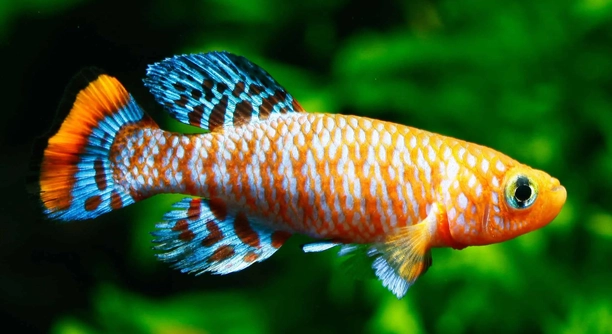
Is your killi tank looking a little less active lately, with your fish lingering near the surface or gasping more often than usual?
Killi fish tanks often suffer from low oxygen levels due to poor water movement, overstocking, or high temperatures. Recognizing the early signs of low oxygen is essential to prevent stress, illness, or death in your fish.
Learning how to spot these early signs can help you act quickly and keep your tank healthy and balanced for your killi fish.
Your Killi Fish Are Gasping at the Surface
When killi fish are frequently seen gasping at the surface, it often means there’s not enough oxygen in the tank. This behavior happens because the surface has slightly more oxygen than deeper parts of the tank. Still, this is not normal and should not be ignored. Surface gasping usually means that the water is not being circulated well or that waste levels are too high. It can also occur when the tank is overcrowded or the water temperature is too warm, since warmer water holds less oxygen. If left unaddressed, this condition can cause your fish stress, weaken their immune systems, and eventually lead to death. It’s important to act quickly by improving water flow, checking filter function, and performing partial water changes to restore balance in the tank. Adding a bubbler or air stone can also help raise oxygen levels more efficiently.
Surface gasping is one of the most visible signs of low oxygen in a fish tank.
Always watch for changes in your killi fish’s behavior. If they start gathering at the surface more often, check water conditions right away. Gasping at the surface should never be considered normal behavior, even for active fish. Proper water movement and cleanliness are key to preventing this issue.
Your Fish Are Staying Still and Lethargic
Lethargic killi fish often indicate poor oxygen levels in the tank.
Fish that usually swim actively may suddenly become sluggish and spend more time resting near the bottom or hiding behind plants. In low-oxygen environments, they reduce their movement to save energy. This is often accompanied by a loss of appetite and a lack of interaction with other fish. It’s easy to miss these signs because killi fish can be shy at times, but persistent inactivity is not typical. Once you notice changes in their normal activity, it’s important to test the water for oxygen levels, temperature, and ammonia. Addressing the problem may require adjusting the tank setup. Use a reliable filter that gently moves the water across the tank. Adding live plants can also help boost oxygen levels, especially if they are low-light species that don’t demand much care. Pay attention to any buildup of waste, uneaten food, or algae, as they can all contribute to poor water quality.
Your Fish Are Breathing Rapidly
Rapid gill movement is a clear sign that your killi fish are struggling to get enough oxygen from the water. Their gills may move faster than normal, even when they are not swimming or active. This often signals a drop in oxygen levels that needs to be corrected quickly.
When oxygen is low, killi fish begin to breathe faster to try and make up for it. This is a stress response and should be taken seriously. You might notice their gills pulsing or flaring more than usual. If left alone, this condition can wear them out and lower their immunity. It’s important to test for ammonia and nitrites, which can also irritate the gills. Keeping the tank well-aerated and clean helps avoid this issue. Adding a sponge filter or small air pump can improve oxygen without causing too much current, which killi fish usually dislike.
Fast gill movement is not normal behavior in a stable tank. If you spot this change, take action immediately. Start by checking your equipment to make sure water is circulating well. Then test the water quality using a reliable test kit. If needed, perform a partial water change. This will help reduce toxins and improve oxygen flow more quickly.
Your Fish Are Hanging Out at the Filter
Killi fish hanging near the filter outlet is usually a sign they are seeking areas with higher oxygen levels. Water near the filter tends to have more oxygen due to movement and surface agitation. When fish gather in that one spot, it may mean the rest of the tank lacks enough oxygen.
This kind of behavior can go unnoticed, especially if it looks like the fish are simply resting. However, killi fish are usually curious and active throughout their environment. If they suddenly crowd around the filter or spend all their time in the same small area, something may be wrong. Check for low water flow, high waste buildup, or even a clogged filter. These problems can quietly lead to oxygen drops. It helps to clean your filter regularly and make sure it’s running smoothly. Increasing surface movement and using live plants can also help keep oxygen levels steady.
Your Fish Are Less Interested in Food
Low oxygen levels can cause killi fish to lose interest in eating. If they usually rush to the top during feeding time but suddenly ignore food, this is not normal. Poor water quality and limited oxygen often affect their appetite.
Even high-quality food won’t help if the oxygen level is too low. Fish need oxygen to digest food properly, and when they are stressed, they tend to stop eating altogether. Watch for leftover food in the tank, as it can worsen water conditions quickly.
Your Plants Are Struggling Too
If your live plants look pale, droopy, or are shedding leaves, it may be a sign that your tank lacks oxygen. Healthy plants not only benefit from oxygen but also help maintain the tank’s balance. When oxygen is low, plants suffer too, especially if lighting and CO₂ levels are not adjusted. This affects the entire tank, making it harder for fish and plants to thrive. Improve aeration, trim dying leaves, and avoid overfeeding to support plant health. Plants can be a helpful sign when you’re unsure whether oxygen is low. Watch them closely along with your fish.
There’s a Film on the Water Surface
A thick film on the surface can block oxygen exchange. This buildup often comes from oils, uneaten food, or dust. Gently skimming the surface and improving surface movement can help break the film and allow more oxygen into the tank.
FAQ
How can I tell if my killi tank has low oxygen without using a test kit?
There are several signs that point to low oxygen even without a test kit. If your fish are gasping at the surface, hanging near the filter, or breathing quickly, oxygen may be low. You might also notice they are less active or not interested in food. Another clue is a buildup of film on the surface, which can block oxygen exchange. Plants looking unhealthy or showing signs of decay could also mean the tank’s oxygen levels are off. These signs are usually enough to warn you that your tank may need better aeration.
How often should I check oxygen levels in my tank?
It’s a good idea to check oxygen levels weekly if you have a heavily stocked tank or sensitive fish like killis. If your setup is stable, checking every two weeks can be enough. However, if you see changes in fish behavior or plant health, test right away. Temperature spikes, algae blooms, or filter issues can all lead to quick drops in oxygen. You don’t always need a fancy digital tester—test strips or liquid kits work well for regular checks. Being consistent will help you catch issues early and avoid stress on your fish.
What are some easy ways to add more oxygen to my tank?
Adding an air stone or sponge filter is one of the easiest ways to increase oxygen. These tools create bubbles that move the water and help with gas exchange at the surface. Another simple option is to increase your filter’s flow rate, if your fish are comfortable with it. You can also slightly lower the water level to boost surface movement. Avoid overfeeding and clean out waste regularly, as decay uses up oxygen. If you use live plants, choose ones that release oxygen during the day and don’t overcrowd them.
Do killi fish need a bubbler?
Killis don’t require a bubbler, but in tanks with poor circulation or warm water, a bubbler can help. These fish prefer calm water, so high flow rates from large filters aren’t ideal. A gentle air stone provides surface movement without stressing them. If your tank already has healthy plants, a working filter, and your fish show no signs of oxygen stress, a bubbler may not be needed. But in small or densely stocked tanks, it’s a useful tool to improve oxygen without creating strong currents.
Can too many plants lower oxygen levels?
Yes, especially at night. While plants release oxygen during the day through photosynthesis, they switch to using oxygen and releasing CO₂ at night. A heavily planted tank with poor water flow can end up with lower oxygen levels overnight. If your fish seem fine during the day but stressed in the morning, this could be why. Try keeping a balance of plant types and make sure your filter moves water across the whole tank. Using a timer for lights and not overstocking with plants helps prevent this issue.
Is warm water always bad for oxygen levels?
Warm water holds less oxygen than cooler water. This doesn’t mean warm water is always harmful, but it does mean you need to be more careful with oxygen levels in heated tanks. Killi fish often prefer warmer temperatures, so if your tank runs warm, good surface movement and light stocking become more important. Always avoid overfeeding, and keep your filter in good condition to avoid any extra strain on your fish. In the summer, keep tanks away from windows or heat sources to reduce the risk of oxygen loss.
Should I keep the lid off to increase oxygen?
Leaving the lid off can help slightly by allowing better gas exchange, especially if there’s a lot of surface film or heat buildup. However, this depends on your setup. Killis are known jumpers, so an open-top tank may not be safe unless you use a mesh cover. If your tank gets too warm, removing the lid can help with cooling and oxygen levels. But the best way to improve oxygen is still through water movement—air stones, sponge filters, and proper maintenance work more effectively than just removing the lid.
Final Thoughts
Keeping the oxygen levels right in your killi tank is important for your fish’s health and comfort. Killi fish are sensitive to changes in their environment, and even small drops in oxygen can lead to stress, illness, or unusual behavior. Watching how your fish act can give you early signs that something may be off. Gasping at the surface, fast breathing, or gathering near the filter are not things to ignore. These signs often point to low oxygen, and taking quick steps to fix the problem can prevent bigger issues later on.
Simple changes like adding an air stone, adjusting your filter, or doing regular water changes can make a big difference. Even checking for things like surface film or leftover food helps keep your tank cleaner and more balanced. You don’t need fancy tools to keep oxygen at a healthy level. Just being consistent with maintenance and observing your fish closely goes a long way. Remember that warmer water holds less oxygen, so if your tank runs warm, you may need to do a bit more to keep levels steady.
Low oxygen doesn’t always show up right away, but over time, it can lead to poor fish health and stress in the tank. Keeping a healthy balance between fish, plants, and water movement helps create a better home for your killi fish. You don’t need to aim for perfection—just stay aware of changes in behavior and water quality. When in doubt, take small, steady steps to improve your tank. Paying attention to these little signs can keep your fish more active, alert, and healthy for the long run.

Hello,
If you enjoy the content that we create, please consider saying a "Thank You!" by leaving a tip.
Every little bit helps us continue crafting quality advice that supports the health, happiness, and well-being of pets around the world, for pets of all shapes, sizes, and species.
We really appreciate the kindness and support that you show us!