
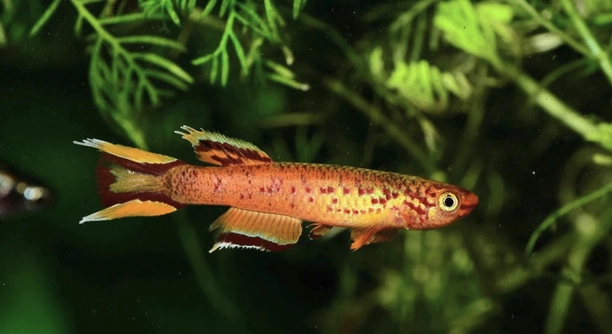
Killi fish are popular for their vibrant colors and lively behavior, but they need the right environment to thrive. Tank size plays a crucial role in their health and happiness. Recognizing when it’s time to upgrade can prevent many common problems.
Killi fish require adequate space to swim and grow, as cramped conditions lead to stress and poor water quality. Signs such as erratic swimming, faded colors, and increased aggression often indicate the need for a larger tank to support their well-being.
Knowing these signs early helps you provide the best care for your fish and maintain a healthy aquatic environment. This article will guide you through the key indicators your killi fish needs more room.
Reduced Swimming Space
Killi fish are active swimmers and need enough space to move comfortably. When their tank is too small, they can become stressed from restricted movement. This stress often leads to abnormal behavior like darting nervously or hiding too much. Limited swimming space also affects their physical health, reducing their muscle development and making them more vulnerable to disease. Additionally, a small tank can’t hold stable water conditions, which increases the risk of harmful toxins building up. Overcrowding in a tight space also leads to competition for food and territory, causing aggression. If you notice your killi fish frequently bumping into tank decorations or other fish, it is a strong sign that they need more room to swim freely. Upgrading to a larger tank will improve their overall quality of life by providing a healthier, more comfortable environment tailored to their natural behavior.
A bigger tank provides more open water, reducing stress and promoting natural swimming patterns for killi fish.
A spacious tank not only supports their activity but also enhances water quality, making it easier to maintain a stable and safe habitat. This prevents issues like ammonia spikes, which can harm your fish. More room also means you can add plants and hiding spots that mimic their natural habitat, helping them feel secure and less stressed. A larger environment encourages natural behaviors like exploring and socializing, improving their mental and physical health. Moving your killi fish to a tank that suits their size can extend their lifespan and keep their colors vibrant.
Faded Colors and Dull Appearance
When killi fish start to lose their bright colors and appear dull, it often indicates stress or poor living conditions. A cramped tank with limited space and poor water quality can make their natural colors fade. This change can also happen if the fish are constantly stressed by overcrowding or aggressive tank mates. Faded colors might seem like a minor issue but can be an early warning sign that the tank size is no longer suitable for their needs. Proper lighting and nutrition also affect coloration, but if those are well-managed, the tank environment is likely the cause. Watching for changes in appearance helps you act before the fish’s health declines further.
Dull colors usually signal an environment that no longer supports your killi fish’s health and well-being.
Ensuring the tank is spacious and clean can bring back the vibrant colors of your killi fish. Larger tanks promote better water circulation and filtration, preventing the buildup of harmful substances that stress fish. In a bigger environment, fish can also avoid constant confrontation with tank mates, reducing stress and allowing their true colors to shine. Paying attention to these changes early allows you to provide better care and keep your killi fish looking healthy and vibrant for years to come.
Increased Aggression and Territorial Behavior
Killi fish can become more aggressive when their tank is too small. Limited space makes it harder for them to establish personal territories, leading to fights. This behavior can cause injuries and stress.
Aggression usually increases because fish feel crowded and unable to escape each other. In a small tank, dominant fish may chase or nip weaker ones constantly. This ongoing conflict reduces their overall health and increases stress hormones, making them more vulnerable to illness. Providing a larger tank helps reduce aggression by giving fish enough room to establish separate territories and avoid frequent encounters. It also allows for more hiding places, which helps diffuse tension.
A bigger tank lets killi fish spread out and interact peacefully. It creates a balanced environment where fish are less stressed, healthier, and more social.
Frequent Water Quality Issues
Small tanks tend to have unstable water conditions, which can quickly harm killi fish. Limited water volume makes it easier for toxins like ammonia and nitrites to build up. Poor water quality stresses the fish and can cause disease.
In a cramped tank, waste products accumulate faster because there’s less water to dilute them. Filtration systems also struggle to keep water clean in smaller volumes. This creates a cycle where fish health declines, leading to more waste and toxins. Regular water changes help but may not fully fix the problem if the tank is too small. A larger tank provides a more stable environment with better dilution of harmful substances. It also improves oxygen levels and supports beneficial bacteria that break down waste naturally. Upgrading the tank size is an important step to maintain good water quality and protect your killi fish’s health.
Frequent Hiding
Killi fish may hide often if their tank is too small or stressful. Limited space leaves them feeling unsafe and overwhelmed.
When fish hide constantly, it usually means they need more room or better shelter. Increasing tank size and adding plants can help them feel secure and more comfortable in their environment.
Erratic Swimming Patterns
Erratic swimming, like sudden darting or crashing into the tank walls, can indicate stress from a cramped tank. These behaviors suggest the fish feel trapped or uncomfortable. Providing a larger tank allows smoother swimming and reduces anxiety by giving more space to move naturally.
Stunted Growth
Killi fish kept in small tanks often experience stunted growth due to limited space and poor water quality. Inadequate room restricts their ability to develop fully, and high toxin levels can impact their health negatively. Upgrading to a larger tank supports proper growth by providing a healthier, more stable environment.
Increased Disease Risk
Smaller tanks often increase the risk of disease because water quality can deteriorate quickly. Fish in cramped conditions are more vulnerable to infections and parasites. A larger tank helps maintain cleaner water and reduces stress, lowering the chances of illness.
FAQ
How do I know if my killi fish is stressed?
Signs of stress in killi fish include erratic swimming, hiding often, faded colors, and increased aggression. Stress can also lead to loss of appetite and weakened immune response. If you notice any of these behaviors, it may indicate the tank is too small or the environment isn’t suitable.
Can a small tank cause health problems for killi fish?
Yes, a small tank can cause several health issues. Limited space restricts movement, increasing stress and aggression. Poor water quality in small tanks leads to toxin buildup, which affects their immune system and growth. Over time, these factors can cause illness or shortened lifespan.
What is the ideal tank size for killi fish?
Generally, a tank of at least 10 gallons is recommended for a pair or small group of killi fish. Larger tanks are better to accommodate their swimming needs, provide stable water conditions, and reduce stress. The exact size depends on the species and number of fish.
How often should I upgrade my killi fish tank?
Upgrade the tank when your fish show signs of stress, aggression, or physical changes like stunted growth or faded colors. If the fish outgrow the current space or you want to add more plants and decorations, it’s a good time to move to a larger tank.
What water conditions do killi fish prefer?
Killi fish thrive in clean, well-filtered water with stable temperature and pH. They prefer slightly acidic to neutral water (pH 6.0-7.0) and temperatures between 70-75°F (21-24°C). Regular water changes and monitoring are essential to maintain good conditions.
Can I keep multiple killi fish in one tank?
Yes, but the tank size must be large enough to reduce territorial behavior. Overcrowding increases stress and fights. Provide plenty of hiding spots and plants to create territories. A larger tank helps maintain peace and a healthy environment for all fish.
What should I do if my killi fish is showing aggressive behavior?
First, check if the tank is large enough and has enough hiding places. Increasing tank size can reduce aggression by giving fish space to establish territories. Separate overly aggressive fish if necessary. Maintaining good water quality and reducing stress factors also help calm aggression.
How often should I clean my killi fish tank?
Partial water changes of about 25% should be done weekly to maintain good water quality. Clean the substrate and decorations carefully without disturbing beneficial bacteria. Avoid full water changes unless necessary, as this can shock the fish and disrupt the tank’s ecosystem.
Can tank decorations help reduce stress for killi fish?
Yes, adding plants, rocks, and hiding spots helps create a natural environment and reduces stress. These decorations provide shelter and break up the tank space, allowing fish to establish territories and feel safer. Avoid overcrowding the tank with too many decorations, which can limit swimming space.
What food is best for killi fish?
Killi fish eat small live or frozen foods like brine shrimp, daphnia, and bloodworms. High-quality flake or pellet foods designed for carnivorous fish can also be included. A varied diet ensures proper nutrition and keeps them healthy and vibrant.
How long do killi fish typically live?
With proper care and a suitable environment, killi fish usually live 2 to 3 years. Providing enough space, good water quality, and proper nutrition can help maximize their lifespan.
What are the consequences of ignoring tank size needs?
Ignoring the need for a bigger tank can lead to chronic stress, disease, stunted growth, and early death. Fish may become aggressive or lethargic, and their colors will fade. It’s important to respond to signs early to prevent long-term harm.
Can a bigger tank improve breeding success?
Yes, a larger tank offers better conditions for breeding by providing enough space for males and females to interact naturally. More hiding spots protect eggs and fry from being eaten. Stable water conditions in a bigger tank also increase survival rates for offspring.
How do I transition my killi fish to a bigger tank?
Set up the new tank with similar water parameters to avoid shock. Gradually acclimate the fish by floating their current container in the new tank or adding small amounts of new tank water to their old water. Avoid sudden changes to keep them calm and healthy.
Is it okay to keep killi fish with other species?
Killi fish can be kept with peaceful, similarly sized fish in a large tank. Avoid aggressive or much larger species that may bully or eat them. Ensure all fish have enough space and hiding places to reduce stress and conflict.
When keeping killi fish, tank size is a key factor in their health and happiness. A tank that is too small can cause many problems, such as stress, aggression, and poor water quality. These issues directly affect the fish’s well-being and lifespan. Providing enough space allows your killi fish to swim freely, display natural behaviors, and grow properly. It also helps maintain better water conditions, which reduces the risk of disease. Paying attention to signs that your fish need a bigger tank can prevent many avoidable problems.
Upgrading your tank when needed is an important part of responsible fish care. While it may require extra effort and investment, the benefits for your killi fish are clear. A larger tank creates a more stable environment with less buildup of harmful substances. It also gives your fish room to establish territories and reduces aggressive interactions. Many fish owners notice that their killi fish become more active, colorful, and healthy after moving to a bigger tank. Making this change early can help you avoid stress-related illnesses and give your fish the best chance to thrive.
In the end, ensuring your killi fish have adequate space shows good care and respect for their needs. Each fish is unique, so it’s important to watch their behavior and appearance closely. If you see signs like faded colors, hiding, or unusual swimming, it’s time to consider a larger tank. This simple step can improve their quality of life and create a more enjoyable aquarium experience for you. Keeping killi fish in the right environment helps them live longer, healthier lives and makes your aquarium a vibrant, lively space.

Hello,
If you enjoy the content that we create, please consider saying a "Thank You!" by leaving a tip.
Every little bit helps us continue crafting quality advice that supports the health, happiness, and well-being of pets around the world, for pets of all shapes, sizes, and species.
We really appreciate the kindness and support that you show us!