
Is your killi fish spending more time at the bottom of the tank or eating less than usual? Changes like these can often be linked to aging, especially if your fish has been with you for a while.
As killi fish grow older, they typically become less active, show duller colors, eat less, and may develop physical changes such as cloudy eyes or thinning fins. These signs are natural indicators of aging and not necessarily illness.
Noticing these changes early can help you adjust their care and improve their comfort in their final stages. Let’s look at what to expect as your killi fish ages.
Slower Swimming and Less Energy
Older killi fish tend to slow down. You might notice your fish spending more time resting near the bottom or moving gently instead of darting around like it used to. This reduced activity is a natural part of aging. Their metabolism slows, and they may not have the same energy levels they once did. In younger killi fish, swimming is fast and playful, but with age, that behavior often shifts. If your fish is still eating and responding normally to your presence, the slower movement likely means it’s just getting older. Avoid sudden changes to the tank environment and keep their routine steady. A calm space helps reduce unnecessary stress, which is important during this life stage. Also, ensure that tank mates aren’t bothering your older fish, as it may not be able to swim away as quickly as before. Peace and rest become more valuable with age.
Less movement doesn’t always mean your fish is sick. Sometimes, it’s simply a sign that age is catching up.
As your killi fish slows down, it’s helpful to make feeding time easier. You can place food in areas where the fish likes to rest or swim slowly. Also, consider using smaller or softer foods that are easier to eat. Some owners even hand-feed using tweezers if needed, though this depends on the fish’s comfort. Keep a consistent feeding schedule so your fish knows when to expect food. Lighting should remain soft and steady, as flashing lights can make an older fish feel overwhelmed. It’s also a good idea to keep the tank clean and reduce clutter. Older killi fish can become disoriented more easily, especially if their vision begins to fade. Providing open space without sharp decorations helps them move safely. Watch how your fish reacts to small changes and adjust care gently. These steps can make their daily routine more manageable.
Dull or Faded Colors
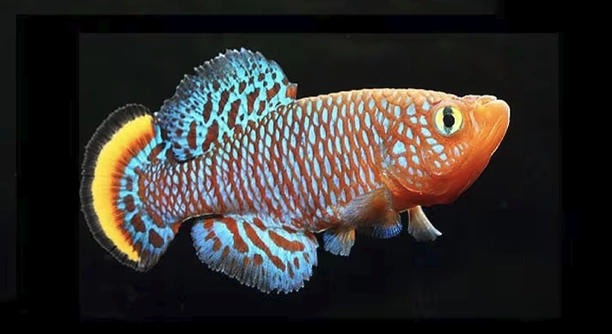
Killi fish often lose their bright colors as they age. What was once vibrant may now appear dull or pale.
This change in color doesn’t always mean something is wrong. For many aging killi fish, a faded appearance is simply part of growing older. Over time, pigments in the skin begin to weaken. Hormonal changes and reduced energy levels also play a role. If your fish is still eating, moving, and responding to its environment normally, color loss is usually harmless. That said, always rule out illness by checking for other symptoms like clamped fins, white spots, or frayed tails. Water quality can also affect appearance. Make sure ammonia, nitrite, and nitrate levels stay within safe ranges. Older fish are more sensitive to imbalances, and even small changes can affect their health. If color fades gradually over time without other issues, it’s likely just a sign of aging. Keep the environment clean and calm, and your fish will remain comfortable.
Eating Less Than Before
An aging killi fish may begin to eat less, even skipping meals now and then. This can be due to slower digestion, reduced energy needs, or mild discomfort that comes with age.
If your killi fish used to rush to the surface at feeding time and now takes longer or ignores food altogether, this is often normal for older fish. Their metabolism naturally slows, and they may no longer need as much food. It’s helpful to offer smaller portions and remove any uneaten food to keep the tank clean. Try softer or easier-to-eat options like crushed pellets or frozen brine shrimp. Keep an eye out for signs of illness, but don’t be alarmed by reduced appetite alone if everything else looks fine. Regular feeding times and calm surroundings can encourage your fish to continue eating even in its older stage.
You might notice your killi fish showing interest in food but not actively eating. Sometimes they approach the food and then drift away. This could be due to aging teeth or jaw discomfort. Older fish may also be slower to notice food, especially if their eyesight is fading. If that happens, try feeding them in a more focused area and turn off the filter briefly to keep the food from moving too quickly. Avoid overfeeding—too much uneaten food can quickly dirty the water and stress your fish further. Instead of feeding twice a day, once a day may be enough. Just be consistent. If your fish skips a meal once in a while, don’t worry. As long as there’s no visible weight loss or behavior change, smaller appetites are usually a natural part of aging.
Cloudy Eyes or Reduced Vision
Cloudy eyes can show up as your killi fish ages. It might not see food as clearly or bump into decorations more often. This is usually due to age-related changes and not always linked to disease.
If vision is reduced, avoid moving tank items around too often. Keep the layout simple and stable so your fish can navigate more easily. A calm setup helps reduce confusion and stress.
Thinning Fins or Ragged Edges
Older killi fish sometimes show wear on their fins. You may notice slight tearing, thinning, or a ragged look even if water quality is good and no tank mates are nipping. These changes can be part of aging, especially if they develop slowly without other symptoms. Clean water remains important—ammonia and nitrite should always be at zero. Keep up with regular water changes and avoid sharp tank decorations that might make the problem worse. Adding soft plants and wide swimming spaces also helps your fish move comfortably. If the fish is still active and eating, a little fin wear is often nothing to worry about.
Spending More Time Hiding
Spending more time in hiding spots or staying near corners can be a sign of aging. Older fish may feel safer in low-traffic areas, especially when they tire easily or have weaker vision.
How can I tell if my killi fish is really aging or just sick?
Aging and illness sometimes show similar signs, but there are ways to tell them apart. Aging usually brings slow changes like less activity, faded colors, or slight fin wear. Illness often comes with rapid changes such as sudden loss of appetite, clamped fins, visible spots, or heavy breathing. If your fish is eating, moving gently, and still responds to its environment, it’s likely aging normally. Keep watching closely for any quick or severe changes. Water quality problems can make both worse, so test your tank regularly and keep it clean. When in doubt, consulting a vet or experienced keeper can help confirm what’s going on.
Should I change my killi fish’s diet as it gets older?
Yes, older killi fish usually need smaller, softer foods because their digestion slows and their teeth might wear down. You can offer crushed pellets, frozen or live brine shrimp, or finely chopped bloodworms. Feeding smaller amounts more often rather than one large meal helps prevent waste and keeps the fish comfortable. Avoid hard or sharp foods that can irritate aging mouths. Also, maintaining a stable feeding schedule supports their routine, which is calming for older fish. Remember to remove uneaten food promptly to keep water clean and reduce stress on your fish.
Is it okay if my killi fish swims less than before?
Reduced swimming is common in older killi fish due to slower metabolism and less energy. It’s normal for them to rest more and explore less actively. However, watch for signs like staying still at the tank bottom, gasping at the surface, or floating oddly. These could indicate health problems rather than aging. Make sure the water temperature, pH, and cleanliness are within safe ranges, as older fish are more sensitive. Giving your fish a peaceful environment without aggressive tank mates can also help it feel safe and encourage gentle movement.
How often should I clean the tank for an aging killi fish?
Cleaning frequency should stay regular—usually weekly or every two weeks—depending on tank size and fish load. Older killi fish are more vulnerable to stress from poor water quality, so keeping ammonia and nitrites at zero is critical. Partial water changes of 20-30% are ideal to remove waste without disturbing beneficial bacteria. Avoid drastic changes in water parameters, as these can shock an aging fish. Removing leftover food daily prevents decay. If your tank has live plants, they can help absorb some toxins, making the environment healthier for older fish.
Can I keep my aging killi fish with other fish?
It depends on the temperament of tank mates. Older killi fish may become slower and less able to defend themselves. Aggressive or fast fish can stress or even harm them. Choose peaceful companions that won’t compete heavily for food or chase the older fish. Keeping fewer fish in the tank reduces stress and improves water quality. If your killi fish shows signs of hiding often or fin damage, it might be safer to house it alone or with gentle species. Always monitor interactions closely and separate fish if needed.
What signs mean it’s time to say goodbye to my killi fish?
When your fish shows long-term severe symptoms like constant lethargy, refusal to eat, severe fin rot, or difficulty swimming, it may be nearing the end of its life. Sometimes, despite your best care, the aging process leads to decline. Watching for pain signs—such as erratic swimming, heavy breathing, or discoloration—is important. It’s never easy to say goodbye, but recognizing when your fish is suffering allows you to make compassionate decisions. Providing a calm, clean environment until the end is the kindest way to support your pet.
Can I do anything to make my aging killi fish more comfortable?
Yes, simple steps can improve your fish’s quality of life. Keep the tank clean with stable water conditions. Use gentle lighting and avoid sudden changes in temperature. Provide soft plants or smooth decorations to prevent injury. Reduce tank activity by choosing peaceful tank mates or giving the fish its own space. Feed easy-to-eat foods in small portions regularly. Regularly observe behavior and adjust care as needed. These efforts help your fish stay calm and comfortable in its later years.
Will my killi fish live longer if I change its environment as it ages?
Significant changes to the environment can stress older fish, so it’s best to keep their surroundings stable. However, minor adjustments that improve comfort, like removing sharp decorations or adding more hiding spots, can be helpful. Avoid sudden water parameter shifts or aggressive tank mates. Focus on maintaining clean water, steady temperature, and a quiet atmosphere. These stable conditions help support your fish’s health naturally, without causing unnecessary stress.
Is it normal for my killi fish to lose weight as it gets older?
Some weight loss is common with age due to slower eating and digestion. But if weight loss is rapid or severe, it may signal illness or poor nutrition. Monitor your fish’s body shape and appetite closely. If your fish looks sunken or thin, consider testing water quality and offering softer, nutritious foods. Sudden changes warrant a health check. Gradual slimming with steady eating habits is often just part of aging.
Can stress affect the aging process of my killi fish?
Yes, stress can worsen aging symptoms. Older fish handle stress poorly because their immune systems weaken. Stress factors include poor water quality, aggressive tank mates, sudden noise or light changes, and overcrowding. Minimizing these stresses keeps your fish healthier longer. Calm, stable tank conditions and gentle handling support a smoother aging process. Regular observation helps catch stress signs early.
As killi fish grow older, they show clear signs that help us understand their changing needs. Recognizing these signs early makes a big difference in how we care for them. From slower swimming to duller colors and less appetite, these changes are natural and part of their life cycle. It’s important to keep a close eye on your fish’s behavior and environment. Adjusting how you care for them as they age can help them stay comfortable and healthy for as long as possible.
Maintaining a clean, calm tank with stable water conditions is one of the best ways to support an aging killi fish. Older fish become more sensitive to changes in water quality, temperature, and tank mates. Keeping things steady reduces stress and helps prevent illness. Feeding smaller, softer meals and avoiding sudden changes in the tank setup can make daily life easier for your fish. Simple additions like smooth plants or gentle lighting can also create a peaceful space that helps your fish feel safe and relaxed.
At the end of the day, aging is a natural part of every fish’s life. While it can be difficult to see your killi fish slow down or lose some of its bright colors, these signs remind us to be patient and gentle. Providing steady care and watching for any sudden changes lets you offer the best support possible. Understanding these signs of aging helps you give your fish a calm, comfortable home as it moves through its later years.

Hello,
If you enjoy the content that we create, please consider saying a "Thank You!" by leaving a tip.
Every little bit helps us continue crafting quality advice that supports the health, happiness, and well-being of pets around the world, for pets of all shapes, sizes, and species.
We really appreciate the kindness and support that you show us!