
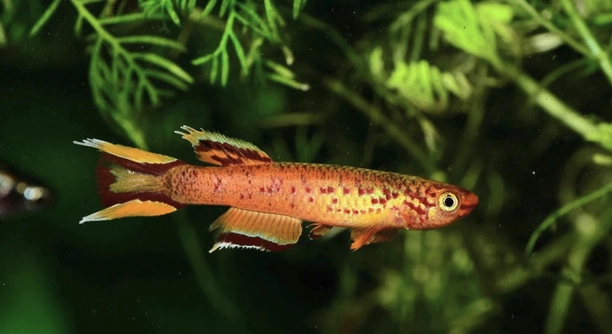
Are your killifish acting strangely or seeming uninterested in their surroundings? Many fish owners overlook boredom as a cause of unusual behavior. Recognizing signs of boredom is important to keep your fish healthy and happy in their tank.
Killifish show signs of boredom through repetitive swimming patterns, lack of interest in food, hiding excessively, and reduced activity levels. These behaviors indicate a need for environmental enrichment and stimulation to improve their well-being and prevent stress.
Understanding how boredom affects your killifish can help you make better choices for their care. Simple changes can make a big difference in keeping your fish lively and engaged.
Repetitive Swimming Patterns
When a killifish swims the same route over and over without variation, it often signals boredom. This behavior can look like pacing in a small area or swimming in circles. Fish need stimulation and a changing environment to stay mentally active. Without this, they may become restless and stressed. In a tank that lacks plants, decorations, or hiding spots, killifish may develop this repetitive swimming. Adding variety to the tank setup encourages natural behavior and exploration. It also prevents your fish from becoming lethargic or showing signs of anxiety. Observing your killifish regularly will help you notice these patterns early. Adjusting the environment with plants, rocks, or small caves can improve their quality of life and keep them interested in their surroundings.
Repetitive swimming is a clear sign that your killifish needs more stimulation to avoid stress and boredom.
To fix this, rearranging the tank or adding new objects can help. Natural decorations such as live plants or driftwood create hiding spots and exploration opportunities. Changing the layout regularly keeps the environment fresh. Including floating plants can add cover and break up the open swimming space. Even introducing gentle water flow mimics their natural habitat, which encourages movement and curiosity. These small changes prevent repetitive behavior and support your killifish’s mental health. Ensuring a stimulating environment promotes a happier and healthier fish that shows natural, active behavior.
Lack of Interest in Food
Killifish usually have a strong feeding response. If they ignore food or show less enthusiasm, boredom or stress might be the cause. This can happen when fish feel unstimulated or unhappy with their environment. A bored killifish may lose its appetite or stop competing for food with tank mates. This behavior reduces their nutrient intake and overall health if not addressed.
Providing variety in their diet and feeding routine can help re-engage their interest. Live or frozen foods often encourage natural hunting behavior, which adds stimulation.
Feeding your killifish with different food types is a simple way to increase mental engagement. Offering live brine shrimp, daphnia, or mosquito larvae can encourage hunting instincts. Rotating food options keeps meals exciting. Hand-feeding or target feeding helps build interaction and stimulates their natural behavior. Avoid overfeeding, as this may lead to disinterest. Feeding at regular intervals with stimulating food supports health and reduces boredom. Watching how your killifish responds to different foods offers insight into their well-being and helps prevent feeding issues caused by boredom.
Hiding Excessively
Killifish that hide most of the time may feel bored or stressed. Lack of stimulation can cause them to retreat and avoid interaction with their environment.
Hiding excessively can indicate your killifish is not comfortable or engaged. This behavior may result from an empty tank or lack of proper hiding places. Without natural cover like plants or rocks, fish feel exposed and insecure. Creating multiple safe spots helps your killifish explore without fear. When your fish stays hidden too much, it misses out on exercise and social interaction. Providing a balanced environment encourages them to swim openly and reduces stress.
Improving tank complexity with decorations and live plants gives your killifish areas to feel safe while promoting natural behavior. Changing hiding spots occasionally also prevents boredom and encourages curiosity. Observing your fish’s hiding habits will guide you in creating a more comfortable and stimulating tank environment.
Reduced Activity Levels
A killifish with low activity may be bored or lacking environmental enrichment. Boredom causes lethargy, which negatively affects health and behavior.
Reduced activity often comes from a dull tank setup that fails to mimic their natural habitat. Killifish are active swimmers that enjoy exploring varied environments. Without changes or interesting features, they may become inactive and sluggish. Increasing tank complexity with plants, caves, and decorations can boost movement. Introducing gentle water flow also stimulates swimming. Regularly rearranging tank elements helps maintain interest. Encouraging activity improves your killifish’s physical and mental condition. Monitoring activity levels allows you to adjust the environment before lethargy becomes a problem. Creating a lively tank helps your killifish stay healthy and engaged.
Lack of Interaction with Tank Mates
When killifish avoid other fish or show little interest in their tank mates, boredom or stress may be a factor. Social interaction helps keep them engaged and mentally healthy.
Increasing environmental complexity can encourage natural social behavior. Adding plants and hiding spots reduces aggression and creates opportunities for interaction.
Overgrown or Empty Tank
A tank that is either too crowded or too bare can cause killifish to lose interest in their surroundings. Both extremes limit their natural behaviors and exploration.
Regular maintenance and thoughtful decoration balance the tank environment. An ideal setup includes moderate plants, open swimming areas, and varied textures. This supports activity, exploration, and reduces boredom.
Lack of Environmental Changes
Killifish need occasional changes in their tank to stay interested. A static environment quickly becomes dull and unstimulating for them.
Introducing new plants, rearranging decorations, or changing backgrounds helps refresh their environment. Small changes can make a big difference in their mental well-being.
Excessive Resting
Killifish resting too much during the day might be a sign of boredom or lack of stimulation. Ensuring a lively tank helps maintain their natural activity levels.
FAQ
How can I tell if my killifish is bored or sick?
Boredom and illness sometimes show similar signs, like reduced activity and loss of appetite. However, boredom usually involves repetitive behaviors or hiding without other symptoms. Illness may come with physical signs like discoloration, fin damage, or unusual spots. Watching your fish’s behavior closely helps differentiate between the two. If physical symptoms appear, consulting a vet or experienced fish keeper is important.
What are easy ways to keep my killifish entertained?
Adding live plants, decorations, and hiding spots helps create an engaging environment. Rearranging tank items regularly keeps the setup fresh. Providing varied foods like live or frozen insects stimulates natural hunting instincts. Gentle water flow can also encourage activity. Even small changes can make a big difference in preventing boredom.
Can tank mates reduce my killifish’s boredom?
Yes, appropriate tank mates can encourage social interaction and reduce boredom. Choose peaceful species that share similar water needs. Avoid overcrowding to prevent stress or aggression. Observing their behavior helps ensure tank mates contribute positively to your killifish’s environment.
How often should I change my killifish’s tank setup?
Changing the tank layout every few weeks is beneficial. This prevents your killifish from becoming too accustomed to a static environment. Simple adjustments like moving plants or decorations are enough. Frequent changes maintain curiosity and promote mental stimulation.
What foods are best to keep killifish interested during feeding?
Live foods such as brine shrimp, daphnia, and mosquito larvae trigger natural hunting behavior and keep killifish engaged. Frozen or freeze-dried options also add variety. Rotating food types ensures your fish stay interested and receive balanced nutrition.
Is boredom harmful to killifish health?
Prolonged boredom can lead to stress, which weakens the immune system and increases susceptibility to illness. It may also cause abnormal behaviors that affect physical health. Providing mental and physical stimulation helps prevent these risks and supports overall well-being.
Can lack of stimulation affect killifish breeding?
Yes, a dull environment can reduce breeding activity. Killifish need a stimulating habitat to feel secure and comfortable for spawning. Including plants, caves, and clean water encourages natural breeding behaviors and improves chances of successful reproduction.
What should I do if my killifish shows signs of boredom but I have limited space?
Even small tanks can be enriched with decorations, plants, and hiding spots. Using vertical space with floating plants or tall decorations adds complexity. Rotating tank items frequently also helps. Focus on creating a varied and stimulating environment within the available space.
How important is water quality in preventing boredom?
Good water quality supports healthy behavior and activity levels. Poor water conditions cause stress, which can worsen boredom symptoms. Regular water changes and filtration maintain a clean environment that keeps killifish active and interested in their surroundings.
Can lighting impact my killifish’s activity and boredom?
Yes, proper lighting helps regulate natural behaviors. Too much light can cause stress, while too little reduces activity. A balanced day-night cycle mimics natural conditions and promotes healthy activity patterns, reducing boredom and encouraging exploration.
Killifish are lively and beautiful fish that need more than just clean water and food to thrive. Like many animals, they require mental stimulation and a well-structured environment to stay healthy and happy. Boredom in killifish can lead to unusual behaviors, stress, and a decline in overall well-being. Recognizing the signs of boredom, such as repetitive swimming, hiding, or reduced activity, helps in taking early steps to improve their habitat. It is important to create a balanced tank environment that offers variety and encourages natural behaviors.
Providing enrichment for killifish is not difficult, but it does require attention and effort. Adding live plants, decorations, and safe hiding spots helps make the tank interesting for your fish. Regularly changing the layout or introducing new elements keeps their environment fresh and stimulating. Offering a varied diet, including live or frozen foods, also encourages natural hunting instincts and keeps feeding time engaging. These simple changes can prevent boredom and contribute to the mental and physical health of your killifish.
Maintaining good water quality and proper lighting further supports your killifish’s well-being. A clean and stable environment reduces stress and promotes activity. Lighting that mimics natural day and night cycles helps regulate their behavior and energy levels. Together with environmental enrichment, these factors create a healthy, stimulating habitat that allows your killifish to thrive. Paying attention to their behavior and needs ensures that they remain active, engaged, and healthy over time.

Hello,
If you enjoy the content that we create, please consider saying a "Thank You!" by leaving a tip.
Every little bit helps us continue crafting quality advice that supports the health, happiness, and well-being of pets around the world, for pets of all shapes, sizes, and species.
We really appreciate the kindness and support that you show us!