
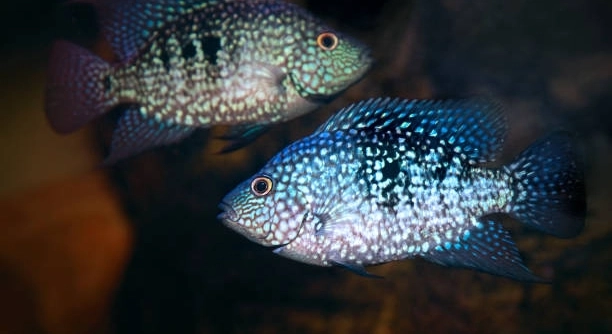
Jack Dempsey fish are fascinating pets known for their striking colors and lively behavior. Observing their habits can reveal subtle changes that indicate they are preparing to breed, making fishkeeping even more engaging and rewarding.
Signs that a Jack Dempsey fish is about to breed include increased territorial behavior, nest preparation, vibrant coloration, pairing off with a mate, protective gestures, frequent cleaning of a specific area, and heightened activity near their chosen breeding spot.
Recognizing these signs helps you provide the right environment and care for successful breeding. Paying attention to their behavior ensures both the fish and future fry remain healthy.
Increased Territorial Behavior
When Jack Dempsey fish are ready to breed, they become noticeably territorial. You may see them swimming aggressively around their tank, chasing away other fish and defending specific spots. This behavior helps them secure a safe area for spawning. It is common for both males and females to display territorial signs, though males tend to be more persistent. The fish may flare their fins or shake their bodies to show dominance. Observing this behavior can help you identify which fish are paired for breeding. Providing adequate space and hiding spots can reduce stress and prevent fights. Tank decorations like rocks or plants become important as boundaries. Recognizing this early allows you to separate aggressive fish if needed. Even subtle changes, like lingering in one section of the tank, can signal readiness to breed. Consistent observation helps you anticipate these moments effectively and manage the tank environment.
Territorial behavior indicates that your Jack Dempsey is actively preparing a breeding area and asserting dominance over its chosen spot.
Noticing these signs early is important for maintaining harmony in the tank. Ensuring plenty of space and clear boundaries reduces stress and increases the chances of successful breeding. Watching how fish interact with their surroundings provides clues about their readiness.
Nest Preparation
Jack Dempsey fish often start preparing a nest before breeding. They may dig in the substrate, move small rocks, or clear a flat surface. This activity is usually most noticeable in males, who select and maintain the area. The chosen spot is typically near decorations or plants that provide shelter. Nest preparation involves both cleaning and shaping the area, ensuring it is safe for eggs. A clean, well-prepared nest is essential for egg survival. During this time, fish may repeatedly inspect the area, remove debris, and even rearrange rocks to make it more suitable. Providing soft sand or fine gravel helps them build an ideal nest without stress. The nest also serves as a place for the female to lay eggs and for the male to guard them afterward. Paying attention to this behavior helps you anticipate breeding activity and ensures the fish have everything they need.
Observing nest preparation signals that spawning is imminent and the fish are actively getting ready for reproduction.
Watching the nest-building process gives insight into the fish’s natural instincts. Males may spend hours adjusting the substrate, and females often inspect the site before laying eggs. Maintaining a calm environment during this stage is crucial. Feeding the fish properly supports their energy for breeding, and minimizing disturbances ensures the process continues smoothly. Understanding their nesting habits allows you to provide the right tank setup, substrate, and hiding spots for safety. Observing these behaviors without interference helps the fish feel secure, increasing the likelihood of successful breeding. Recognizing subtle cues like repeated digging or substrate rearrangement prepares you to support both the male and female during this critical phase.
Vibrant Coloration
Jack Dempsey fish show brighter and more intense colors when ready to breed. Males especially display vivid blues, greens, and golds, while females may develop subtle color changes. These changes signal readiness and attract potential mates.
Color intensity is directly linked to breeding hormones. Males often darken around the face and fins, making them more noticeable to females. The brighter the colors, the more confident the fish is in defending territory and attracting a mate. This visual cue is important for communication between the pair, reducing conflicts and ensuring proper pairing. Observing these changes allows you to anticipate when breeding behavior will peak.
Females may also show color shifts, though they are less pronounced. Paying attention to both male and female coloration gives a clearer picture of overall readiness. Proper nutrition and water quality enhance these natural colors, supporting healthy breeding behaviors. Keeping the tank stable helps maintain these signals without causing stress.
Pairing Off
Jack Dempsey fish often form distinct pairs before breeding. Once paired, they spend more time together and display cooperative behaviors around a chosen area. This pairing is a crucial step in successful spawning.
Pairs often establish a shared territory, defending it from other tank mates. The male typically initiates courtship displays, while the female inspects the territory and nest. Watching for synchronized swimming or following patterns helps identify established pairs. Pairing ensures that eggs will be fertilized efficiently, as both fish coordinate nest preparation and guarding.
Once a pair is established, they rarely interact with other fish. The male and female may clean the nest together, chase intruders, and remain close for protection. This behavior is vital for egg survival. Recognizing pairs early allows you to adjust tank conditions, providing privacy, adequate space, and optimal substrate for breeding. Proper pairing management increases the likelihood of a successful spawning and healthy fry.
Protective Gestures
Jack Dempsey fish become noticeably protective of their territory and nest. Males often patrol the area constantly, chasing away other fish or intruders. Females may also stay nearby, showing alert behavior and readiness to defend the nest.
This protective behavior includes flaring fins, shaking, and making quick darting movements. Both fish remain focused on their chosen site, ensuring it stays safe for eggs. Observing these gestures indicates imminent spawning and shows that the fish are fully engaged in breeding preparation.
Frequent Cleaning
Jack Dempsey fish spend a lot of time cleaning their nest before laying eggs. They remove debris, shift substrate, and create a smooth surface suitable for spawning.
Frequent cleaning ensures the eggs have a safe environment, reduces the risk of fungus, and prepares the nest for fertilization. This behavior often increases as spawning approaches.
Heightened Activity Near Nest
Before breeding, Jack Dempsey fish exhibit heightened activity around their chosen nest. They swim back and forth, inspect the area, and adjust substrate frequently to maintain readiness.
This constant activity signals strong instinctual preparation. Both males and females engage in these behaviors, reflecting their commitment to protecting the eggs and ensuring successful spawning.
FAQ
How can I tell if my Jack Dempsey is ready to breed?
Readiness is usually indicated by territorial behavior, brighter colors, nest preparation, and pairing with a mate. Males become more aggressive and protective of specific areas, while females show increased interest in the nest. Both may spend time cleaning and arranging the substrate to prepare for spawning.
What type of environment encourages breeding?
A stable tank with plenty of hiding spots, flat surfaces, and soft substrate helps. Keep water conditions consistent, with temperatures around 78–82°F (25–28°C). Avoid overcrowding and provide gentle filtration. Plants, rocks, and caves can serve as shelter and boundaries for territorial fish.
How long does it take for Jack Dempsey eggs to hatch?
Once eggs are laid and fertilized, they usually hatch in 3–5 days. The male guards the nest during this time, fanning the eggs to provide oxygen and prevent fungus. It’s important to leave the pair undisturbed for the eggs’ survival.
Do both parents care for the eggs?
Primarily the male guards the eggs, but the female often remains nearby, helping protect the nest. Both monitor the area, remove debris, and chase away intruders. After hatching, the fry may still be tended by the male, while the female’s involvement usually decreases.
What should I feed my Jack Dempsey before breeding?
High-quality protein-rich foods like live or frozen bloodworms, brine shrimp, and small pellets boost energy and coloration. Well-fed fish are more likely to breed successfully, and proper nutrition supports egg development and fry survival. Feeding small amounts multiple times a day is ideal.
Can Jack Dempsey fish breed with other species?
They generally breed only with their own species. Crossbreeding is rare and usually produces less viable offspring. Pairing unrelated species can lead to aggression, stress, or health problems, so keeping a compatible male-female pair is recommended.
How can I protect the fry after hatching?
Providing a separate nursery tank or using a breeding box can help prevent older fish from eating the fry. Fine-leaved plants or small hiding spaces give the young fish shelter. Feeding the fry newly hatched brine shrimp or finely crushed flakes supports growth.
What are signs of unsuccessful breeding?
Unfertilized eggs may appear cloudy or develop fungus. Aggressive behavior that results in egg loss, constant stress, or poor water conditions can prevent hatching. Observing the nest and removing dead eggs carefully helps maintain a healthy environment for remaining embryos.
How long do Jack Dempsey pairs stay together?
Pairs may remain bonded through a single breeding cycle but are not necessarily permanent. After spawning and fry care, the pair may become less attached or aggressive toward each other. Monitoring interactions helps prevent conflicts in the tank.
Is special care needed after breeding?
Yes, water quality must remain stable, and tank disturbances should be minimized. Continue feeding high-quality foods to support recovery and growth. Removing fry safely to a separate tank can also improve survival rates, especially in community tanks with other fish.
How often can Jack Dempsey fish breed?
Breeding frequency depends on age, health, and environmental conditions. Generally, a healthy pair can spawn multiple times per year if conditions remain favorable. Rest periods between spawnings allow recovery and prevent stress-related health issues.
What role does tank size play in breeding success?
Larger tanks reduce stress and aggression, providing space for territory and nest preparation. A minimum of 55 gallons is recommended for a breeding pair, along with areas for hiding, substrate for nesting, and clear swimming space. Proper spacing improves overall reproductive success.
Can stress prevent Jack Dempsey from breeding?
Stress from overcrowding, poor water quality, or frequent disturbances can stop breeding. Ensuring a calm, stable environment, consistent feeding, and minimal intrusions around the tank helps the fish focus on courtship and spawning. Observing behavior can indicate if stress is an issue.
How do I know if the eggs are fertilized?
Fertilized eggs appear clear or slightly yellow and are firm to the touch. Unfertilized eggs often turn white or opaque quickly. Observing egg development over several days helps determine if spawning was successful and if parental care is effective.
Are there any health concerns during breeding?
Infections, fungal growth on eggs, and injuries from territorial fights are common concerns. Maintaining clean water, monitoring behavior, and separating overly aggressive individuals reduce risks. Proper care ensures both adults and offspring remain healthy throughout the breeding process.
What is the best way to encourage breeding in a new tank?
Introduce a compatible male-female pair, provide suitable substrate and hiding spaces, maintain optimal temperature, and feed high-quality protein foods. Minimizing disturbances and observing early signs of nest preparation and pairing improves the likelihood of successful breeding.
How long do the fry stay near the parents?
Fry often stay under parental supervision for 5–10 days, depending on tank conditions. The male continues guarding, while the female’s attention decreases. After this period, fry become more independent and can be moved to a nursery tank to grow safely.
Can multiple pairs breed in the same tank?
It is possible if the tank is large enough, with distinct territories and adequate hiding spots. Overcrowding or overlapping territories can lead to aggression, stress, and unsuccessful spawning. Monitoring interactions closely is necessary to ensure each pair can breed safely.
What signs indicate a male is ready to defend eggs?
The male flares fins, swims rapidly near the nest, chases intruders, and frequently fans the eggs. These behaviors show protective instincts and readiness to ensure egg survival. Recognizing these signs helps maintain an appropriate environment for successful hatching.
How does water quality affect breeding success?
Stable pH, temperature, and clean water are critical. Fluctuations can cause stress, reduce egg viability, and lead to aggressive behavior. Regular monitoring, partial water changes, and gentle filtration support a healthy environment conducive to spawning. Good water quality is one of the most important factors in breeding.
What is the typical lifespan of Jack Dempsey fish?
Jack Dempsey fish live 8–10 years with proper care. Healthy adults are more likely to breed successfully. Providing a stable environment, balanced diet, and clean tank conditions supports longevity and continued reproductive potential.
How can I reduce aggression between breeding pairs?
Provide separate territories, adequate hiding spots, and sufficient space to prevent conflicts. Monitoring behavior and intervening if fights become intense helps protect both fish and their eggs. Reducing stress and ensuring personal space is key for successful breeding.
What should I do if eggs are fungus-infected?
Remove affected eggs carefully to prevent spread. Adjust water conditions and maintain cleanliness. Healthy eggs can still hatch if fungus is controlled. Observing the nest regularly allows quick action to protect the remaining viable eggs.
How long after breeding can a pair rest before spawning again?
Pairs need a recovery period of at least a few weeks, depending on health and tank conditions. Adequate feeding, clean water, and minimal stress help restore energy for the next breeding cycle. Monitoring their behavior signals readiness for the next spawn.
What is the best diet for fry after hatching?
Feed newly hatched brine shrimp, micro worms, or finely crushed high-quality flakes. Small, frequent feedings support rapid growth. Ensuring clean water during feeding prevents health issues and allows the fry to develop properly. Proper nutrition is essential for survival and strength in early life.
How can I tell if a pair is compatible?
Compatible pairs swim together, cooperate in nest building, and show limited aggression toward each other. Observing courtship displays, synchronized swimming, and shared nest defense indicates strong compatibility. Incompatible pairs may fight frequently or fail to build a proper nest.
Are there differences in breeding behavior between male and female Jack Dempsey fish?
Yes, males are more territorial, aggressive, and focused on nest guarding, while females prepare the nest site and supervise egg-laying. Both participate in cleaning and protection, but the male usually takes the lead in defense and fanning the eggs.
How can I monitor breeding progress without disturbing the fish?
Use observation from outside the tank, minimize movement, and avoid sudden lighting changes. Recording behaviors or taking notes on territoriality, nest maintenance, and interactions helps track progress without stress. Subtle observation ensures accurate understanding of breeding stages.
What is the survival rate of Jack Dempsey fry in a community tank?
Survival is low in community tanks due to predation or competition. Using a separate nursery or breeding tank greatly improves survival. Providing hiding spots and proper nutrition increases fry growth and reduces losses during early development.
How important is lighting for breeding?
Moderate, consistent lighting supports normal behavior and coloration. Avoid intense or fluctuating light, which can stress the fish. Proper lighting helps maintain natural activity patterns and encourages courtship and nesting behaviors, improving the likelihood of successful spawning.
Can stress delay spawning?
Yes, stress from overcrowding, water fluctuations, or frequent disturbances can delay breeding. Maintaining a calm environment, stable water conditions, and minimal interference allows the pair to focus on courtship and egg-laying without disruptions.
What is the average number of eggs per spawning?
Jack Dempsey females typically lay 300–800 eggs per spawn. The number varies based on age, health, and nutrition. Proper care and nutrition before and after spawning influence both quantity and viability of the eggs.
How do I prevent egg predation in the tank?
Separate the breeding pair or move eggs to a dedicated tank. Provide hiding spots and reduce tankmates that may consume eggs. Observing the nest and limiting disturbances ensures maximum egg survival until hatching.
Are Jack Dempsey fish seasonal breeders?
They can breed year-round if conditions are stable, including temperature, lighting, and nutrition. There is no strict breeding season in captivity, but consistent care and proper environment maintain reproductive readiness throughout the year.
Can I encourage multiple spawns in a short time?
Yes, but the pair needs recovery periods between cycles. Adequate nutrition, clean water, and minimal stress allow repeated spawning. Overworking the pair without rest may lead to health issues or reduced egg quality.
What role does observation play in breeding success?
Careful observation allows early detection of territorial behavior, nest building, and pairing. Monitoring these behaviors ensures proper tank management, intervention when needed, and supports both adult fish and fry survival. Observation is key to understanding natural instincts and timing.
How can I tell if a pair has successfully fertilized the eggs?
Fertilized eggs remain clear and develop over several days. Cloudy or white eggs are usually unfertilized. Observing daily changes helps confirm successful fertilization and allows intervention if issues arise.
What is the best way to prepare a tank for breeding?
Use stable water parameters, provide adequate space, hiding spots, soft substrate, and appropriate feeding. A calm, undisturbed environment encourages natural breeding behaviors and ensures a safe area for eggs and fry development.
How can I maintain fry health in the first weeks?
Provide clean water, small frequent feedings of protein-rich foods, and adequate shelter. Avoid overcrowding, monitor growth, and remove debris. Healthy fry require careful attention to water quality, nutrition, and protection during early development.
Can Jack Dempsey fish breed in smaller tanks?
Breeding is possible but limited by space and territory. Smaller tanks increase aggression and stress, which can reduce success. Providing hiding spots and controlling interactions helps, but larger tanks remain preferable for safe and effective breeding.
How long does it take for fry to become independent?
Fry generally become free-swimming and independent in 7–10 days. During this time, parental protection decreases, and fry start exploring their surroundings. Providing proper food and shelter supports healthy growth during this transition.
Are there any indicators of weak or unhealthy eggs?
Unfertilized eggs turn white, develop fungus, or fail to stick to surfaces. Weak eggs may appear smaller, discolored, or shriveled. Removing unhealthy eggs improves survival chances for healthy embryos and reduces contamination in the nest.
How can I tell if breeding was successful overall?
Successful breeding is indicated by fertilized eggs developing normally, fry hatching, and surviving the early weeks. Observing parental care, nest maintenance, and fry activity provides a clear picture of reproductive success and health of both adults and young.
Can Jack Dempsey fish be encouraged to breed by diet alone?
Diet is important but not the only factor. High-protein foods enhance coloration, energy, and egg production, but stable environment, suitable substrate, and reduced stress are equally critical for successful breeding. Proper diet supports natural instincts rather than replacing them.
What should I do if my pair fights excessively?
Separate them temporarily, provide more space or hiding spots, and monitor interactions. Excessive fighting can harm both fish and eggs, so controlling aggression ensures a safer breeding environment. Adjusting tank setup often resolves conflicts.
How important is water temperature during breeding?
Optimal temperatures around 78–82°F (25–28°C) promote activity, spawning, and egg development. Fluctuations can stress the fish and delay breeding. Maintaining consistent temperature is essential for reproductive success.
Can stress from tank mates prevent breeding?
Yes, aggressive or overly active tank mates can disrupt nest building, pairing, and egg protection. Minimizing disturbances and providing separate spaces for the breeding pair reduces stress and improves the likelihood of successful spawning.
How long should I wait between breeding attempts?
Allow at least a few weeks for recovery, depending on the pair’s health and tank conditions. Proper rest, nutrition, and water stability ensure both fish regain energy for the next spawning cycle.
What is the role of substrate in breeding?
Soft sand or fine gravel allows nest digging and egg adhesion. Smooth surfaces help the male maintain the nest and protect eggs. Proper substrate directly influences the success of egg laying and hatching.
Can Jack Dempsey fish breed without a proper nest?
They may attempt, but success is low. A suitable nest provides safety, adhesion for eggs, and a controlled environment. Lack of proper substrate often leads to egg loss or poor fry survival.
Are there differences in egg care between first-time and experienced pairs?
Experienced pairs are usually more attentive, efficient in fanning eggs, and better at defending the nest. First-time breeders may be less coordinated, requiring careful observation and sometimes intervention to ensure egg survival.
How often should I check the breeding tank?
Observe daily from a distance without disturbing the fish. Minimal interference reduces stress, while regular monitoring allows timely action if eggs are at risk or aggressive behavior increases.
What is the best way to separate fry from adults?
Use a fine mesh breeding net or transfer fry to a separate tank after they become free-swimming. This prevents predation and allows controlled feeding and growth. Proper separation increases survival rates significantly.
Can I use artificial lighting to simulate breeding conditions?
Moderate, consistent lighting helps regulate activity but should mimic natural day-night cycles. Avoid sudden or intense light, which can stress fish. Proper lighting supports courtship, nest building, and spawning behavior.
How long does it take for a pair to form?
Pair formation can take several days to a week. Observing synchronized swimming, nest interest, and limited aggression indicates that a bond has formed. Patience is key for successful pairing.
What should I do if fry are not thriving?
Check water quality, feeding schedule, and tank conditions. Ensure adequate shelter, reduce overcrowding, and provide proper nutrition. Monitoring closely allows timely intervention to improve survival and growth of young fish.
Are Jack Dempsey fish sensitive to pH changes during breeding?
Yes, pH stability around 6.5–7.5 is important. Sudden changes can stress fish, disrupt spawning behavior, and affect egg viability. Maintaining stable water chemistry is crucial for reproductive success.
Can stress from cleaning or maintenance disrupt breeding?
Yes, frequent tank changes, moving decorations, or aggressive filtration can cause stress. Minimal, careful maintenance helps keep the breeding pair focused and reduces the risk of egg loss or aggression.
Do Jack Dempsey fish show signs of fatigue after breeding?
Yes, they may rest more, eat less, or show reduced activity. Adequate feeding, stable water, and calm conditions help recovery. Monitoring their health ensures readiness for future spawning and overall well-being.
How can I maximize egg survival?
Provide proper substrate, stable water, minimal disturbances, and sufficient nutrition for adults. Removing dead eggs and protecting the nest from other fish improves the chances that the remaining eggs will hatch successfully.
Is it normal for the pair to fight after spawning?
Yes, aggression may increase once eggs hatch or parental duties lessen. Monitoring interactions and providing space or temporary separation prevents injury and stress for both adults and fry.
What is the most common reason eggs fail to hatch?
Poor water quality, fungal infections, or aggressive behavior from tank mates are leading causes. Maintaining stable conditions and proper care increases hatching success.
How long does it take for fry to reach juvenile stage?
Fry generally grow into juveniles in 4–6 weeks with proper feeding and care. Providing clean water, small frequent feedings, and protection from adults ensures healthy growth during this period.
Are there behavioral signs indicating fry health?
Active swimming, consistent feeding, and even growth indicate healthy fry. Lethargy, abnormal swimming, or failure to feed can signal problems that require intervention.
How important is tank decoration for breeding?
Decorations provide hiding spots, boundaries, and surfaces for nest preparation. Proper layout reduces stress, supports territorial behavior, and helps pairs feel secure, increasing the likelihood of successful breeding.
Can Jack Dempsey fish breed in planted tanks?
Yes, plants offer shelter, boundaries, and suitable surfaces for nest selection. Ensure substrate is appropriate and plants do not obstruct visibility, allowing adults to monitor and defend the nest effectively.
What is the ideal tank size for a breeding pair?
A minimum of 55 gallons is recommended, with additional space reducing aggression and stress. Adequate space allows territory establishment, nest preparation, and safe swimming, which all contribute to successful spawning.
How can I reduce stress during spawning?
Provide a stable environment, minimal disturbances, suitable hiding spots, proper substrate, and consistent feeding. Monitoring behavior and adjusting tank conditions as needed ensures the pair can focus on breeding without interference.
What should I do if eggs are infertile?
Remove them to prevent fungal growth, maintain water quality, and ensure the pair has proper nutrition and conditions for future spawning. Monitoring the next cycle closely increases the chance of fertilized eggs.
Can Jack Dempsey fish spawn multiple times in succession?
Yes, with proper care, nutrition, and recovery periods, they can have multiple spawnings per year. Overworking the pair without rest may reduce egg quality or health, so spacing cycles appropriately is important.
Do environmental changes trigger breeding behavior?
Yes, stable temperature, lighting, water quality,
Breeding Jack Dempsey fish is a rewarding experience for anyone willing to pay close attention to their behavior and needs. These fish are naturally territorial and protective, which plays an important role in their reproductive success. By observing changes in color, nesting habits, and pairing behavior, you can anticipate when your fish are ready to spawn. Understanding these signs helps maintain a healthy tank environment and reduces stress for both adults and future fry. A calm, stable habitat allows the fish to focus on breeding without interference, which is essential for successful egg fertilization and hatching.
Providing the right conditions is just as important as recognizing behavioral signs. Clean water, consistent temperatures, soft substrate, and adequate space all contribute to a suitable breeding environment. Feeding high-quality, protein-rich foods enhances coloration, energy, and egg development, supporting both male and female fish throughout the breeding process. Hiding spots, plants, and decorations also play a key role in allowing the fish to establish territories and prepare nests. These environmental factors, combined with careful observation, make a significant difference in the likelihood of successful spawning and healthy fry. Monitoring water quality and maintaining stable conditions before, during, and after spawning ensures the health and safety of both the breeding pair and the young fish.
Finally, patience and attention are crucial when working with Jack Dempsey fish. Breeding does not happen overnight, and each pair may behave differently depending on their personality, age, and environment. It is important to give the fish time to pair, build nests, and protect their eggs without interference. Watching the nesting process, fanning of eggs, and guarding of fry allows you to understand their natural instincts and respond appropriately when necessary. Providing a stress-free environment, proper nutrition, and suitable tank conditions sets the stage for successful reproduction. By following these steps and observing your fish closely, you can ensure that both adult Jack Dempseys and their offspring thrive in a safe and supportive environment.

Hello,
If you enjoy the content that we create, please consider saying a "Thank You!" by leaving a tip.
Every little bit helps us continue crafting quality advice that supports the health, happiness, and well-being of pets around the world, for pets of all shapes, sizes, and species.
We really appreciate the kindness and support that you show us!