
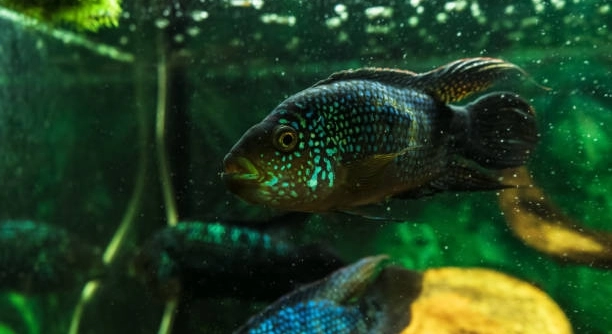
Caring for a Jack Dempsey fish includes noticing subtle changes in behavior that reflect emotional needs and daily stimulation within the aquarium environment for long term comfort and healthy activity levels over time consistently overall.
Behavioral boredom in Jack Dempsey fish is commonly indicated by repetitive swimming, aggression, reduced exploration, and lethargy. These signs often result from limited environmental enrichment, insufficient mental stimulation, and monotonous tank conditions that fail to engage natural instincts consistently properly.
Recognizing these behavioral patterns allows better care decisions and practical adjustments that support enrichment, balance, and a satisfying aquatic life.
Repetitive Swimming Patterns
One of the earliest signs of boredom in a Jack Dempsey fish appears through repetitive swimming patterns. I often notice this behavior when a fish moves back and forth along the same glass panel for long periods. This action is not playful exploration. It usually reflects a lack of stimulation within the tank environment. When décor remains unchanged and hiding spaces are limited, the fish has little incentive to explore. Over time, this routine movement becomes a coping behavior rather than natural activity. Jack Dempseys are intelligent and territorial cichlids that benefit from variation. Rocks, caves, and visual barriers encourage purposeful movement. Without these elements, the fish may appear physically active while mentally under stimulated. Observing consistent pacing is important because it often develops gradually and may be overlooked. Addressing this sign early helps restore balanced behavior and reduces stress related habits within stable aquarium routines and proper environmental care.
This pattern often increases when tank layouts stay unchanged for months. Minor adjustments can interrupt the cycle. Rearranging rocks, adding tunnels, or changing background visuals encourages exploration. Even small changes create new paths and territories, helping the fish reengage with its surroundings and promote healthier daily activity levels over time.
Repetitive swimming should never be dismissed as normal personality behavior. While some movement is expected, consistent pacing signals unmet environmental needs. I have found that rotating décor every few weeks maintains interest without causing stress. Balance remains essential. Too many changes at once can overwhelm territorial fish. Gradual adjustments allow adaptation. Monitoring swimming patterns before and after changes provides valuable feedback. When pacing decreases and exploration increases, enrichment efforts are working. This approach supports mental engagement and reduces tension. Over time, the fish displays calmer behavior, improved feeding response, and better interaction with its environment overall through consistent enrichment practices.
Aggression and Lack of Engagement
A bored Jack Dempsey may also show increased aggression or complete withdrawal. Both behaviors reflect frustration rather than dominance. Sudden fin flaring, chasing reflections, or ignoring surroundings indicates imbalance. These changes often emerge slowly and become routine if left unaddressed within enclosed tanks lacking enrichment and structured stimulation opportunities daily.
Limited engagement often pairs with aggression because mental energy lacks proper direction. I have noticed that when enrichment is absent, territorial instincts surface more intensely. The fish may attack tank décor, glass reflections, or even stop interacting entirely. Providing purposeful outlets is essential. Introducing varied textures, safe digging areas, and visual breaks helps redirect behavior. Feeding routines also play a role. Scatter feeding or using sinking foods encourages natural foraging behaviors. Consistency matters as much as variety. Sudden changes can heighten stress, while predictable enrichment builds security. Lighting cycles should remain stable, supporting natural rhythms. When engagement improves, aggressive displays often soften. The fish becomes more attentive and responsive. These shifts indicate improved mental balance. Observing daily behavior allows early adjustments. Addressing aggression through enrichment supports long term health, reduces stress responses, and creates a calmer aquarium environment that benefits both the fish and the keeper over time. Overlooked boredom can gradually weaken immune response and feeding consistency. Small proactive changes maintain stability. I rely on observation rather than reaction. This steady approach prevents escalation. Enrichment does not require constant expense, only thoughtful planning and routine evaluation applied consistently within established care schedules and tank maintenance practices over time daily.
Lethargy and Reduced Activity
Lethargy in a Jack Dempsey fish often appears as extended resting periods and minimal reaction to movement outside the tank. I notice this when the fish remains near the substrate, avoids swimming, and shows little interest in daily activity despite stable water conditions and consistent feeding schedules over time daily.
I have learned that lethargy usually develops when stimulation remains unchanged for long periods. Jack Dempseys require environmental variation to stay engaged. Without new hiding areas or visual changes, energy levels decline. Rearranging décor, adjusting flow, or adding safe enrichment objects encourages movement. I prefer gradual changes to avoid stress. Monitoring response after adjustments is essential. Increased swimming, improved posture, and stronger feeding responses indicate progress. Lethargy should never be ignored, as it often precedes appetite loss and weakened resilience. Early action supports long term stability and supports consistent behavior patterns within controlled aquarium care routines over time daily management.
Providing stimulation does not require constant change or expensive equipment. I focus on balance and observation. Simple elements such as caves, textured rocks, and shaded areas encourage natural movement. Feeding methods matter as well. Sinking foods and varied placement promote exploration. Lighting consistency supports energy regulation. When activity slowly increases, it confirms improvement. This steady approach keeps behavior stable while respecting territorial needs and reducing unnecessary stress. I track changes weekly and adjust enrichment carefully to avoid overstimulation and maintain predictable routines that support long term health and consistent engagement levels for captive cichlids under care in home aquariums settings.
Loss of Appetite and Feeding Disinterest
Loss of appetite is another common sign of boredom in Jack Dempsey fish. I notice this when food is ignored or eaten slowly. Reduced interest in feeding often follows repetitive environments. While water quality matters, consistent refusal usually signals mental disengagement rather than illness when other conditions remain stable and behavioral changes appear gradually over several days without signs of physical distress present during regular observation and feeding times within established care routines at home.
Appetite loss linked to boredom often improves with structured enrichment. I adjust feeding methods before changing diet. Offering food in different areas encourages movement. Using feeding tongs or sinking pellets activates natural responses. Tank layout changes also help. Visual breaks reduce fixation and stress. I avoid overfeeding, as excess food masks behavioral issues. Consistent schedules remain important. When interest returns, portions normalize. Appetite reflects mental balance as much as physical health. Observing feeding behavior provides clear feedback on enrichment effectiveness and overall well being. I rely on daily notes to track patterns and adjust care without abrupt changes. This method supports stability and prevents unnecessary stress responses that may develop from inconsistent feeding practices over extended periods in captivity under routine home aquarium conditions daily.
Glass Surfing and Reflection Fixation
Glass surfing occurs when a Jack Dempsey repeatedly swims along tank walls, often following its own reflection. I usually see this behavior increase during long periods without change. The fish appears restless and overly focused on movement rather than engaging with its surroundings in a balanced way.
This fixation often signals unmet stimulation needs rather than territorial display. Reducing reflections with background coverage helps. I also add visual barriers and adjust lighting angles. These changes redirect attention inward, encouraging exploration of décor instead of constant wall tracking and repetitive movement patterns throughout the day.
Hiding for Extended Periods
Extended hiding can indicate boredom when paired with normal water conditions. I notice this when a Jack Dempsey remains inside caves for most of the day without clear stress triggers. While hiding is natural, constant withdrawal reflects disengagement. Increasing enrichment helps draw the fish out. Rearranging rocks, adding shaded zones, and varying feeding placement encourage interaction. I avoid forcing activity. Gradual changes work best. When hiding decreases and curiosity returns, it signals improvement. Observation remains key, as balanced hiding still supports comfort and security within the tank environment over time.
Increased Territorial Displays
Heightened territorial displays often emerge when stimulation is limited. I see more fin flaring and charging at objects without clear cause. This behavior reflects excess energy with no outlet. Adding structured spaces helps redirect focus. Defined territories reduce unnecessary displays and restore calmer behavior patterns.
FAQ
How much stimulation does a Jack Dempsey fish actually need?
A Jack Dempsey fish requires consistent but balanced stimulation to remain mentally engaged. I have found that constant change is not necessary, but complete sameness leads to boredom. These fish respond best to structured environments with caves, rocks, and clear territories. Visual variety matters more than constant rearranging. Rotating décor every few weeks is usually enough. Stimulation should support natural behaviors like exploring, defending space, and foraging. When enrichment is appropriate, behavior appears calmer and more purposeful. Overstimulation can cause stress, so moderation is essential.
Can boredom cause health problems in Jack Dempsey fish?
Yes, prolonged boredom can indirectly impact health. I have noticed that bored fish often eat less, move less, and show increased stress behaviors. Over time, this can weaken immune response and make the fish more vulnerable to illness. While boredom itself is not a disease, it contributes to conditions that lower resilience. Addressing boredom supports both mental and physical stability. Consistent enrichment helps maintain appetite, activity, and normal behavior patterns, which are all linked to long term health.
Is aggression always a sign of boredom?
Aggression is not always caused by boredom, but boredom can intensify it. Jack Dempsey fish are naturally territorial. When their environment lacks stimulation, aggressive behavior often increases because energy has no proper outlet. I observe context carefully. If aggression appears alongside repetitive swimming or disengagement, boredom is likely involved. Environmental changes often reduce unnecessary aggression. However, tank size, stocking levels, and water quality should always be reviewed before assuming boredom is the primary factor.
How often should the tank layout be changed?
In my experience, changing the layout every three to four weeks works well. This timeframe provides enough novelty without causing stress. Minor adjustments are better than full redesigns. Moving a cave, rotating rocks, or adjusting visual barriers can renew interest. I avoid frequent changes, as Jack Dempseys value stable territories. Gradual updates maintain engagement while respecting their need for predictability. Observing behavior after each change helps determine whether the timing is appropriate.
Do Jack Dempsey fish benefit from toys or enrichment objects?
They can benefit from certain enrichment objects, but practicality matters. Smooth rocks, tunnels, and safe digging areas are more effective than floating toys. I focus on items that support natural instincts. Objects should be stable and non reflective. Anything that causes constant reflection or movement can increase stress. Enrichment should encourage exploration, not distraction. When objects align with natural behavior, engagement improves without agitation.
Can feeding routines help reduce boredom?
Feeding routines play a significant role. I have noticed that varying feeding locations encourages movement and exploration. Scatter feeding and sinking foods activate foraging behaviors. Consistent timing remains important, but method variation adds mental stimulation. I avoid hand feeding too often, as it can reduce natural behaviors. Feeding should support structure, not dependency. Improved feeding response often reflects improved mental engagement overall.
Is boredom more common in single fish setups?
Boredom can occur in both single and community setups. In single fish tanks, enrichment becomes even more important because social interaction is absent. I pay closer attention to environment design in these cases. Visual complexity and defined territories help compensate. In community tanks, boredom may still develop if the environment lacks structure. Tank mates alone do not replace proper enrichment. Each setup requires thoughtful planning.
How can I tell the difference between boredom and illness?
Distinguishing between boredom and illness requires observation. Boredom usually develops gradually and appears alongside repetitive behaviors or disengagement. Illness often includes physical signs such as clamped fins, discoloration, or rapid breathing. I always check water parameters first. If conditions are stable and physical signs are absent, boredom becomes a stronger possibility. Behavioral changes that improve after enrichment adjustments usually confirm the cause.
Does tank size influence boredom levels?
Tank size directly affects stimulation. Larger tanks provide more space for territories, exploration, and movement. I have seen fewer boredom behaviors in adequately sized tanks. Smaller tanks limit enrichment options and increase stress. While décor helps, space remains foundational. Proper tank size allows enrichment to function effectively. Without enough room, even well designed environments fall short.
Can lighting affect boredom in Jack Dempsey fish?
Lighting influences activity and engagement. I keep lighting consistent and avoid overly bright setups. Harsh lighting increases reflection fixation and stress. Gradual light transitions support natural rhythms. Dimmer areas encourage exploration and comfort. When lighting aligns with enrichment, behavior becomes more balanced. Small adjustments often produce noticeable improvements in engagement and overall stability.
Final Thoughts
Understanding boredom in a Jack Dempsey fish requires patience, observation, and consistency. These fish are intelligent and responsive to their surroundings, even when changes appear subtle. I have learned that behavior always reflects environment in some way. When stimulation is balanced, the fish displays steady movement, clear interest in food, and calm territorial behavior. When stimulation is lacking, signs emerge slowly and often overlap. This makes daily observation important. Boredom is not always dramatic. It often shows through small patterns that repeat over time. Addressing these patterns early prevents escalation into stress related issues. A stable routine combined with thoughtful enrichment supports mental balance. The goal is not constant entertainment, but meaningful structure that supports natural behavior. When the environment meets those needs, the fish becomes more predictable and resilient.
Consistency remains one of the most valuable tools in aquarium care. I focus on small adjustments rather than frequent overhauls. Jack Dempsey fish respond better when changes are deliberate and spaced out. Rearranging décor, adjusting feeding methods, or refining lighting can all influence engagement without overwhelming the fish. It is important to remember that enrichment should support comfort, not disrupt it. Too much change can be just as harmful as too little. Observation helps guide decisions. When behavior improves, it confirms the direction is correct. When signs persist, it signals the need for refinement. This process becomes easier with experience. Over time, patterns become familiar, and responses become more intuitive. Care becomes less reactive and more preventative, which benefits long term stability.
Maintaining a mentally healthy environment is an ongoing responsibility. Boredom does not disappear permanently with one change. It requires periodic attention as the tank matures and routines settle. I find that keeping simple notes helps track behavior shifts and responses to adjustments. This approach removes guesswork and supports consistent care decisions. Jack Dempsey fish thrive when their environment allows them to express natural instincts within clear boundaries. When those needs are met, behavior becomes calmer and more balanced. The aquarium feels more stable as a result. Addressing boredom is not about perfection. It is about awareness, balance, and steady care. With time, these practices become second nature and create a more satisfying experience for both the fish and the keeper.

Hello,
If you enjoy the content that we create, please consider saying a "Thank You!" by leaving a tip.
Every little bit helps us continue crafting quality advice that supports the health, happiness, and well-being of pets around the world, for pets of all shapes, sizes, and species.
We really appreciate the kindness and support that you show us!