
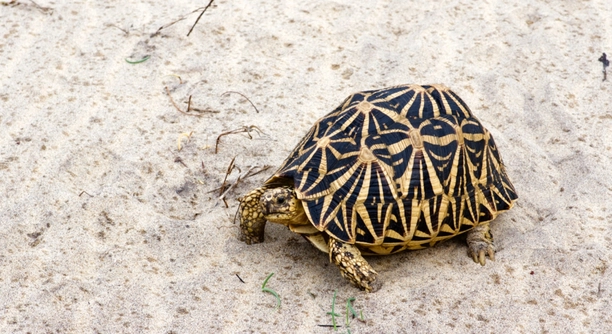
Are you noticing signs that your Indian Star Tortoise might not be comfortable in its current living space? It’s important to pay attention to these subtle clues as they can help ensure your tortoise’s well-being.
Your Indian Star Tortoise may require more space if it exhibits signs of stress, limited mobility, or repetitive behaviors. Providing a larger, more suitable enclosure can help reduce these issues and promote better health and overall comfort for your pet.
Understanding the space needs of your tortoise will help you create an environment that supports its physical and mental health. Consider adjustments to ensure its happiness and vitality in the long term.
Lack of Room to Roam
One of the most obvious signs your Indian Star Tortoise needs more space is its lack of movement. Tortoises are naturally active creatures, and when they are confined to a small space, they may not have room to roam and explore. In a cramped enclosure, they may exhibit more lethargy, showing little interest in moving around or foraging for food. This can lead to boredom and even stress, both of which can affect your tortoise’s health. By providing a larger area, you allow your tortoise to engage in its natural behaviors and improve its overall quality of life.
A larger space will give your tortoise the ability to explore, exercise, and engage in a variety of behaviors that are essential for its well-being. Consider increasing the size of its habitat to encourage movement.
A spacious enclosure helps mimic the tortoise’s natural environment, providing room for activities like climbing, digging, and basking in different areas. These activities are crucial for maintaining physical and mental health, and by providing a larger space, you also reduce the chances of stress-related behaviors that can lead to health issues.
Inadequate Hiding Spots
If your tortoise doesn’t have enough hiding spots, it could be a sign that the enclosure is too small. These animals feel safest when they have an area to retreat to.
Tortoises naturally seek shelter when they feel stressed or need to rest. When there isn’t enough space to create multiple hideouts, your tortoise may feel more exposed and uncomfortable. This can result in stress, which can affect its eating habits and general mood. Ensure there is enough room to add suitable hiding spots, like rocks or small caves, which will provide your tortoise with the comfort it needs. A variety of hiding places within a larger space gives them options for retreat, which reduces stress.
A small space forces your tortoise into a limited area where it feels more vulnerable, heightening anxiety. Expanding the enclosure allows for more places to hide, improving both comfort and health. The ability to choose different retreat areas gives your tortoise peace of mind, which is vital for its well-being. Adding hiding spots in the new space can significantly improve its comfort level, reduce stress, and promote natural behaviors.
Limited Basking Areas
If your Indian Star Tortoise’s enclosure lacks multiple basking areas, it may be an indicator that the space is too small. These tortoises need various spots to soak in heat, which helps regulate their body temperature and supports proper digestion.
A larger enclosure offers the opportunity to set up several basking spots, allowing your tortoise to choose the area that feels most comfortable. This also provides variety and helps mimic natural conditions, where the tortoise would have access to different warmth levels throughout the day. Without enough space for basking, your tortoise may struggle to regulate its temperature effectively.
Offering multiple basking spots with access to different heat sources ensures that your tortoise stays comfortable and healthy. By expanding the space, you can include both a warm basking area and cooler zones, letting your tortoise self-regulate. This is critical for maintaining its health, as consistent exposure to both heat and cooler environments promotes a well-balanced metabolism and immune system. More space means a better chance of replicating these natural conditions.
Aggressive Behavior
In a confined environment, your tortoise may display signs of aggression, either towards its enclosure or even towards you. When animals are stressed from not having enough room to move freely, they can act out by displaying territorial behaviors or becoming more defensive.
A small, cramped enclosure can lead to frustration, causing your tortoise to feel trapped and irritated. This may result in behavior such as head-bobbing, biting, or excessive digging. Expanding the living area gives the tortoise the freedom to move and retreat when needed, reducing frustration and creating a more peaceful environment.
More space allows your tortoise to create its own boundaries and provides areas for it to escape from stressful situations. This not only helps reduce aggressive tendencies but also promotes a healthier, happier tortoise. By offering a more spacious home, you help prevent harmful behavior patterns from developing and ensure a more relaxed atmosphere. A larger enclosure means less frustration and more positive interactions for both you and your pet.
Difficulty Finding Food
When your tortoise is in a cramped space, it may struggle to find its food, as there’s limited room to forage. This can lead to missed meals or reduced interest in eating, affecting its overall health.
With more space, your tortoise has more opportunities to move around and search for food, just like it would in the wild. This not only encourages natural foraging behavior but also ensures it is eating a balanced diet. A larger enclosure can provide enough variety and room to place food in multiple spots, making meals more stimulating and rewarding.
Poor Shell Health
A lack of space can result in poor shell growth and health. When a tortoise is unable to move freely or exercise, it can lead to deformities or other shell-related issues over time.
More space promotes better movement and exercise, which helps prevent health issues. With room to walk, dig, and explore, your tortoise is better equipped to maintain strong and healthy shell growth. A larger environment supports physical activity, which is vital for maintaining proper shell development and preventing malformation caused by confinement.
FAQ
What size enclosure does my Indian Star Tortoise need?
The general rule is that your tortoise’s enclosure should be at least 4 times the length of its shell. For a small tortoise, a 40-gallon tank might be sufficient, but as it grows, it will need more space. A larger space allows for better movement and more opportunities for natural behaviors. A bigger habitat can help your tortoise thrive, allowing for different temperature zones, hiding places, and basking areas.
Can I keep multiple tortoises in the same enclosure?
It’s possible to keep multiple tortoises together, but it requires ample space. Indian Star Tortoises can be territorial, especially in smaller enclosures. If you’re planning to house more than one tortoise, make sure the space is large enough for them to establish their own territories. This will help avoid stress and aggression between them.
How can I tell if my tortoise is stressed from a lack of space?
Signs of stress include reduced activity, excessive digging, aggressive behavior, and poor appetite. Your tortoise might also display more defensive behaviors, such as head-bobbing or even attempting to bite. These are all indications that it needs more space to move freely and feel secure. If you notice these behaviors, it’s time to rethink the size of the enclosure.
What should I include in my tortoise’s larger habitat?
A well-designed tortoise enclosure should have multiple basking areas, hiding spots, and access to both warm and cooler areas. Include places where your tortoise can dig, climb, and explore. You can also add plants and rocks, which simulate its natural environment. The more varied the space, the better it will be for your tortoise’s health and happiness.
Can a small enclosure cause shell deformities?
Yes, a small enclosure can cause shell deformities. Lack of movement and exercise can lead to an improperly developed shell. The tortoise’s shell needs room to grow and strengthen, and a cramped space prevents this. A larger habitat provides the space for the tortoise to move around, dig, and stretch, supporting proper shell development.
How do I maintain the proper temperature in a larger enclosure?
In a larger enclosure, maintaining the proper temperature is crucial. You’ll need both warm and cooler zones. Use heat lamps or ceramic heat emitters to create a basking area. Ensure the cooler zones allow your tortoise to regulate its body temperature by moving between different temperatures. A thermometer will help you monitor the temperature regularly.
How often should I clean my tortoise’s larger enclosure?
Cleaning your tortoise’s habitat should be done regularly. In a larger space, spot clean daily to remove uneaten food, waste, and debris. A full clean, including washing the entire enclosure and changing the substrate, should be done at least once a week. Keeping the environment clean prevents the buildup of bacteria and other harmful elements.
How can I tell if my tortoise is happy in a larger space?
A happy tortoise will be active, moving around the enclosure, foraging for food, and basking regularly. You may also see it digging, climbing, or interacting with objects in its environment. A healthy appetite and proper shell growth are also signs that your tortoise is content with the space it has.
Is a larger enclosure difficult to manage?
While a larger enclosure may seem daunting, it’s easier to maintain than you might think. The key is to ensure it’s appropriately set up with designated areas for basking, hiding, and eating. Cleaning becomes a routine, and your tortoise will be healthier and happier in a spacious environment, making it well worth the effort.
Can I use a garden or outdoor space for my tortoise?
Yes, an outdoor space can be ideal for your tortoise, provided it’s secure and safe. Outdoor enclosures should be escape-proof, with barriers to prevent your tortoise from wandering off. The space should also provide both sun and shade, as well as access to clean water and a safe, dry area for nighttime.
What is the best substrate for a larger tortoise enclosure?
The best substrate should be natural, absorbent, and easy to clean. You can use a mix of coconut coir, grass hay, and soil to provide a comfortable environment for your tortoise. Avoid sand or loose gravel, as they can cause digestive issues if ingested. Keep the substrate dry, and spot clean it regularly to maintain hygiene.
How do I prevent my tortoise from getting lost in a larger enclosure?
If your tortoise is kept in a large space, make sure it has clear boundaries, such as a defined sleeping area, food, and water stations. Keeping the layout organized with visible landmarks or obstacles will help your tortoise orient itself. This ensures it feels secure and won’t get disoriented in the larger habitat.
Do tortoises need a water bowl in their enclosure?
Yes, your tortoise will need access to fresh water at all times. A shallow water bowl is best for your tortoise to drink from and soak in. The water should be changed daily to keep it clean and fresh. In a larger enclosure, ensure the bowl is placed in an easily accessible area and monitored for cleanliness.
How much space does my tortoise need as it grows?
As your tortoise grows, so should its space. For an adult Indian Star Tortoise, you’ll need at least 10-12 square feet of space per tortoise. Larger spaces offer more opportunities for the tortoise to engage in natural behaviors, like exploring and basking, which are essential for its physical and mental well-being.
What are the benefits of a larger tortoise enclosure?
A larger enclosure promotes better health by providing room for exercise, proper basking, and mental stimulation. It also helps reduce stress and aggressive behavior, improving the tortoise’s overall happiness. Additionally, a larger space makes it easier to maintain temperature zones and keep the environment clean, leading to a more comfortable and sustainable habitat for your tortoise.
Final Thoughts
Providing your Indian Star Tortoise with enough space is essential for its well-being. A small, cramped enclosure can lead to stress, poor health, and limited natural behavior. Tortoises are naturally active animals that need room to roam, dig, and forage. Without this, they may become lethargic or even develop physical problems like shell deformities. When you invest in a larger habitat, you’re not just improving the physical environment, but also supporting their mental and emotional health.
It’s also important to consider other factors, such as temperature, humidity, and enrichment, when creating a larger space. A properly set-up enclosure will have temperature gradients, hiding spots, and areas for basking. The more opportunities your tortoise has to engage in natural behaviors, the better it will be for its overall health. It’s not only about the size of the space but the way it’s arranged. Variety in the environment encourages your tortoise to explore, which is crucial for its development.
Remember, a larger space requires more effort in terms of maintenance and cleaning. However, the rewards far outweigh the challenges. A healthy, happy tortoise will thrive in an environment that mimics its natural habitat as closely as possible. Giving your tortoise more space is an investment in its long-term health and well-being, helping it to live a fuller, more active life.

Hello,
If you enjoy the content that we create, please consider saying a "Thank You!" by leaving a tip.
Every little bit helps us continue crafting quality advice that supports the health, happiness, and well-being of pets around the world, for pets of all shapes, sizes, and species.
We really appreciate the kindness and support that you show us!