
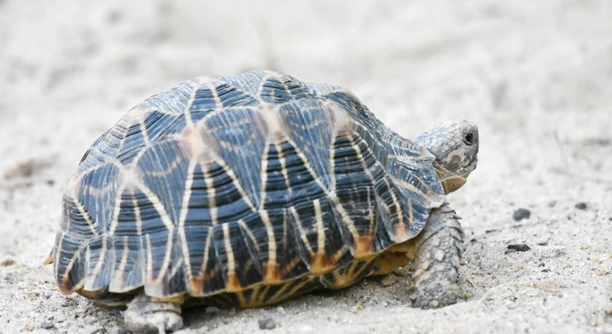
Indian Star Tortoises require adequate space to thrive. If your tortoise seems to be outgrowing its enclosure, it might be time to consider upgrading its living conditions for better health and comfort.
A cramped tank can lead to stress and health issues for your tortoise. Signs such as difficulty moving, lack of appetite, or shell deformities may indicate that the tank is too small and needs to be larger for proper growth.
Providing enough space for your tortoise to roam freely is crucial for its well-being. Understanding these signs will help you create a better habitat for your pet.
Signs Your Tortoise Is Feeling Cramped
If your Indian Star Tortoise is constantly trying to escape its tank, it could be a sign that it no longer feels comfortable in its environment. A tank that’s too small limits its movement, creating stress and discomfort. This may lead to behavioral changes, such as reduced activity, lethargy, or attempts to climb the tank’s walls. These behaviors suggest that the space isn’t sufficient for its size. If your tortoise has grown significantly, or if you’ve noticed any physical changes, it might be time to reassess the tank size and provide a larger enclosure.
The space should allow your tortoise to move around freely and offer room for natural behaviors like exploring and hiding. A small tank doesn’t just limit mobility; it can also lead to anxiety and long-term health issues. A larger tank gives your pet the opportunity to maintain a healthy lifestyle.
Larger enclosures also allow for proper temperature and humidity control, both essential for a tortoise’s well-being. These factors, combined with a spacious environment, reduce the risk of stress-related illnesses and promote natural behaviors. A tank upgrade helps keep your pet comfortable, leading to a healthier and happier life.
Tank Setup Considerations
The tank size should not only accommodate your tortoise’s current size but also allow for future growth. As a general guideline, an enclosure of at least 40 gallons is recommended for a single tortoise.
Make sure the new setup includes features that encourage exploration, such as hiding spots, flat surfaces for basking, and enough space to walk around. It’s crucial to arrange the tank in a way that promotes natural movement and comfort for your pet.
Physical Changes in Your Tortoise
If you notice your tortoise’s shell starting to show signs of deformity, it could be due to insufficient space. A cramped tank doesn’t provide the room needed for healthy growth, which may result in abnormal shell development.
A well-sized enclosure allows your tortoise to move freely, which is essential for maintaining proper shell growth. When a tank is too small, your tortoise might be unable to stretch or roam as needed, leading to weak, uneven shell formation. Over time, this can cause more severe health issues. A spacious environment promotes better posture and overall shell health.
Regularly inspect your tortoise’s shell for any soft spots or changes in shape. Deformed shells can be a sign of malnutrition or inadequate space. If your pet’s shell shows signs of stress, consider upgrading to a larger tank immediately to prevent any further damage.
Stress and Aggression in a Small Tank
A small tank can lead to increased stress, making your tortoise more irritable or even aggressive. If your tortoise seems to be constantly hiding or displaying defensive behaviors, it may be a result of feeling confined.
Increased stress can lead to a lack of appetite, lethargy, and changes in your tortoise’s natural behavior. The constant feeling of being restricted causes unnecessary tension, affecting the tortoise’s overall health. It is important to ensure your tortoise has enough space to avoid these stress-induced issues. A larger tank with ample room to roam can reduce the stress levels significantly.
Improper space also affects their social behavior, even if they are solitary creatures. With enough room, your tortoise will feel less anxious and more comfortable in its surroundings, which directly impacts its mood and health.
Decreased Activity Levels
If your tortoise is less active than usual, it may be due to lack of space. A small tank restricts its ability to roam, leading to a more sedentary lifestyle. Reduced activity can cause muscle weakness and long-term health problems.
Your tortoise may stop exploring its environment if the space doesn’t provide enough room for movement. A lack of exercise results in physical stiffness and a drop in overall energy levels. By increasing the tank size, your tortoise will have room to roam, encouraging activity that is essential for maintaining a healthy lifestyle.
Temperature Regulation Problems
Proper space is essential for temperature regulation in your tortoise’s tank. A small tank doesn’t allow for a proper gradient between warm and cool areas.
A larger tank allows you to create distinct temperature zones, which is important for your tortoise’s well-being. Your tortoise needs access to both warm and cool areas to regulate its body temperature efficiently. A tank upgrade gives you the flexibility to set these gradients properly, making sure your tortoise stays comfortable and healthy.
FAQ
How much space does an Indian Star Tortoise need in its tank?
An Indian Star Tortoise should have at least 40 gallons of space for a single adult. A larger enclosure, such as a 75-gallon tank, is even better for ensuring they have enough room to move around. Space is crucial for their physical and mental well-being.
Can a small tank affect my tortoise’s shell growth?
Yes, a small tank can contribute to improper shell growth. When your tortoise lacks space to move, it might experience deformities in its shell, such as uneven or soft areas. Ensuring your tortoise has enough room can help maintain a healthy shell and overall growth.
What are the signs that my tortoise needs a larger tank?
Signs that your tortoise needs a bigger tank include reduced activity, attempts to escape, shell deformities, lack of appetite, or stress-related behaviors. If your tortoise seems cramped or uncomfortable, upgrading the tank size is necessary to promote its health and comfort.
Is a 40-gallon tank enough for a baby tortoise?
For a baby tortoise, a 40-gallon tank can suffice initially, but as they grow, a larger tank will be necessary. A smaller tank may limit their movement, so consider upgrading as your tortoise grows to ensure it has enough space for natural behaviors.
What should I include in a larger tank for my tortoise?
In a larger tank, include areas for basking, hiding spots, and enough space for your tortoise to move around. A substrate like coconut coir or sand provides a comfortable environment. You should also have a heat lamp for temperature control and UVB light for proper shell health.
Can I keep two Indian Star Tortoises in the same tank?
Indian Star Tortoises can be kept together, but it’s important to have enough space for each one. A single tortoise should have a 40-gallon tank, so for two tortoises, you’ll need at least 80 gallons. Be aware that territorial behavior can sometimes occur, so monitor them closely.
How often should I clean my tortoise’s tank?
Cleaning the tank once a week is a good rule of thumb, but you should spot clean daily, removing any waste or uneaten food. Regular cleaning prevents the buildup of harmful bacteria that can affect your tortoise’s health. Make sure to sanitize the tank thoroughly once a month.
How do I know if the temperature in my tortoise’s tank is correct?
Use a thermometer to check the temperature in different areas of the tank. There should be a warm area (around 90°F) and a cooler area (around 75°F). Proper temperature regulation allows your tortoise to thermoregulate, which is essential for digestion and overall health.
Can I use a glass tank for my Indian Star Tortoise?
A glass tank can work for your tortoise, but it’s important to ensure it is large enough. Glass tanks help with visibility but may not offer proper ventilation, so make sure there is adequate airflow. Alternatively, you can use a large plastic or wooden enclosure for better insulation.
What happens if I don’t provide enough space for my tortoise?
Not providing enough space can lead to stress, aggression, decreased activity, and health issues. A cramped tank can result in abnormal shell growth, lethargy, and improper digestion. Your tortoise will have a better quality of life with sufficient space, leading to better health and happier behavior.
How can I provide a natural environment for my tortoise in a larger tank?
To create a natural environment, include hiding places like rocks or logs, as well as plants that are safe for tortoises. Provide a shallow water dish for hydration and a space for basking under a heat lamp. These elements will mimic the tortoise’s natural habitat and make it feel more comfortable.
Final Thoughts
Providing a proper tank size for your Indian Star Tortoise is crucial for its well-being. As a slow-moving species, they need enough room to roam, stretch, and engage in natural behaviors. A small tank can lead to various health issues, including stress, inactivity, and abnormal shell growth. Ensuring your tortoise has the space it needs will help it thrive, both physically and mentally.
When choosing the right size for your tortoise’s tank, it’s important to consider its age and size. While a 40-gallon tank may be suitable for a baby tortoise, adults require a much larger space to remain comfortable. Larger tanks allow for proper temperature regulation, essential for their health. A spacious environment also helps reduce stress and the risk of aggressive behavior. The more room your tortoise has to move, the better it will adapt to its surroundings.
Ultimately, creating a proper environment for your tortoise is about more than just the tank size. It involves maintaining the right temperature, providing the right substrate, and offering plenty of hiding spots and basking areas. By giving your tortoise a comfortable, spacious environment, you will ensure its health and happiness for years to come. A well-cared-for tortoise is an active, thriving companion that will reward you with years of enjoyment.

Hello,
If you enjoy the content that we create, please consider saying a "Thank You!" by leaving a tip.
Every little bit helps us continue crafting quality advice that supports the health, happiness, and well-being of pets around the world, for pets of all shapes, sizes, and species.
We really appreciate the kindness and support that you show us!