
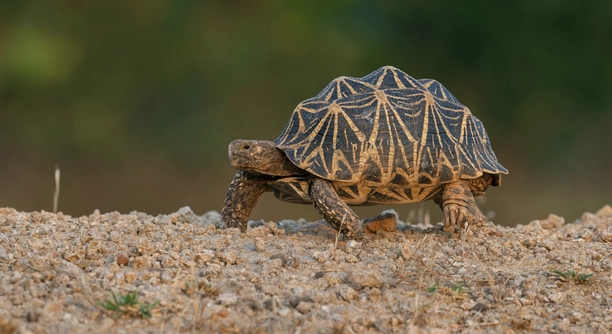
Indian Star Tortoises are fascinating creatures, and their care requires attention to various aspects of their health. Understanding their behavior can help ensure they thrive. One of these aspects is recognizing when your tortoise might be pregnant.
Pregnancy in Indian Star Tortoises can be identified through several key signs, such as changes in appetite, behavior, and body shape. These signs may include increased nesting behavior, restlessness, and a swollen abdomen. Being aware of these signs is crucial for their care.
Understanding these signs is essential for maintaining the well-being of your tortoise. Taking the right steps during this time can ensure their health and the health of any potential offspring.
Changes in Appetite
Pregnancy often leads to noticeable changes in your Indian Star Tortoise’s appetite. You may notice your tortoise eating more than usual, especially in the weeks leading up to laying eggs. On the other hand, some may show a slight decrease in food intake. This is typical, as their body is undergoing hormonal changes and preparing for egg-laying. It’s important to monitor their food intake during this time and adjust their diet as necessary to ensure they are receiving the proper nutrients.
Offering a variety of foods can help maintain a balanced diet, ensuring your tortoise remains healthy throughout the pregnancy. Make sure they have access to fresh leafy greens and appropriate calcium-rich foods to support egg development.
If their appetite fluctuates dramatically or they refuse to eat for extended periods, it may be worth consulting a veterinarian. Proper care and nutrition will support your tortoise through this stage and help prevent complications.
Nesting Behavior
As your Indian Star Tortoise nears the time of laying eggs, you may notice changes in behavior. Pregnant tortoises often begin to exhibit nesting behavior, such as digging. They may repeatedly search for a quiet, secluded spot in their habitat to dig into the substrate. This instinct is driven by the need to create a safe environment for laying eggs.
Providing a suitable nesting area is essential. Create a space with moist soil or sand where your tortoise can dig comfortably. Make sure the area is large enough to accommodate their digging behavior. Be patient, as they may spend hours preparing the nest.
Being mindful of this nesting behavior ensures your tortoise feels secure and has the proper conditions to lay eggs safely.
Restlessness
Pregnant tortoises often become restless as they near egg-laying time. They may pace more than usual or seem agitated. This behavior can be linked to hormonal changes and a natural desire to find a suitable place to lay eggs. Keeping their environment calm and stress-free is important during this time.
Providing a peaceful, quiet environment will help reduce unnecessary stress for your tortoise. Ensure they have access to a spacious enclosure where they can move freely. You may also want to limit handling during this period to avoid making them more agitated. Monitor their behavior and make sure they have everything they need.
If the restlessness becomes extreme or if they appear unable to settle, it’s a good idea to check their living space for any changes that might be affecting their comfort. Adjusting their habitat can help calm them down and make them feel more at ease.
Swollen Abdomen
A visibly swollen abdomen is one of the key signs that your Indian Star Tortoise might be pregnant. This is often noticeable in the later stages of pregnancy when the eggs develop inside the tortoise’s body. The abdomen will appear noticeably rounder and firmer compared to its usual shape.
Monitoring your tortoise’s body shape is crucial. If the swelling increases over time, it could indicate the presence of eggs. In addition, the tortoise may become more sensitive or protective of their abdomen, especially when touched. This is due to the pressure from the developing eggs, and it is important to avoid handling them excessively.
While some swelling is normal, any sudden or severe changes should be evaluated by a vet. Excessive swelling or discomfort might suggest complications, which could require medical attention. Always err on the side of caution when it comes to your tortoise’s health.
Increased Hiding
Pregnant tortoises often seek out hiding places. This behavior is linked to the instinct to find a safe, secure area for laying eggs. If your tortoise is spending more time hiding or burrowing, it’s a sign they may be preparing for the arrival of eggs.
You can create a hiding area by adding more substrate or decorations, such as logs or rocks. This gives your tortoise a place to feel secure. However, avoid disturbing them while they’re in these areas, as it could cause stress. Provide quiet, undisturbed space to support this natural behavior.
Changes in Activity Level
Indian Star Tortoises may become less active or more lethargic during pregnancy. As their body focuses on developing eggs, they may spend more time resting and less time exploring. It’s essential to allow them the quiet time they need to conserve energy.
While some level of inactivity is normal, ensure your tortoise still has access to adequate food, water, and a comfortable environment. Excessive lethargy, especially if combined with other symptoms, might indicate a need for veterinary care. Monitoring their behavior and activity levels helps keep their health in check during this time.
FAQ
How long is the gestation period for an Indian Star Tortoise?
The gestation period for an Indian Star Tortoise typically lasts between 60 and 90 days. However, this can vary depending on factors such as temperature, the tortoise’s age, and environmental conditions. Keeping the habitat within the ideal temperature range is crucial for supporting the pregnancy. Too high or low temperatures can cause complications.
What should I feed my pregnant tortoise?
A pregnant tortoise should be given a nutritious diet rich in calcium, fiber, and vitamins. Offer a variety of leafy greens such as dandelion greens, collard greens, and mustard greens. Additionally, adding calcium supplements or cuttlebone can help support egg production and shell health. Ensure a balanced diet to prevent nutrient deficiencies.
How can I create a proper nesting area for my tortoise?
Provide a moist, sandy substrate for nesting. A shallow container filled with sand or soil can be placed in a secluded corner of their enclosure. The substrate should be deep enough to allow the tortoise to dig comfortably. Keep the area quiet and undisturbed to avoid stressing the tortoise during this time.
Can I handle my pregnant tortoise?
Handling a pregnant tortoise should be limited, especially during the later stages of pregnancy. Excessive handling can cause unnecessary stress and may disrupt their nesting instincts. If you must handle them, do so gently and for short periods. Always observe their behavior and avoid disturbing them while they’re resting or nesting.
What are the signs that my tortoise is about to lay eggs?
When the tortoise is about to lay eggs, you may notice an increase in digging behavior. They will search for a secluded spot to dig a hole in which to lay their eggs. You may also notice swelling in their abdomen as the eggs become visible. These behaviors typically happen just days before laying.
Can I expect my tortoise to lay eggs in a single batch?
Indian Star Tortoises usually lay multiple eggs at a time. The number can range from 2 to 12 eggs per clutch, depending on the tortoise’s size and age. Some tortoises may lay more than one clutch in a season. If you’re unsure about how many eggs your tortoise has laid, gently check the nest after they’ve finished.
What do I do if my tortoise is not laying eggs?
If your tortoise shows signs of pregnancy but has not laid eggs after a period of time, it could be a sign of egg retention, which is a medical condition. This can happen if the tortoise doesn’t have the proper environment to lay eggs. If this happens, it’s essential to consult a veterinarian to prevent complications.
Should I worry if my tortoise is not eating during pregnancy?
A slight decrease in appetite is normal for pregnant tortoises, but a complete loss of appetite for an extended period should be taken seriously. If your tortoise refuses to eat for more than a few days, this could be a sign of stress or a health issue. Seek veterinary advice if their refusal to eat continues.
What should I do if my tortoise seems sick during pregnancy?
If your tortoise shows signs of illness, such as lethargy, a loss of appetite, or abnormal behavior during pregnancy, it’s important to consult a veterinarian as soon as possible. Pregnancy can be taxing on their body, and any underlying health issues should be addressed promptly to avoid complications.
Is it safe to breed my tortoise?
Breeding Indian Star Tortoises should be approached with caution. Breeding should only be attempted if both tortoises are healthy, of appropriate age, and have the proper living conditions. It’s also essential to consider whether you can provide homes for the offspring. Breeding should be done responsibly and in line with conservation efforts.
How can I tell if my tortoise is healthy while pregnant?
A healthy pregnant tortoise will exhibit clear signs of good health, including a strong appetite, alertness, and a normal level of activity. Their shell should be smooth, and their skin should look vibrant. If you notice any drastic changes in behavior, appearance, or health, consult a veterinarian immediately.
How can I prevent egg binding in my tortoise?
To prevent egg binding, ensure your tortoise has access to a proper nesting area with a suitable substrate. A well-maintained habitat with the right temperature, humidity, and lighting is essential. Providing adequate calcium and ensuring your tortoise is not stressed will also help prevent egg binding. If the issue arises, a vet should be consulted.
Do pregnant tortoises require special lighting?
Pregnant tortoises require a consistent light cycle with UVB light for proper calcium absorption. The lighting should mimic the natural sunlight pattern. Providing proper UVB lighting will help your tortoise absorb the calcium needed for healthy egg production. Ensure their enclosure is equipped with both UVA and UVB light to meet their needs.
Can I keep other reptiles with my pregnant tortoise?
It’s advisable to keep your pregnant tortoise in a separate enclosure, especially if the other reptiles might cause stress or competition for food. Pregnancy can make tortoises more sensitive to disturbances. Providing them with a calm, undisturbed environment helps them to feel secure during this delicate time.
Should I change the temperature in the enclosure for a pregnant tortoise?
The temperature in the enclosure should remain stable throughout the pregnancy. Ideally, it should range from 75°F to 85°F during the day, with a slight drop at night. Avoid drastic temperature fluctuations, as this can cause stress and disrupt the pregnancy. Keep the environment warm enough to encourage egg development, but not too hot.
Final Thoughts
Pregnancy in Indian Star Tortoises can be a delicate and exciting time. It’s essential to monitor your tortoise closely for signs of pregnancy, such as changes in behavior, eating habits, and physical appearance. Being aware of these signs will allow you to provide the best care for your tortoise during this period. Offering a calm environment, proper diet, and suitable nesting space are key to supporting the health of both the mother and her eggs. Understanding these factors will help you prevent any potential issues, such as egg binding or stress-related complications.
It’s also crucial to avoid unnecessary handling, as pregnant tortoises may become more sensitive to touch. Respect their need for privacy, particularly when they are preparing to lay eggs. Ensure that their enclosure is set up to provide a proper temperature, humidity, and lighting to encourage egg development and overall well-being. A healthy tortoise will thrive in an environment that caters to their specific needs. If you’re unsure about any changes in behavior or health, it’s always a good idea to consult a veterinarian with experience in reptiles.
Finally, patience is key during the pregnancy process. Each tortoise is different, and the time it takes for them to lay eggs may vary. Keep a close eye on their nesting behavior and be prepared to help if necessary. By understanding the signs of pregnancy and taking proactive steps to care for your tortoise, you can ensure a smooth process. With proper care, your tortoise can safely lay her eggs and return to her usual routine. Always prioritize the health and comfort of your tortoise, and take action if you notice anything unusual.

Hello,
If you enjoy the content that we create, please consider saying a "Thank You!" by leaving a tip.
Every little bit helps us continue crafting quality advice that supports the health, happiness, and well-being of pets around the world, for pets of all shapes, sizes, and species.
We really appreciate the kindness and support that you show us!