
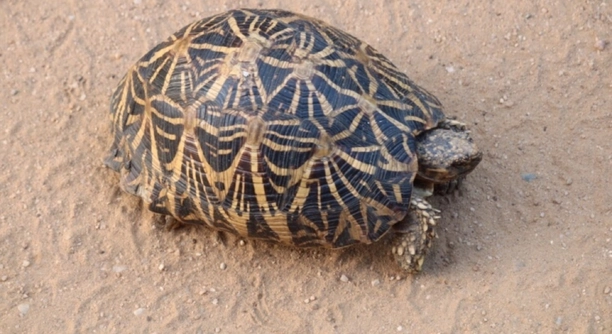
An Indian star tortoise requires specific care to thrive, including a balanced diet and proper hydration. However, overhydration can lead to health issues that may affect its overall well-being. Understanding the signs of overhydration is essential.
Overhydration in Indian star tortoises can result from excessive access to water or poor humidity control. Symptoms such as swelling, bloating, or lethargy may occur, indicating that the tortoise’s water intake needs adjustment to maintain optimal health.
Recognizing these signs early can help prevent complications and ensure your tortoise remains healthy. Keep reading to learn more about how to spot the symptoms and what steps to take for proper care.
Common Signs of Overhydration in Your Indian Star Tortoise
Overhydration can cause several issues in your tortoise, and recognizing the signs early can help address them quickly. One of the most noticeable symptoms is bloating. If your tortoise’s body looks puffed up or swollen, it may indicate that it has absorbed too much water. Excessive water intake can also lead to lethargy. A normally active tortoise may become unusually sluggish or seem uninterested in moving around. These changes can occur over a few days, so it’s important to keep a close watch.
Swelling and lethargy are the first indicators of overhydration. If you see your tortoise struggling to move or appearing bloated, it’s a clear sign that it needs fewer water sources. Adjusting its hydration can help restore normal behavior.
Dehydration and overhydration both impact your tortoise’s health. While dehydration leads to lethargy and dryness, overhydration has a similar effect but can also cause more serious complications. Your tortoise’s condition will give you a good idea of its water balance, helping you determine if it’s drinking too much. Keep the enclosure’s humidity levels in check and only provide water when necessary.
How to Adjust Water Intake and Hydration Levels
The best way to address overhydration is to reduce the amount of water your tortoise has access to at once. Provide a shallow water dish that’s just enough for your tortoise to drink from without soaking its entire body. Over time, you’ll find the right balance for your pet’s hydration needs.
Pay attention to how much water your tortoise consumes each day. Excessive water intake can lead to bloating and lethargy, so it’s important to offer water in moderation. Reducing the frequency of water changes may also help in regulating its hydration. Keeping the environment dry can further support this.
The Importance of Proper Humidity Levels
Humidity plays a significant role in your tortoise’s hydration. Too much moisture in the environment can lead to overhydration, causing swelling and lethargy. Ensure that the enclosure has the right balance of humidity to prevent these issues.
The ideal humidity range for an Indian star tortoise is around 50-60%. If the enclosure is too humid, it may cause your tortoise to absorb excess water through its skin. This can lead to bloating and sluggish behavior. A hygrometer can help you measure the humidity levels in the enclosure, allowing you to make adjustments as needed. It’s crucial to maintain this balance to avoid health complications.
One way to control humidity is to adjust the misting or water sources in the enclosure. Avoid soaking the bedding or allowing water to pool in the habitat, as it increases the chance of overhydration. Keeping the environment slightly dry will help your tortoise maintain the proper hydration level without being at risk for excessive water absorption.
Monitoring Diet to Prevent Overhydration
A well-balanced diet helps maintain hydration without the risk of overhydration. Fruits and vegetables with high water content should be given in moderation. Overfeeding such foods can contribute to excess water intake.
Offering a variety of vegetables like kale, dandelion greens, and collard greens is important for your tortoise’s nutrition. However, you must avoid feeding water-rich fruits, such as cucumbers, excessively. These fruits can increase hydration levels in your tortoise, leading to unwanted symptoms like bloating. Stick to foods that have lower water content to keep your tortoise’s water intake in check. The right diet helps maintain a healthy balance without overloading the tortoise’s system.
Keep an eye on how your tortoise reacts to its diet. If you notice signs of overhydration, such as lethargy or swelling, reduce the amount of water-rich foods you’re offering.
The Role of Substrate in Hydration Control
The substrate in your tortoise’s enclosure can impact its hydration levels. Moist or overly wet bedding can trap moisture, contributing to overhydration. Make sure the substrate is dry and well-draining to help maintain proper humidity levels.
A good choice for bedding is dry, absorbent material like coconut coir, which helps regulate moisture without causing overhydration. Avoid using substrates like moss or wet soil, as they can retain water and increase humidity. When setting up the enclosure, check that the substrate is not too damp and replace it as needed to keep the environment balanced.
Impact of Water Dish Size and Placement
The size and placement of the water dish in the enclosure matter. If it’s too large, your tortoise may sit in it for extended periods, leading to overhydration. Keep the dish small enough to prevent this but large enough for drinking.
The water dish should be shallow enough to avoid your tortoise soaking in it. Place it in a corner of the enclosure so your tortoise can access it easily without spending too much time in or near it. Monitor the amount of water left in the dish to ensure it’s not being overused.
Avoiding Overhydration During Seasonal Changes
As the temperature and humidity levels fluctuate with the seasons, it’s important to monitor your tortoise’s hydration closely. In warmer months, the tortoise may drink more often, which could lead to overhydration if not carefully managed.
FAQ
What are the signs that my Indian star tortoise is overhydrated?
The most noticeable signs of overhydration in an Indian star tortoise are swelling, bloating, and lethargy. If your tortoise appears unusually puffy or its body seems bloated, it may have absorbed too much water. Lethargy, where the tortoise is less active or sluggish, is another sign of overhydration. Additionally, you may notice your tortoise drinking more water than usual, or it may spend extended periods in its water dish. Overhydration can also cause a lack of appetite and abnormal behavior, so it’s important to monitor these changes closely.
How can I prevent my tortoise from becoming overhydrated?
To prevent overhydration, ensure that the humidity levels in your tortoise’s enclosure are balanced and that the water dish is not too large. Avoid excessive misting, and be careful with the type of bedding you use. Opt for dry, absorbent materials such as coconut coir, which won’t hold moisture excessively. Limit the number of water-rich foods, such as cucumbers and watermelon, that you offer. Instead, focus on providing vegetables with lower water content. Additionally, monitor your tortoise’s water intake to ensure it isn’t drinking too much at once.
How much water should I provide for my tortoise?
The amount of water your tortoise needs depends on factors like its size, age, and environmental conditions. Typically, an Indian star tortoise should have access to fresh water daily, but the water should be provided in a shallow dish to prevent overhydration. Make sure the dish is large enough for your tortoise to drink but not so large that it encourages your tortoise to soak in it. Water should be changed regularly to ensure it remains clean and fresh. Be mindful of the temperature and humidity of the enclosure as well, as they can influence your tortoise’s water intake.
Can overhydration be harmful to my tortoise?
Yes, overhydration can cause serious health problems for your tortoise. If left unaddressed, it can lead to excessive bloating, swelling, and lethargy, which may indicate that the tortoise’s body is struggling to process the excess water. In severe cases, overhydration can cause digestive issues, weight loss, and even respiratory distress. It can also weaken the tortoise’s immune system, making it more susceptible to infections. Immediate action should be taken if you suspect your tortoise is overhydrated, including adjusting its water intake and environmental conditions.
How can I adjust the humidity in the enclosure?
To adjust the humidity levels in your tortoise’s enclosure, you can use a hygrometer to measure the moisture content in the air. If the humidity is too high, reduce the frequency of misting and allow for better ventilation. You can also use a fan to help regulate airflow and reduce excess moisture. If the humidity is too low, you can add a humidifier or slightly mist the enclosure, but be cautious not to overdo it. Proper humidity is essential for your tortoise’s health, so keep the levels within the recommended range of 50-60%.
Should I stop feeding my tortoise when it shows signs of overhydration?
If your tortoise shows signs of overhydration, you should temporarily reduce its food intake, especially water-rich vegetables and fruits. This will prevent further excess moisture from entering its system. However, do not stop feeding your tortoise completely, as it still needs a balanced diet to remain healthy. Offer dry, low-water-content foods such as leafy greens and grasses, and ensure the water dish is not too large. Reducing its water access and adjusting its diet can help your tortoise return to normal hydration levels.
Can overhydration affect my tortoise’s shell?
Yes, overhydration can affect your tortoise’s shell. If the tortoise is constantly exposed to excess moisture, its shell can become soft or weakened over time. This can lead to deformities and make the shell more susceptible to infections and injury. The shell requires a proper balance of hydration to remain healthy. If the tortoise is overhydrated, it may not be able to maintain the right shell strength, so it’s important to ensure the right amount of water and humidity is provided in the environment.
Is there a specific time of year when overhydration is more common?
Overhydration can become more common during warmer months when humidity levels tend to rise. In the summer, tortoises may drink more frequently to stay hydrated, and if the environment is too humid, they may absorb more moisture than necessary. It’s important to monitor both water intake and humidity levels during this time to prevent overhydration. In cooler months, hydration needs tend to decrease, and the risk of overhydration is lower. However, you should still monitor the enclosure’s conditions year-round to maintain a balanced environment.
How long does it take for a tortoise to recover from overhydration?
The recovery time for a tortoise depends on the severity of overhydration. If the signs are mild, such as slight bloating or lethargy, reducing water intake and adjusting the environment can lead to a full recovery in a few days. For more severe cases, it may take up to a week or longer for the tortoise to fully recover, depending on its health and how quickly the problem is addressed. If symptoms persist or worsen, it’s best to consult a veterinarian for further advice and care.
Can I give my tortoise a bath to help with overhydration?
While a bath can help hydrate your tortoise if it’s dehydrated, it’s not recommended for overhydration. A bath could worsen the symptoms by encouraging your tortoise to absorb more water. Instead, focus on adjusting its water access, humidity, and diet to correct the overhydration. If your tortoise is showing signs of extreme overhydration, contact a veterinarian for appropriate treatment.
Final Thoughts
Overhydration in Indian star tortoises is a condition that can cause serious health issues if not addressed properly. It is crucial to maintain the right balance when providing water, humidity, and hydration. Signs of overhydration, such as bloating, lethargy, and excessive drinking, should not be ignored. When caught early, it is possible to make adjustments to their environment and diet to help your tortoise recover and stay healthy. Monitoring your tortoise’s water intake, the humidity levels in its enclosure, and the types of food you provide can go a long way in preventing overhydration.
To prevent overhydration, consider using a shallow water dish that is just big enough for your tortoise to drink from, rather than a large container that encourages excessive soaking. Maintain proper humidity levels in the enclosure, and avoid over-misting, as this can cause the air to become too damp. Offering a variety of foods that are low in water content can also help regulate the amount of moisture your tortoise absorbs. Keep a close eye on your tortoise’s behavior, as changes in activity level, appetite, or behavior may indicate that its hydration levels need attention.
Taking these steps will help ensure that your Indian star tortoise remains healthy and comfortable. While overhydration can be harmful, it is entirely preventable with careful attention to its environment and daily care routine. Regular monitoring of water intake, humidity levels, and diet will ensure that your tortoise stays hydrated, without the risk of overhydration. With the right care, your tortoise can thrive and enjoy a long, healthy life.

Hello,
If you enjoy the content that we create, please consider saying a "Thank You!" by leaving a tip.
Every little bit helps us continue crafting quality advice that supports the health, happiness, and well-being of pets around the world, for pets of all shapes, sizes, and species.
We really appreciate the kindness and support that you show us!