
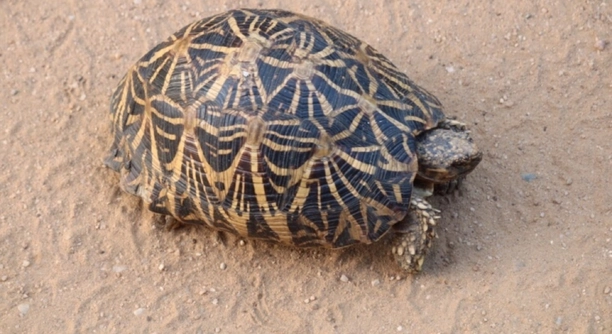
Indian Star Tortoises, like many reptiles, shed their skin throughout their life. It’s a normal process that helps them grow and stay healthy. Recognizing the signs of skin shedding can help you care for your tortoise better.
There are seven key signs that indicate your Indian Star Tortoise is about to shed its skin. These signs include changes in behavior, physical appearance, and environmental factors that encourage shedding. Recognizing these signs helps you care for your tortoise during this process.
Knowing what to look for will help ensure that your tortoise’s shedding process goes smoothly. The following signs are important to watch out for to provide the best care during this natural phase.
1. Changes in Behavior: Increased Resting Time
As your Indian Star Tortoise prepares to shed, you may notice it becoming more lethargic. This is a normal part of the shedding process, as the tortoise’s body shifts energy toward the shedding process. It may spend more time resting or hiding in its shell. This behavior signals that shedding is imminent.
Rest is essential during this phase, as your tortoise is conserving energy for the skin renewal process. It may show less interest in food and water, which is also a typical sign. Ensure it remains in a comfortable environment with minimal disturbances.
You might observe a slower pace in movement and an overall decline in activity levels. While these changes are common, it’s important not to disturb your tortoise too much. It’s crucial to create a peaceful environment, as stress can negatively impact the shedding process. Keep the habitat at the right temperature and humidity to support this natural process, which usually takes a few days to a week.
2. Dry, Flaky Skin
Dry, flaky skin is one of the most noticeable signs that your tortoise is about to shed. This change happens as the old skin begins to loosen. If you see flakes or patches of skin that appear to be peeling, it’s a sign that your tortoise is preparing to shed.
The skin might appear dull or rough in texture, especially around the edges of the scutes (the bony plates on its shell). These flaky areas may come off on their own or need some assistance in shedding. Sometimes, your tortoise might try to rub against surfaces to help remove the loose skin.
While this phase may look a bit uncomfortable for your tortoise, it’s a natural and essential part of its growth process. During this time, it’s important to ensure that the tortoise has access to fresh water, as dehydration can make the shedding process more difficult. Additionally, keeping the habitat’s humidity levels at the right range helps the skin shed more easily without causing damage or discomfort.
3. Noticeable Change in Appetite
During the shedding period, your Indian Star Tortoise may show less interest in food. This decrease in appetite is natural as the tortoise’s energy is focused on shedding. While some tortoises will continue to eat normally, many will reduce their intake or stop eating entirely for a short time.
If you notice a lack of interest in food, it is generally not a cause for concern. Make sure you offer a variety of food options, but understand that the tortoise may refuse them. Monitor the condition of your tortoise carefully. If this behavior lasts too long, it might indicate other health issues, so keep an eye on it.
It’s important not to force food upon your tortoise during this time. If it is not eating, it’s likely because the body is focusing on the process of shedding. Allow the tortoise to naturally regain its appetite once the shedding is complete, which usually happens once the old skin has fully come off.
4. Visible Changes in Shell Appearance
As the tortoise prepares to shed, you may notice changes in its shell. The scutes on its shell may become more raised or look a little dull. These changes are due to the skin loosening underneath. It can also lead to the appearance of small gaps or cracks in the scutes.
These changes are entirely normal and should not be a reason for alarm. However, it’s important to monitor the shell closely. If you see cracks or damage that worsens, there could be another issue unrelated to the shedding process. Shell changes are typically temporary and will correct themselves after the shedding is complete.
You might also see the tortoise rubbing its shell against surfaces to help loosen the skin. This behavior helps remove the old, dead skin. If the skin doesn’t shed easily, a little assistance with a gentle soak can be helpful. Make sure to avoid using harsh methods to remove the skin. Allowing the process to happen naturally is always best for your tortoise’s health.
5. Changes in Skin Texture
You might notice that your tortoise’s skin feels rougher or looser as it begins to shed. The skin starts to thicken in preparation for peeling. This roughness is a normal sign that the shedding process is underway and your tortoise is getting ready to shed its outer layer.
The skin around the head, legs, and tail might feel especially loose. This is because these areas typically shed first. You may also see a slight change in the color of the skin as the new skin underneath starts to show through. It’s a gradual process, but it is a sure sign that the shedding has begun.
6. Increased Hiding Behavior
Many tortoises will retreat into their shells or seek out hidden areas when they are about to shed. This behavior is quite common during the shedding process. Your tortoise may prefer the comfort and security of dark spaces to rest until the shedding is complete.
If you notice your tortoise hiding more than usual, try not to disturb it. It’s best to give it some space and time to go through the shedding process on its own. Ensure that the environment is still suitable for your tortoise’s well-being, with access to water and proper humidity levels.
7. Softening of the Skin
As your tortoise nears the shedding period, its skin may become softer and more pliable. This softening is an important stage of shedding, as it allows the skin to easily detach. You may notice slight changes in the tortoise’s overall body shape as the skin loosens from the underlying layers.
Make sure to provide a humid environment for your tortoise to help the skin soften further. This will make the shedding process smoother and less stressful for your pet. Avoid any harsh interventions during this time, and let the tortoise go through this natural transition at its own pace.
FAQ
How often do Indian Star Tortoises shed their skin?
Indian Star Tortoises typically shed their skin several times a year. The frequency of shedding depends on the age, health, and environmental conditions of the tortoise. Younger tortoises tend to shed more frequently, while older ones may shed less often. The shedding process occurs more often during warmer months when their metabolism is more active.
Shedding is part of their growth process, so as your tortoise matures, it may shed less often. However, the process continues throughout its life. Monitoring your tortoise’s behavior and skin condition can help you understand when it’s about to shed, so you can provide the best care.
Should I help my tortoise shed its skin?
It’s best to let your tortoise shed its skin naturally. The process is designed to be self-sufficient, and forcing it could cause unnecessary stress or injury. However, if you notice that the skin is not coming off easily, you can assist by soaking your tortoise in lukewarm water for about 15 minutes to soften the skin. This will help loosen the old skin.
Never attempt to pull off the skin yourself, as this can cause harm. If the shedding process seems unusually difficult or the skin is sticking to the shell, consult a veterinarian for advice. Keeping the humidity in its environment at the right level also aids in a smoother shedding experience.
Is it normal for a tortoise to not eat during shedding?
Yes, it’s completely normal for a tortoise to lose its appetite during the shedding process. Since the body is focusing its energy on shedding, the tortoise may not feel the need to eat. Some tortoises will stop eating for a few days or even longer. As long as the behavior doesn’t last too long, there is no cause for concern.
If your tortoise refuses to eat for more than a week or shows signs of dehydration, it’s important to monitor its health closely. Offer food that it might normally enjoy, and make sure fresh water is available. If the issue persists, contact a vet for further advice.
Can I bathe my tortoise while it’s shedding?
Yes, bathing your tortoise during shedding can actually be beneficial. Soaking in lukewarm water helps soften the skin, making the shedding process smoother and less stressful. It also encourages hydration, which is crucial during this time.
Make sure the water is not too hot or too cold. You can let your tortoise soak for 10-15 minutes. After the bath, you can gently wipe its shell and skin to help remove any loose flakes. Just avoid scrubbing or forcing off any skin yourself, as this could cause injury.
What should I do if my tortoise has trouble shedding?
If your tortoise is having trouble shedding its skin, first make sure the humidity and temperature in its habitat are appropriate. A dry environment can make shedding more difficult. You may need to increase the humidity by misting the enclosure or providing a shallow water dish that allows the tortoise to soak.
You can try soaking your tortoise in warm water to help loosen the skin, but don’t force it off. If shedding issues persist, a visit to the vet might be necessary. There could be underlying health issues affecting the skin’s ability to shed properly, such as an infection or dehydration.
Can shedding cause my tortoise any harm?
Shedding is a natural and healthy process for Indian Star Tortoises. In most cases, it does not cause harm. However, problems can arise if the skin becomes stuck or if the tortoise is not in the right environmental conditions to shed properly. Without adequate humidity, the skin may not shed as easily, leading to complications.
If the skin does not come off or seems to be causing discomfort, it’s important to consult a veterinarian. In rare cases, retained skin can lead to infections or other health issues, so it’s better to address it sooner rather than later.
Why does my tortoise’s shell look dull when it sheds?
A dull-looking shell is a common occurrence during shedding. As the skin loosens and prepares to come off, the underlying scutes may appear less vibrant or shiny. This dullness is temporary and should improve once the shedding process is complete. New, healthier skin will give the tortoise’s shell a brighter, more polished appearance.
The dullness occurs because the old, dead skin is still in place, making the shell look a little lackluster. As the skin sheds and new layers form, the shell will regain its natural shine. In some cases, gently wiping the shell with a soft, damp cloth can help remove any loose flakes.
How long does the shedding process take?
The shedding process can last anywhere from a few days to a week, depending on the tortoise and the environmental conditions. Some tortoises may shed small pieces of skin at a time, while others may shed larger patches all at once. Younger tortoises tend to shed more quickly, while older ones may take longer.
Ensure that your tortoise’s habitat remains stable and stress-free during this time to make the process as smooth as possible. If the shedding lasts longer than a week or is accompanied by other health issues, such as lethargy or lack of appetite, it’s a good idea to consult a vet.
Final Thoughts
Shedding is a natural and healthy process for your Indian Star Tortoise. It’s a normal part of its growth, and while it may seem a bit concerning at first, there is usually no need to worry. Most of the time, your tortoise will go through the shedding process without any problems. Keeping the environment comfortable with the right humidity and temperature is key to supporting your tortoise as it sheds its skin.
During shedding, your tortoise might show signs of discomfort, such as hiding more or becoming less active. This is all part of the process, and it’s important not to interrupt it too much. Offering a clean, calm environment and ensuring access to fresh water will help your tortoise during this time. If your tortoise stops eating or becomes too lethargic, it could indicate other health concerns, so it’s important to keep an eye on these signs.
If the shedding process seems to take longer than usual or if the skin doesn’t come off easily, providing a gentle soak can help. Just remember to be patient. It’s also crucial to avoid forcibly removing any skin, as this can harm your tortoise. If shedding problems persist or if you notice other issues like skin infections, seeking advice from a vet is always the best course of action. With proper care, your tortoise will shed its skin and continue to grow healthy and strong.

Hello,
If you enjoy the content that we create, please consider saying a "Thank You!" by leaving a tip.
Every little bit helps us continue crafting quality advice that supports the health, happiness, and well-being of pets around the world, for pets of all shapes, sizes, and species.
We really appreciate the kindness and support that you show us!