
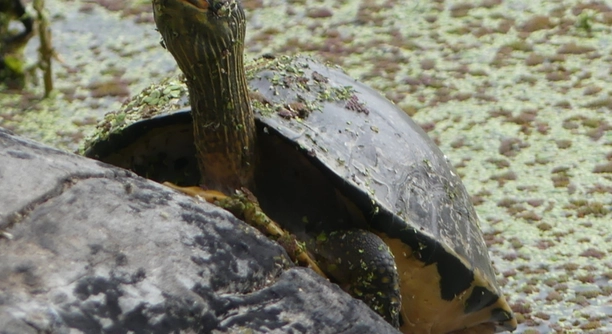
If you have an Indian Roofed Tortoise, it’s important to know how temperature affects their well-being. These tortoises need warmth to stay healthy and active, so keeping track of their environment is key.
Indian Roofed Tortoises are ectothermic, meaning they rely on external heat sources to regulate their body temperature. If they get too cold, it can lead to serious health problems, including reduced activity and weakened immune function.
Knowing how to identify the signs of a cold tortoise will help you keep your pet safe and comfortable. This guide will show you what to look out for and how to warm up your tortoise properly.
How to Identify a Cold Indian Roofed Tortoise
A cold Indian Roofed Tortoise often shows signs of sluggishness. If your tortoise is not moving much, it could be a sign that the temperature around it is too low. Normally, these tortoises are active and curious, so a lack of movement is a red flag. They tend to hide more and may even stop eating if they are too cold. You might notice that their shell feels colder to the touch than usual.
If you’re noticing these signs, it’s important to check the temperature in their enclosure. The ideal temperature for an Indian Roofed Tortoise is between 85°F and 90°F during the day. At night, it should not drop below 70°F. A sudden drop in temperature can cause stress and make your tortoise sick.
A slow-moving tortoise can be a serious concern, especially if it’s been cold for an extended period. Prolonged exposure to low temperatures can lead to respiratory issues or even shell rot. It’s crucial to warm them up immediately by adjusting their environment. You can try using heat lamps or ceramic heat emitters to bring the temperature back to normal. Make sure not to place the heat source too close, as it could burn them.
How Low Temperatures Affect Their Health
Low temperatures affect the metabolism and immune system of your tortoise. A cold tortoise will have a slower metabolism, which means they may not eat or drink as much.
If the cold persists, the tortoise may experience digestive issues and trouble absorbing nutrients. This makes them more prone to illness and dehydration.
Reduced Activity and Weakness
When your Indian Roofed Tortoise is too cold, it becomes noticeably less active. If they aren’t moving around as much or seem unusually lethargic, the cold may be affecting them. Tortoises naturally stay active in warmer temperatures.
Cold temperatures slow down their metabolism, leading to a lack of energy. When this happens, they may hide more often, retreating into their shells for warmth. You might see them sitting in one spot for extended periods, which is not typical behavior. This reduced activity makes it harder for them to digest food, leading to further weakness.
The cold can also weaken their immune system, making them more susceptible to infections. A healthy tortoise should be constantly moving, exploring, and looking for food. If you notice these signs of inactivity, take action immediately to restore proper heat levels. With warmth, their energy levels should gradually return to normal.
Difficulty in Eating or Drinking
Cold temperatures can cause your tortoise to stop eating or drinking. When their body is too cold, their digestive system doesn’t function properly, and they lose their appetite.
It’s important to monitor their food intake. A tortoise that refuses food might be trying to conserve energy because it’s too cold to digest properly. They may also stop drinking water. This can lead to dehydration, which, over time, can result in serious health problems like kidney failure. If your tortoise isn’t eating, it’s a strong sign that they are too cold, and their environment needs immediate adjustment.
You can try offering them warmer food and water, but be patient. It may take a while for them to feel comfortable enough to eat and drink again. Once the temperature is right, your tortoise should resume their normal eating habits.
Shivering or Trembling
Shivering is a clear sign that your Indian Roofed Tortoise is too cold. Like humans, they may shake when their body is trying to generate heat. This behavior should not be ignored.
If you see your tortoise shivering, it’s essential to increase the temperature in their environment immediately. They can’t regulate their body temperature effectively in cold conditions. A heat lamp or a warm basking area should help them warm up.
Hiding or Retreating into the Shell
When the temperature drops, your tortoise may hide or retreat further into its shell. It’s a natural response to try to conserve body heat.
Cold conditions force tortoises to protect themselves by withdrawing into their shell for safety. While this might seem normal at first, prolonged hiding indicates they are too cold and need a temperature boost. You can gently encourage them to come out by adjusting their environment.
FAQ
What temperature is ideal for an Indian Roofed Tortoise?
The ideal temperature for your Indian Roofed Tortoise should range between 85°F and 90°F during the day. At night, it should not fall below 70°F. A consistent temperature is crucial for their health and well-being. If the environment is too cold, their metabolism slows down, leading to a range of potential health problems. Use a thermometer in their enclosure to ensure the temperature stays in this optimal range.
How can I warm up my Indian Roofed Tortoise quickly?
To warm up your tortoise, you can use a heat lamp or a ceramic heat emitter. These are great ways to provide steady warmth without using a basking light. Make sure the heat source is not too close to your tortoise, as it could burn them. Start by gradually increasing the temperature, allowing them to move toward the warmth at their own pace. Avoid sudden temperature changes, as they can stress your tortoise.
Can I use a space heater to warm the tortoise’s enclosure?
While a space heater can be helpful, it’s best to use it carefully. It can create uneven temperatures or be too intense in some areas. If you choose to use a space heater, place it at a distance where it won’t directly overheat the tortoise. It’s better to have a thermostat-controlled heat source or a ceramic bulb to maintain the ideal temperature in their environment.
Is it safe to take my Indian Roofed Tortoise outside when it’s cold?
It’s not recommended to take your tortoise outside when the weather is cold, as they are sensitive to temperature fluctuations. Even if the outdoor temperature is mild, it can cause a drop in their body temperature. Always ensure that their enclosure mimics their natural habitat with a controlled, warm environment.
How do I know if my tortoise is too cold or just resting?
A cold tortoise may appear inactive, lethargic, and withdrawn into its shell, just like one that is resting. However, a cold tortoise will also display other signs, like reduced appetite, difficulty moving, or trembling. If your tortoise is not eating, drinking, or moving after a few hours of being in a warm environment, it’s a sign they are too cold.
How can I prevent my tortoise from getting too cold?
Ensure that the tortoise’s enclosure has proper heating and a consistent temperature. You can use a heat lamp, a basking area, or a ceramic heat emitter to create a warm environment. Keep the area at a steady temperature throughout the day and night, and regularly check that the temperature doesn’t drop below safe levels.
Can I use a heating pad for my tortoise?
Heating pads can be used, but they should be placed under the enclosure, not directly on the tortoise. It’s important to avoid direct contact between your tortoise and the heating pad as it could burn them. Always monitor the temperature in the enclosure to ensure it doesn’t get too hot or too cold.
What should I do if my tortoise refuses to eat because of the cold?
If your tortoise isn’t eating due to the cold, the best approach is to warm them up slowly. Increase the temperature in their enclosure, and make sure their basking area is warm enough for them to feel comfortable. Offer them warm food and clean water to encourage eating. Don’t force them to eat, but give them time to adjust to the heat.
Can I keep my tortoise warm with a heat rock?
Heat rocks are not recommended for tortoises. They can get too hot and cause burns if the tortoise stays on them for too long. It’s better to use heat lamps or ceramic heat emitters, which provide consistent warmth without the risk of burning. Always have a safe temperature gradient in the enclosure to allow your tortoise to move around and choose the best spot to regulate their body temperature.
What are the signs that my tortoise is too warm?
If your tortoise is too warm, they may show signs like excessive panting, rapid breathing, or retreating into their shell to escape the heat. They may also become more restless or overly active. If you notice these signs, lower the temperature gradually and check the temperature regularly. Overheating can be just as dangerous as being too cold.
How often should I check the temperature of my tortoise’s enclosure?
It’s a good idea to check the temperature at least once a day. Make sure you monitor both the basking area and the cooler end of the enclosure. A thermometer placed at both ends will give you an accurate reading of the temperature. Regular checks will ensure your tortoise stays in the proper range and help you avoid sudden temperature drops.
Can my tortoise survive the cold for a short time?
Tortoises can handle cold temperatures for short periods, but prolonged exposure can cause stress, health issues, or even death. If your tortoise is exposed to cold for more than a few hours, it can have negative effects on their immune system and digestive health. Always make sure they are in a controlled, warm environment to prevent such risks.
How do I make sure my tortoise’s shell stays healthy in colder temperatures?
Cold temperatures can weaken your tortoise’s shell, leading to conditions like shell rot or respiratory infections. To keep their shell healthy, ensure they are warm enough to stay active. A well-maintained warm environment will promote their overall health, making it easier for them to stay active and avoid shell damage.
What should I do if my tortoise shows signs of being too cold for too long?
If your tortoise has been too cold for an extended period, take immediate action. Warm them up gradually with heat lamps or ceramic heaters. Monitor them closely to make sure they regain their normal activity level. If they don’t improve, or if you notice signs of illness like wheezing or discharge, contact a vet for advice.
Final Thoughts
Taking care of an Indian Roofed Tortoise requires attention to their environment, especially when it comes to temperature. These tortoises are sensitive to changes in temperature, and keeping their habitat warm is essential for their health and well-being. When the temperature drops too low, your tortoise may exhibit signs of cold stress, such as reduced activity, loss of appetite, and even shivering. If left unaddressed, this can lead to more serious health issues like respiratory infections or shell rot. It’s important to provide a stable, warm environment for them, using heat lamps or ceramic heat emitters to maintain the right temperature range.
While an Indian Roofed Tortoise can tolerate brief periods of cold, prolonged exposure to low temperatures can cause long-term harm. By regularly checking the temperature in their enclosure and adjusting as needed, you ensure that your tortoise stays comfortable. If your tortoise shows signs of cold stress, it’s essential to warm them up gradually and provide a warmer, more stable environment. It’s also a good idea to make sure that they have a cool, but not cold, area in their habitat to help them regulate their body temperature effectively.
In the end, keeping your tortoise warm and healthy is a simple but important responsibility. With the right temperature and a little care, your Indian Roofed Tortoise can live a long and happy life. Regularly monitor the temperature, look out for signs of cold stress, and respond quickly if any issues arise. Creating a comfortable environment for them will help them thrive, and you’ll have a happy, active tortoise to enjoy for years to come. By being mindful of these factors, you ensure the best care possible for your pet, and in turn, they’ll reward you with their charming presence.

Hello,
If you enjoy the content that we create, please consider saying a "Thank You!" by leaving a tip.
Every little bit helps us continue crafting quality advice that supports the health, happiness, and well-being of pets around the world, for pets of all shapes, sizes, and species.
We really appreciate the kindness and support that you show us!