
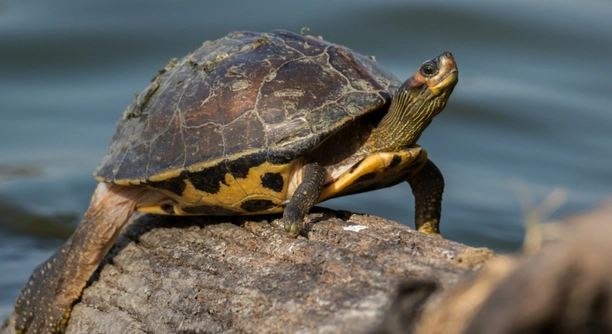
Tortoises, like all pets, can experience stress, which can affect their health and behavior. It’s essential to understand how to identify these signs to help them feel comfortable and safe. This guide will explain how to recognize stress in your Indian Roofed Tortoise.
Stress in Indian Roofed Tortoises can manifest through behaviors like loss of appetite, hiding more often, or aggressive actions. These signs indicate a need for changes in their environment or care routine to help reduce anxiety and improve their well-being.
Understanding these signs allows you to take action before stress negatively impacts your tortoise. Let’s look at some common stress indicators and what you can do to help ease their discomfort.
1. Loss of Appetite
One of the first signs your Indian Roofed Tortoise is stressed is a sudden loss of appetite. If your tortoise isn’t eating its usual amount of food or refuses to eat altogether, it could be a sign of stress. This behavior may happen if there are changes in the environment or care routine, like temperature fluctuations, new surroundings, or an improper diet. Tortoises rely heavily on consistent, familiar conditions to feel secure. If their food preferences are not being met, or they feel threatened, they may stop eating.
When this happens, it’s important to check if the temperature in their enclosure is appropriate. Tortoises need specific conditions to thrive, and even small changes can cause stress. Additionally, try offering a variety of foods to see if something entices them to eat. If the lack of appetite continues, it’s a good idea to consult a veterinarian to rule out any medical conditions.
Making sure that your tortoise’s habitat is stable and its diet is suitable is key to preventing these issues. Stress-related loss of appetite can be corrected by restoring a sense of security and comfort to their environment.
2. Hiding More Than Usual
It’s common for a stressed tortoise to hide more often than usual. Tortoises, being naturally shy creatures, may retreat to their hiding spots when feeling anxious or threatened. If your tortoise is spending an unusual amount of time in its hiding space, it might be trying to escape an uncomfortable environment.
Stress can come from various sources, like a noisy area, too much handling, or even an overcrowded enclosure. Sometimes, changes in the lighting or temperature may also affect their comfort, leading to more hiding. Creating a calm, peaceful environment can help reduce this behavior.
3. Aggressive Behavior
If your tortoise begins acting aggressively, it could be stressed. This may include biting, lunging, or even charging at objects in its enclosure. Aggressive behavior often stems from discomfort, fear, or territorial issues. The presence of other animals or a lack of space can make your tortoise feel threatened and cause this reaction.
To manage aggression, make sure your tortoise has enough space to roam freely and isn’t being overcrowded by other animals. Overhandling or sudden movements around them can also trigger aggression. A calm and quiet environment can help reduce this stress, allowing your tortoise to feel more secure.
If this behavior doesn’t improve with environmental adjustments, it may be time to check if there’s a physical issue causing the stress. Sometimes, underlying health problems can cause discomfort, leading to aggression. A vet check is recommended if aggression persists.
4. Change in Basking Habits
Your tortoise’s basking behavior is a good indicator of how it’s feeling. If it starts avoiding its basking area or spends much less time there, it might be stressed. Tortoises rely on heat to regulate their body temperature, and changes in their basking habits can indicate that something is off.
Check the temperature in the basking area. If it’s too hot or too cold, your tortoise might be avoiding it. Other factors, like lighting and humidity, can also affect basking behavior. Make sure your tortoise’s habitat is balanced and that all conditions are within the optimal range.
Stress can also cause your tortoise to hide or become inactive, avoiding basking entirely. Providing a secure and comfortable environment with proper lighting and warmth will help reduce this behavior. If the change continues, consider consulting with a vet to ensure there’s no underlying health issue.
5. Lethargy
If your tortoise suddenly becomes very inactive, it could be a sign of stress. A stressed tortoise may lose interest in moving around and may stay in one spot for extended periods. This lack of energy is often a result of an uncomfortable environment or physical discomfort.
Lack of exercise and energy could also be linked to an inadequate diet or improper lighting. Make sure the enclosure is large enough for your tortoise to move around and explore. A variety of foods and the right environmental conditions can help reduce lethargy and bring back your tortoise’s usual energy.
6. Excessive Swimming or Pacing
Excessive swimming or pacing is another clear sign that your tortoise is stressed. This behavior usually indicates that your tortoise is uncomfortable with its current habitat or that it feels trapped. It may pace along the enclosure walls or swim constantly in its water bowl or pool.
Take a close look at your tortoise’s living space. If the enclosure is too small or doesn’t provide enough hiding spots, your tortoise may feel confined. Additionally, inadequate temperatures or improper humidity can also contribute to this stressed behavior. Ensure that the habitat is comfortable and spacious enough for your tortoise to feel safe.
FAQ
What causes stress in an Indian Roofed Tortoise?
Stress in an Indian Roofed Tortoise can be caused by several factors, such as changes in temperature, humidity, or lighting. Overcrowded enclosures, lack of proper hiding spots, or constant handling can also lead to stress. A sudden change in diet or environment can also trigger anxiety in these animals. Environmental stability and a consistent care routine are key to preventing stress in your tortoise.
How can I tell if my tortoise is stressed?
You can tell if your tortoise is stressed by observing its behavior. Signs include loss of appetite, hiding more often, aggressive behavior, changes in basking habits, lethargy, and excessive swimming or pacing. If your tortoise shows any of these signs, it’s important to assess its habitat and care routine to identify potential sources of stress.
What is the ideal temperature for an Indian Roofed Tortoise’s habitat?
The ideal temperature for an Indian Roofed Tortoise’s habitat is between 80°F and 90°F during the day, with a basking spot reaching 95°F. At night, the temperature can drop to around 70°F to 75°F. Maintaining these temperatures helps your tortoise stay comfortable and reduces the likelihood of stress.
How do I reduce stress in my tortoise?
To reduce stress in your tortoise, make sure its enclosure is spacious and contains hiding spots where it can retreat when needed. Keep the temperature, humidity, and lighting levels stable. Avoid excessive handling and sudden changes in its environment. Offering a varied diet and ensuring your tortoise has access to clean water will also help alleviate stress.
Can my tortoise get stressed from too much handling?
Yes, excessive handling can cause stress in your tortoise. Tortoises are naturally shy and may feel threatened if they are handled too often. It’s important to allow your tortoise to adjust to its environment before handling it regularly. When handling, keep it brief and gentle to avoid overwhelming your pet.
Is it normal for my tortoise to hide a lot?
Hiding is normal behavior for tortoises, especially if they feel insecure or stressed. They often retreat to their hiding spots to feel safe. However, if your tortoise is hiding excessively or for long periods, it may indicate stress. Ensure that your tortoise’s environment is calm and comfortable, with a proper temperature and humidity level.
How much space does an Indian Roofed Tortoise need?
An Indian Roofed Tortoise needs a spacious enclosure that allows for plenty of movement. The minimum recommended size for an enclosure is 4 feet by 2 feet for one adult tortoise. Larger enclosures are always better as they give your tortoise room to explore and prevent feelings of confinement.
What should I feed my Indian Roofed Tortoise?
Indian Roofed Tortoises are primarily herbivores and require a diet rich in greens, such as dandelion leaves, collard greens, and turnip greens. You can also offer small amounts of fruits like apples or melons as treats. Avoid feeding them high-protein foods, such as meat or dairy, as this can cause health issues.
What are common health issues in stressed tortoises?
Stressed tortoises are more likely to develop health problems such as respiratory infections, digestive issues, and shell problems. Prolonged stress can weaken their immune system, making them more susceptible to illness. If stress continues unchecked, it can lead to more serious health complications, so it’s important to address the causes of stress quickly.
Can stress affect my tortoise’s lifespan?
Chronic stress can have a negative impact on your tortoise’s overall health and may reduce its lifespan. Stress weakens the immune system, making your tortoise more prone to diseases and infections. Ensuring a stable, comfortable environment can help your tortoise live a longer, healthier life.
How can I make my tortoise’s habitat more comfortable?
To make your tortoise’s habitat more comfortable, provide an appropriate size enclosure with hiding spots, a basking area with proper heating, and a cool area for temperature regulation. Ensure the substrate is safe for digging and provide access to fresh water at all times. Keeping the environment clean and stable will make your tortoise feel secure.
Should I take my stressed tortoise to the vet?
If your tortoise shows signs of stress for an extended period, it’s a good idea to consult a vet. Persistent stress may indicate underlying health issues, such as infections or parasites, that need professional attention. A vet can help rule out medical problems and provide advice on managing stress.
Can stress cause my tortoise to stop eating?
Yes, stress can cause your tortoise to lose its appetite. Environmental changes, improper temperatures, or handling can lead to stress, which may result in a lack of interest in food. Ensure that your tortoise’s habitat is stable and that its diet is appropriate to encourage healthy eating habits.
Is it important to provide UVB light for my tortoise?
Yes, UVB light is essential for your tortoise’s health. It helps them synthesize vitamin D3, which is necessary for calcium absorption and overall bone health. Without proper UVB light, your tortoise can develop metabolic bone disease, which can lead to serious health issues. Make sure your tortoise has access to UVB lighting in its enclosure.
Final Thoughts
Stress is something that every pet, including your Indian Roofed Tortoise, can experience. It’s important to recognize the signs early so you can take action to help your tortoise feel safe and comfortable. Stress can come from many different sources like changes in its environment, improper care, or even health issues. Knowing how to spot stress indicators such as a loss of appetite, hiding more often, or aggressive behavior can make a big difference in your tortoise’s well-being.
Once you notice stress signs, the first step is to reassess the conditions in your tortoise’s habitat. Make sure the temperature, humidity, and lighting are ideal for your tortoise’s needs. If there are other animals or too much noise around, try to create a calm and quiet environment. Tortoises feel safest when they have enough space to roam and hide when needed. If the stress continues despite these changes, it may be time to consult a veterinarian to check for any underlying health issues.
By providing the right environment and handling your tortoise with care, you can reduce stress and ensure your pet stays healthy and happy. Remember, a calm tortoise is a healthy tortoise, and taking small steps to keep its living conditions stable will go a long way in preventing stress. If you find yourself unsure about what to do, there’s always the option of seeking professional help to make sure your tortoise is getting the care it needs.

Hello,
If you enjoy the content that we create, please consider saying a "Thank You!" by leaving a tip.
Every little bit helps us continue crafting quality advice that supports the health, happiness, and well-being of pets around the world, for pets of all shapes, sizes, and species.
We really appreciate the kindness and support that you show us!