
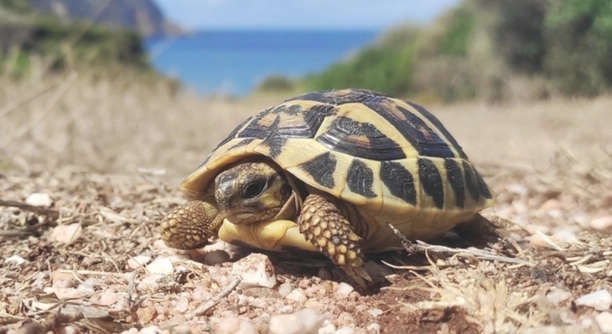
Hermann’s tortoises are lovely companions, but like all pets, they require proper care. Dehydration can be a concern if their needs aren’t met. It’s important to be able to spot the signs of dehydration early.
Signs of dehydration in Hermann’s tortoises include dry skin, sunken eyes, reduced activity, and changes in eating or drinking habits. Addressing these symptoms promptly can help prevent further health issues and ensure your tortoise stays healthy.
Proper hydration is key to your tortoise’s well-being. In this article, we will look at the signs of dehydration and provide tips on how to help your tortoise stay properly hydrated.
Dry Skin
One of the most obvious signs of dehydration in a Hermann’s tortoise is dry, flaky skin. When they’re properly hydrated, their skin remains smooth and flexible. However, when they are dehydrated, their skin may appear rough and cracked. This can affect both the shell and their soft body parts. Dry skin could also lead to shedding problems or even infections if left untreated. Regular soaking in water can help keep their skin moist and support overall hydration. It’s important to monitor their skin condition closely, especially if other signs of dehydration appear.
If you notice dry skin, it’s essential to address it immediately. Along with providing fresh water and a proper humidity level, you should ensure your tortoise has access to a balanced diet. The skin condition can improve with consistent care.
Regular soaking is especially important for young or inactive tortoises who might not drink enough on their own. Be sure to offer water that’s not too cold, as tortoises prefer lukewarm water. It’s also good to check the humidity levels in their enclosure, as extremely dry air can exacerbate skin dryness. If the skin problem persists, a veterinarian can help assess the situation and offer guidance.
Sunken Eyes
Another noticeable sign of dehydration in Hermann’s tortoises is sunken eyes. When a tortoise is dehydrated, the skin around its eyes may appear drawn inward, creating a sunken or hollow look. This symptom is a result of fluid loss, which affects the soft tissues of their body. Keeping an eye on your tortoise’s eyes is an easy way to check its hydration status.
Sunken eyes can be distressing to see, but they are reversible with prompt attention. Offering water in the right amounts and at the right temperature can rehydrate your tortoise and improve the condition of their eyes. Be patient, as recovery might take time.
Sunken eyes should never be ignored. If you notice this symptom, make sure to increase water intake and provide regular soaks. Additionally, ensure your tortoise’s environment is comfortable with proper humidity and temperature. A well-hydrated tortoise will show clearer, more alert eyes. If the problem continues despite these adjustments, seeking veterinary advice is crucial for their health.
Reduced Activity
A dehydrated tortoise often shows a drop in activity levels. They may become lethargic, moving slowly or staying in one spot for long periods. This decrease in movement is their body’s response to a lack of water, which leads to a loss of energy. Dehydration affects their metabolism, making them less responsive.
If your tortoise is not as active as usual, it’s important to check its hydration. Provide regular water soaks to encourage drinking. Make sure the enclosure is set at the right temperature, as this can also affect activity levels. Keeping them well-hydrated helps boost their energy.
A dehydrated tortoise may refuse to eat or move much, but they can recover once their hydration needs are met. Soaking your tortoise in water for 20 to 30 minutes can help them drink, especially if they are reluctant to do so on their own. Hydration plays a big role in their overall activity levels, so watch for changes closely.
Changes in Eating Habits
Dehydration can also affect your tortoise’s appetite. A tortoise that is dehydrated may show less interest in food or refuse to eat altogether. Water is essential for digestion, and without it, your tortoise’s body will slow down its normal functions. If you notice that your tortoise isn’t eating as much, dehydration may be the cause.
One way to encourage eating is by offering fresh, hydrated vegetables. Soaking their food can also provide extra moisture. Keep in mind that a lack of food intake can lead to further dehydration, so it’s crucial to monitor both hydration and eating habits closely.
If your tortoise isn’t eating, it’s important to act fast. Offering water through soaking and ensuring they’re eating foods with high moisture content can help. If your tortoise still refuses food after a few days, it’s time to consult a vet for further guidance.
Changes in Shell Appearance
A dehydrated tortoise may experience changes in the appearance of its shell. The shell may become softer than usual or show signs of uneven growth. This can happen when the body lacks the proper hydration needed to maintain healthy shell growth.
Softening of the shell can be a sign of prolonged dehydration. The tortoise’s shell should feel firm and solid. If the shell starts to feel brittle or soft, it may need more water to maintain its strength. You should also ensure their diet is balanced with calcium and other nutrients for optimal shell health.
Regular soaking helps maintain proper hydration and shell health. If you notice signs of softening or uneven growth, it’s essential to check your tortoise’s water intake. A dehydrated tortoise may have trouble absorbing calcium, which is vital for a strong shell. In such cases, consulting a vet can provide more targeted advice.
Urination Patterns
When a tortoise is dehydrated, it may show changes in its urination patterns. Dehydration often results in less frequent urination or smaller amounts of urine. The urine may also appear darker, a sign that your tortoise is retaining water.
This symptom can help you monitor the hydration level of your tortoise. Proper hydration should result in more frequent urination and clear, light-colored urine. If you notice dark urine or infrequent urination, you should focus on rehydrating your tortoise to prevent further health complications.
Hydration directly affects how a tortoise’s body processes and eliminates waste. Ensuring they drink enough water and soak regularly can help restore normal urination patterns. If these changes persist, a visit to the vet may be necessary to address potential issues.
FAQ
How often should I soak my Hermann’s tortoise to keep it hydrated?
It’s recommended to soak your Hermann’s tortoise in warm water about 2-3 times a week. However, if your tortoise shows signs of dehydration, more frequent soaking may be necessary. The duration of each soak should be around 20 to 30 minutes. Make sure the water is not too hot or cold—lukewarm water is ideal. Soaking encourages drinking and helps hydrate your tortoise through absorption via their skin.
Can I just provide a water dish instead of soaking my tortoise?
While a water dish is essential, it may not be enough on its own to keep your tortoise fully hydrated, especially if they are reluctant to drink. Hermann’s tortoises may not drink enough from a dish, especially in a dry environment. Soaking them gives them the opportunity to hydrate properly, and it’s also a great way to help with digestion. Be sure to provide both a water dish for convenience and regular soaking sessions for optimal hydration.
What signs should I look for if I think my tortoise is dehydrated?
Common signs of dehydration include dry or flaky skin, sunken eyes, reduced activity, and changes in eating or drinking habits. If your tortoise’s shell appears soft or their urination patterns change, those can also be red flags. Dehydration affects tortoises differently, so it’s crucial to observe their overall behavior and appearance. Always act quickly to address hydration issues when you notice these symptoms.
Can dehydration affect my tortoise’s appetite?
Yes, dehydration can cause your tortoise to lose its appetite. Water is necessary for digestion, and without it, a tortoise may feel sluggish or uninterested in food. If your tortoise is not eating as much as usual, dehydration might be the cause. To encourage eating, try offering hydrating vegetables and soaking them in water to provide extra moisture. If the problem persists, increase their water intake and soak them more often.
What temperature should the water be for soaking my tortoise?
The water temperature for soaking should be lukewarm, around 85°F to 90°F (29°C to 32°C). Too cold water can shock their system, and too hot water can stress them out. Make sure the water is comfortable and safe, and check it regularly during the soaking time to ensure it stays within the proper range. This temperature encourages drinking without causing any discomfort to your tortoise.
Can I use a humidifier to help with hydration?
A humidifier can help maintain proper humidity levels in your tortoise’s enclosure, especially in dry environments. This is important because high humidity aids in hydration and prevents skin dryness. However, it shouldn’t replace soaking or drinking water. The combination of proper humidity and soaking can ensure that your tortoise remains hydrated. Be sure to monitor the humidity and keep it around 50%-70% for optimal conditions.
How can I ensure my tortoise gets enough water if it’s not soaking or drinking?
If your tortoise is not soaking or drinking from a dish, you can try offering water through food. Many vegetables like cucumbers, lettuce, and watermelon have high water content. You can also try offering a shallow water dish with food placed near it to encourage drinking. If your tortoise still refuses water, it may be time to increase the frequency of soaking sessions.
Is it okay to leave my tortoise in the water for too long?
While soaking is beneficial, leaving your tortoise in the water for too long can lead to stress or discomfort. It’s important to keep the soak session to around 20-30 minutes at most. Always supervise your tortoise while it’s soaking to make sure it’s not becoming too cold or overwhelmed. After the soak, dry them off gently before returning them to their enclosure.
What should I do if my tortoise’s shell becomes soft?
If you notice your tortoise’s shell becoming soft, it may be a sign of severe dehydration. This condition can lead to permanent damage if not addressed. Increase hydration immediately by providing more frequent soaks and ensuring they have a balanced diet that includes calcium for shell health. If the problem doesn’t improve or worsens, consult a vet to check for underlying health issues.
What is the best diet to keep my Hermann’s tortoise hydrated?
A healthy diet that includes high-water-content vegetables, such as cucumbers, lettuce, and watermelon, can help with hydration. Leafy greens like collard greens and dandelion greens are great for both hydration and nutrition. Avoid feeding too many dry foods, as they can contribute to dehydration. Fresh, high-moisture foods should be the focus to keep your tortoise hydrated and healthy.
Final Thoughts
Keeping a Hermann’s tortoise properly hydrated is essential for their overall health and well-being. Dehydration can cause a variety of problems, including dry skin, sunken eyes, and changes in their eating or activity levels. It’s important to regularly monitor your tortoise and watch for these signs of dehydration. Providing a proper diet, along with frequent soaking and access to clean water, will help keep your tortoise hydrated and healthy. Taking these simple steps will go a long way in ensuring your tortoise leads a happy and active life.
Hydration isn’t just about providing water; it’s about maintaining the right environment. Tortoises, like Hermann’s, need an environment that’s not too dry, and humidity levels should be kept in check. A balanced humidity level in their enclosure helps support their natural hydration processes. In addition to soaking, providing foods with high water content, such as leafy greens and watery vegetables, can boost their hydration. Monitoring their shell, eyes, and overall behavior is a good way to make sure they are getting the care they need.
If you notice persistent signs of dehydration or other health issues in your tortoise, it’s always a good idea to consult a vet. A professional can give you specific advice and help you address any health concerns. Taking a proactive approach with hydration and general care will prevent most dehydration-related issues from becoming serious. By staying vigilant and consistent with their care, you can ensure your Hermann’s tortoise stays healthy, active, and well-hydrated for years to come.

Hello,
If you enjoy the content that we create, please consider saying a "Thank You!" by leaving a tip.
Every little bit helps us continue crafting quality advice that supports the health, happiness, and well-being of pets around the world, for pets of all shapes, sizes, and species.
We really appreciate the kindness and support that you show us!