
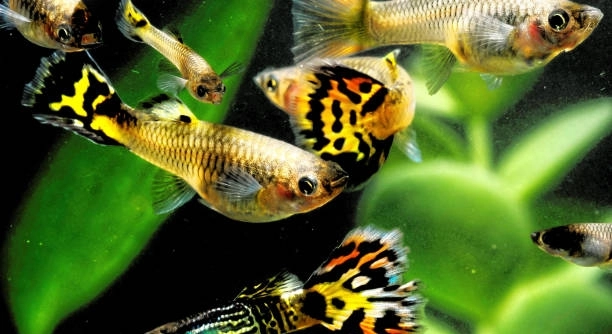
Hard water in your guppy tank can lead to various issues that affect the health of your fish. It is important to recognize the signs early to ensure their well-being and maintain a balanced aquatic environment.
Hard water in a guppy tank is often characterized by elevated mineral content, which can cause stress to your fish. Signs of too much hardness include sluggish behavior, faded colors, difficulty breeding, and poor water quality, all of which can harm guppies.
Managing water hardness effectively will improve your guppies’ overall health and environment. Understanding these signs is essential for creating a thriving, vibrant tank for your aquatic pets.
What Is Hard Water?
Hard water contains high levels of minerals, mainly calcium and magnesium. In a guppy tank, these minerals dissolve into the water, making it difficult for the fish to thrive. While some hardness is natural, excess levels can lead to a range of problems. Guppies are especially sensitive to water conditions, and their well-being can quickly decline if water hardness is too high. The ideal water hardness for guppies is between 8-12 dGH. Water that is too hard can affect your fish’s ability to absorb nutrients, leading to poor growth and illness. To maintain healthy guppies, it’s essential to monitor your water quality and adjust when necessary. Regular water testing can help you stay on top of these changes and prevent unnecessary stress for your fish.
Hard water can cause mineral deposits to form on decorations and glass, affecting tank aesthetics. Over time, these deposits can also affect equipment like filters and pumps. Regular maintenance is needed to ensure your tank remains clean.
Testing the water regularly helps you identify hard water issues early. Correcting these issues will keep your guppies in optimal health.
Signs of Hard Water in Your Tank
One of the first signs of hard water in your tank is cloudy water. This often occurs when minerals build up and cause water quality to deteriorate. In addition to murky water, you may notice the leaves of live plants turning brown or developing spots. These symptoms indicate that the water is not conducive to plant health, which, in turn, affects the overall ecosystem of the tank. Guppies, when exposed to hard water, can also develop physical changes, such as faded colors or smaller-than-usual fins. These visible signs should not be ignored as they signal that the water quality may be harming your fish.
Test kits are an essential tool for checking water hardness. If you notice these signs, immediately test the water and make adjustments as needed.
Regular water changes are a good practice to reduce the effects of hard water and maintain a stable tank environment. Softening the water or using a water conditioner can also help restore balance, ensuring your guppies stay healthy.
Effects of Hard Water on Breeding
Hard water can impact the breeding habits of your guppies. When the water is too hard, guppies may struggle to reproduce. The higher mineral content affects the fish’s hormones and can lead to delayed or unsuccessful breeding. This problem becomes more prominent when guppies are exposed to water that is consistently hard over a long period.
Hard water affects both the males and females. Male guppies may display reduced interest in mating, and female guppies may produce fewer eggs or fail to carry them to full term. This can cause a decline in the overall population of your tank. To avoid this, regular water testing is crucial to ensure the water hardness remains within the optimal range for breeding.
Managing water hardness properly can help restore your guppies’ breeding behavior. Softening the water or using a conditioner designed for aquariums may help stimulate healthy breeding conditions. Be sure to monitor your guppies for any signs of stress related to water quality.
How to Correct Hard Water Issues
Adjusting water hardness involves various techniques. You can soften the water by adding products specifically designed to reduce calcium and magnesium levels. Some aquarium owners use reverse osmosis (RO) water, which contains minimal minerals, to dilute the hard water. This creates a more favorable environment for guppies.
Another method is using a water softener pillow or a water conditioner that targets mineral buildup. These products help reduce water hardness and make it safer for your fish. When using these treatments, ensure that you monitor the water parameters regularly to avoid drastic changes that might stress the fish.
Performing regular water changes is another simple yet effective way to address hard water issues. Replace a portion of the tank water with soft water to gradually lower the mineral concentration without causing sudden shifts that could harm your guppies. Keeping the water chemistry balanced is key to maintaining a healthy tank environment.
How to Test Water Hardness
Testing the water hardness is essential to understanding your guppies’ environment. Test kits are widely available and easy to use, providing a clear indication of the water’s mineral content. Regular testing helps you stay on top of any changes that might harm your fish.
Most test kits measure hardness in dGH (degrees of general hardness). A dGH level of 8-12 is ideal for guppies. If your test shows levels above 12, it may be time to address the water hardness. Testing the water weekly or bi-weekly can prevent issues from escalating and ensure your guppies remain healthy.
Regular water testing is the best way to manage the environment in your tank. It provides peace of mind and allows you to address water quality issues before they negatively affect your fish.
Using Water Conditioners
Water conditioners are useful tools for managing hard water. They work by breaking down minerals and neutralizing harmful substances, making the water safer for guppies. Adding a conditioner designed for softening water can provide an immediate solution to elevated mineral levels.
When using water conditioners, it’s important to follow the manufacturer’s instructions. Overuse can cause chemical imbalances, leading to other water quality issues. Conditioning the water gradually is the best approach. Regular testing after the addition of a conditioner helps ensure the right balance and prevents potential harm to your guppies.
Water Changes and Filtration
Performing regular water changes is one of the easiest ways to maintain water quality in your tank. Changing 10-20% of the water weekly helps dilute excess minerals, lowering water hardness over time. Consistency is key to reducing the impact of hard water.
Using a high-quality filter also plays a role in keeping the water clean and clear. Filters help remove excess minerals and waste, improving water quality and overall tank conditions. It’s important to clean the filter regularly to maintain its efficiency. A combination of water changes and filtration ensures a healthier environment for your guppies.
FAQ
How do I know if my guppy water is too hard?
You can tell if the water is too hard by testing it with a water hardness test kit. If the dGH levels are higher than 12, your water is likely too hard for guppies. You may also notice physical signs such as faded colors, sluggish behavior, or poor breeding activity. Cloudy water and mineral deposits on tank surfaces are additional indicators that the water is too hard. If these symptoms are present, it’s important to test and adjust the water accordingly.
What happens if my guppy water is too hard?
Hard water can cause several problems for guppies. High mineral content stresses the fish, affecting their health, breeding, and behavior. Guppies in hard water may become lethargic, lose their vibrant colors, or fail to breed. Long-term exposure can lead to weakened immune systems and increased susceptibility to diseases. For plants in the tank, hard water can cause nutrient deficiencies, leading to poor growth and yellowing of leaves.
How can I soften my guppy water?
There are a few ways to soften the water in your guppy tank. One common method is to use reverse osmosis (RO) water, which is low in minerals. Mixing RO water with your tank’s water helps dilute the hardness. Another option is to use a water conditioner or a water softener pillow that removes minerals like calcium and magnesium. Some aquarium owners also add driftwood or peat moss to their filter, as they can naturally soften the water over time.
Can I use tap water for my guppies?
Tap water is often treated with chemicals like chlorine and chloramine, which can harm guppies. Additionally, tap water may contain high levels of minerals, making it hard. Before using tap water, it’s important to treat it with a water conditioner to remove chlorine and chloramine. If your tap water is naturally hard, consider diluting it with distilled or RO water to lower the hardness. Always test the water before introducing it into your tank.
How often should I test my guppy tank water?
It’s a good idea to test your guppy tank water at least once a week, especially if you’re concerned about water hardness. Testing more frequently, such as twice a week, can help you stay on top of any fluctuations in mineral levels or other water parameters. If you’re new to fishkeeping, regular testing helps you get familiar with how your tank behaves. During times of water changes or adding new fish, more frequent testing ensures that the water remains within safe levels for your guppies.
How can I make sure my guppies are comfortable in hard water?
To help your guppies adjust to hard water, make sure the water temperature is within the ideal range for guppies (75-82°F or 24-28°C). Maintain stable pH levels (around 7.0-8.0), as large pH swings can add additional stress. If possible, introduce water softeners or conditioners to lower hardness gradually. Guppies prefer slightly hard to moderately hard water, so it’s important not to soften the water too drastically, as rapid changes can cause stress. Provide hiding places and plants in the tank to help your guppies feel secure.
What is the best filter for a guppy tank with hard water?
A good filter helps remove waste and excess minerals from the water. In a tank with hard water, it’s important to choose a filter that has adjustable flow rates to avoid disturbing the fish. Canister filters are often recommended for their ability to handle larger volumes of water and provide thorough filtration. Sponge filters also work well for smaller tanks and can help maintain a gentle flow, which is ideal for guppies. Be sure to clean the filter regularly to ensure it is functioning properly.
Do guppies need soft water to breed?
While guppies can breed in moderately hard water, softer water may encourage more successful breeding. Hard water can affect the development of the fry, as well as the fish’s reproductive health. For optimal breeding conditions, aim for water hardness levels of 8-12 dGH, which is within the ideal range for guppies. If you’re having trouble breeding your guppies, consider softening the water slightly and monitoring other parameters such as temperature and pH. A stable, stress-free environment will improve the chances of successful breeding.
Can I use aquarium salt to treat hard water?
Aquarium salt is not effective for softening hard water. While salt can be useful in treating certain diseases and boosting gill function in fish, it does not address the mineral content that causes water hardness. If your tank has high levels of calcium and magnesium, using salt will not help reduce hardness. For softening water, reverse osmosis, water conditioners, and proper dilution with distilled or RO water are better alternatives. Always avoid using too much salt, as guppies are sensitive to high salinity.
What is the ideal water hardness for guppies?
The ideal water hardness for guppies ranges from 8 to 12 degrees of general hardness (dGH). This range provides a comfortable environment for them to thrive without causing stress. Guppies can tolerate water that is slightly harder, but levels above 12 dGH may lead to health problems. Testing the water regularly is essential to ensure that it remains within this optimal range. If your water is too hard, take steps to soften it gradually, as sudden changes in water quality can be harmful to your guppies.
How does hard water affect guppy fry?
Hard water can negatively impact the development of guppy fry. The high mineral content can cause developmental issues and stress, resulting in weaker or smaller fry. In some cases, the fry may not survive or grow at a normal rate. Keeping the water soft and stable during the breeding process is important for the fry’s survival and growth. If you’re breeding guppies, consider softening the water slightly to encourage healthier fry development and ensure that they have the best chance of thriving.
Is it okay to add hard water to a guppy tank gradually?
It is generally safe to gradually introduce hard water to a guppy tank. Rapid changes in water hardness can cause stress, so it’s better to adjust it slowly over time. If you need to raise the water hardness, do so by adding small amounts of harder water over several days. This gradual approach allows your guppies to adapt without suffering from sudden environmental changes. Conversely, when softening water, make sure to monitor closely and avoid large, sudden reductions in hardness. Keep your guppies’ well-being in mind as you make adjustments.
Final Thoughts
Ensuring that the water in your guppy tank is at the right hardness level is crucial for the health of your fish. If the water is too hard, it can cause stress and affect your guppies’ behavior, health, and breeding. Regular water testing is essential in maintaining the correct levels, as it helps you quickly identify if the hardness is too high. By using simple tools like test kits and water conditioners, you can make adjustments that keep your guppies comfortable and thriving.
If you find that your water is too hard, there are several methods to soften it. Using reverse osmosis water, water softeners, or conditioners can help lower the mineral content. Additionally, regular water changes and using proper filtration are effective ways to manage water hardness over time. It’s important to make these changes gradually, as sudden shifts in water quality can cause stress to your fish. By being consistent and monitoring the tank, you can avoid negative impacts on your guppies and keep their environment stable.
Lastly, always remember that the well-being of your guppies depends on more than just water hardness. Factors like water temperature, pH, and cleanliness also play key roles in creating a healthy tank. By keeping an eye on all aspects of your tank’s environment, you ensure that your guppies will have a long and healthy life. With some simple adjustments and regular care, maintaining optimal water conditions becomes easier and more manageable.

Hello,
If you enjoy the content that we create, please consider saying a "Thank You!" by leaving a tip.
Every little bit helps us continue crafting quality advice that supports the health, happiness, and well-being of pets around the world, for pets of all shapes, sizes, and species.
We really appreciate the kindness and support that you show us!