
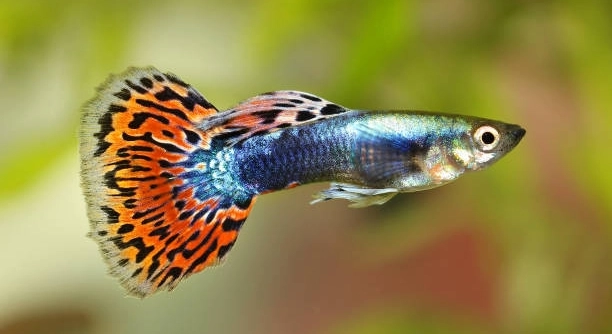
Is your guppy tank looking a little dull or not as lively as it used to be? Adding more plants might help.
A lack of plants in a guppy tank can lead to poor water quality, stress, and limited hiding spaces. Live plants support the natural balance of the tank by providing oxygen, reducing toxins, and enhancing the overall environment.
Recognizing these signs early will help you create a healthier, more vibrant home for your guppies to thrive in.
1. Your Guppies Are Constantly Hiding
When guppies don’t feel secure, they often seek out hiding spots. If your tank doesn’t have enough plants, your guppies might spend more time pressed against corners or behind the filter. This behavior usually means they’re feeling exposed or stressed. Live plants create natural cover, helping them feel safe and comfortable. Guppies enjoy exploring, but without enough foliage, they’re likely to become shy and withdrawn. Adding tall plants like hornwort or bushy options like java moss can make a big difference. The more natural the setting feels, the more active and social your guppies will be in return.
A tank with limited hiding spaces can quickly become stressful for guppies, especially if they’re sharing the space with other fish or fry.
A few well-placed plants help create safe zones without disrupting the look of the tank. Your guppies will feel more confident and behave more naturally as a result.
2. The Water Quality Is Hard to Maintain
Without plants, your guppy tank might require more frequent cleanings just to stay balanced. Plants play a big role in filtering water by absorbing waste, leftover food, and excess nutrients.
A planted tank generally maintains better water conditions with less effort. Live plants act as a natural support system, helping break down ammonia and nitrites—both of which can be harmful to your guppies if allowed to build up. Fast-growing plants like water sprite and duckweed are especially helpful for absorbing waste quickly. This means fewer algae blooms, less cloudy water, and a tank that stays healthier between cleanings. While filters do the heavy lifting, plants provide extra help that adds stability to your tank’s environment. In return, your guppies get to enjoy clearer, safer water. Even adding just a few plants can make a noticeable difference in water quality and reduce the stress of keeping everything in check.
3. Algae Growth Is Getting Out of Control
When a tank lacks enough plants, algae often take over quickly. That’s because there’s nothing to compete with the nutrients floating in the water, giving algae the upper hand and letting it spread across surfaces.
Adding more plants helps slow down algae by using up those same nutrients before algae can. Fast growers like hornwort or elodea are great at soaking up excess nitrogen and phosphates, which are the main fuels for algae blooms. Once you introduce enough plants, you may notice the tank stays cleaner for longer. That means less scraping, fewer water changes, and a more balanced tank overall. Guppies also enjoy nibbling around plant leaves, which helps keep them stimulated and active. You won’t need to rely so heavily on algae eaters or chemicals if you let your plants do more of the natural cleanup.
Keeping a healthy balance in your guppy tank means having the right plant-to-light ratio. If your tank gets too much light without enough plants, algae will thrive. But once plants establish themselves, they outcompete algae and slow its spread. Try placing plants in areas where algae tend to form—on decorations, near the filter, or along the glass. You’ll begin to see less buildup as the plants take over.
4. Your Guppies Keep Picking at Each Other
A lack of plant cover can lead to more aggressive behavior. Guppies like to chase and explore, but without places to break their line of sight, it’s easy for small spats to turn into daily stress.
When a tank feels open and bare, there’s nowhere to hide or rest. This creates a more competitive environment where dominant guppies might constantly bother the others. Adding plants changes the layout and breaks up their territory. It gives guppies a place to retreat or regroup when things get tense. Even peaceful guppies can act differently in a tank with no cover. Try layering plants of different heights to create small shaded areas and clear swim paths. This not only makes the tank look better, but it also encourages more natural behavior. When guppies feel secure, they’re less likely to act out or pick on each other all day.
5. Your Tank Looks Too Bare
A tank without plants often feels incomplete. Even with decorations or gravel, something still seems missing. Live plants add texture and movement, making the space feel more natural and inviting for both guppies and viewers.
Adding a mix of plants improves the overall layout. Tall background plants, floating types, and short bushy varieties create depth and help the tank look more alive and balanced.
6. Your Guppy Fry Keep Disappearing
Guppy fry are easy targets in open tanks. Without enough hiding spots, they often get eaten by adult guppies or other fish in the tank. Adding live plants gives fry a better chance to survive by offering natural cover. Plants like guppy grass and java moss are perfect for this. They grow quickly and create dense spaces for fry to hide in. When your tank is full of plants, the fry have more places to stay out of sight until they’re big enough to swim freely. This also helps reduce stress, which makes them more likely to grow strong and healthy.
7. Your Guppies Seem Less Active
When guppies don’t feel secure, they may stop exploring and spend more time staying still. Adding more plants can boost their comfort and help bring back their natural energy and playful swimming patterns.
FAQ
Why do plants matter in a guppy tank?
Plants are essential because they help maintain water quality, provide hiding spots, and create a natural environment for your guppies. They absorb waste, control algae, and give guppies places to explore and rest. With plants, the tank feels more balanced and healthy.
How do I know if my tank needs more plants?
If your guppies are hiding often, the water quality is hard to maintain, or there’s a lot of algae buildup, your tank probably needs more plants. Additionally, if your guppies seem less active or are fighting more, plants can help reduce stress and encourage natural behavior.
Can too many plants be a problem in a guppy tank?
While plants are generally beneficial, overcrowding can lead to poor water circulation and less space for swimming. It’s important to strike a balance by choosing the right number of plants for your tank size. Trim them regularly to prevent overgrowth and ensure your guppies still have room to move.
What types of plants are best for guppy tanks?
Fast-growing plants like hornwort, java moss, and water sprite are excellent choices for guppy tanks. These plants help filter the water, create hiding spaces, and encourage natural behavior. Additionally, floating plants like duckweed provide a nice surface cover. Mix tall plants for the background with shorter, bushy plants in the middle and foreground.
How do plants help with water quality?
Plants absorb excess nutrients like nitrates and phosphates, which can cause algae blooms and harm your guppies. By removing these harmful substances, plants help keep the water clean and balanced. Some plants, like water wisteria and anacharis, are particularly good at absorbing these nutrients.
Do I need to fertilize the plants in my guppy tank?
Yes, if you want your plants to thrive, fertilizing them occasionally can be beneficial. While some plants will grow fine without extra nutrients, many benefit from supplements like liquid fertilizers or root tabs. However, be cautious with over-fertilizing, as this can cause algae problems.
Can I use artificial plants instead of live ones?
Artificial plants can add decoration and hide spots, but they don’t contribute to water quality. Live plants provide additional benefits, such as oxygenating the water and removing waste. If you’re looking to maintain a healthy, balanced tank, it’s better to use live plants.
How often should I trim my plants?
Trimming your plants every few weeks is a good idea to prevent overgrowth and keep your tank neat. Plants like java moss and water sprite grow quickly, so trimming them will ensure they don’t block light or water flow. Remove any dead or dying leaves to prevent waste buildup.
Can I add plants if I already have fish in my tank?
Yes, you can add plants to a tank that already has fish. Just make sure the plants you choose are appropriate for the lighting and water conditions of your tank. When introducing new plants, gently plant them to avoid disturbing your fish. Adding plants gradually helps the fish adjust to the changes in their environment.
How do plants affect guppy fry?
Plants are great for guppy fry because they provide hiding spaces, protecting them from adult guppies and other fish. Dense plants like java moss, guppy grass, and anacharis give fry a safe place to grow without being eaten. Adding plants helps increase survival rates and supports healthy fry development.
Do I need special lighting for my plants?
Most plants in a guppy tank will do fine with moderate lighting. However, plants like java moss, water sprite, and hornwort don’t need intense light to grow. If you’re growing plants that require more light, such as aquarium carpeting plants, you may need to invest in a stronger lighting system. Just be mindful of algae growth if you have strong lighting.
What should I do if my plants start to die?
If your plants are dying, check the water parameters, as poor water quality could be the issue. Ensure your plants are getting enough light and nutrients. Trim any dead or decaying parts of the plant to prevent water pollution. If problems persist, consider adjusting your tank’s conditions, like water temperature or pH.
How do I prevent algae growth with plants?
Plants help keep algae in check by absorbing the same nutrients that algae need to grow. By maintaining a good balance of plants, algae will have less chance to thrive. However, you should still avoid overfeeding your fish, as excess food will contribute to nutrient buildup. Regular water changes and a mix of fast-growing plants will help keep algae at bay.
How long do plants live in a guppy tank?
The lifespan of your plants depends on the species and tank conditions. Some plants, like java moss and anacharis, can live for years if the conditions are right. Others, like floating plants, may have shorter lifespans but reproduce quickly, making them easy to replace. Regular maintenance will ensure healthy plant life.
Can I use plants to help with guppy aggression?
Yes, plants can reduce aggression by providing hiding spots and breaking up lines of sight. If guppies can’t see each other clearly, they’re less likely to pick on each other. The more plant cover you have, the more peaceful and less competitive your guppies will be.
How do I choose the right plants for my tank size?
For smaller tanks, choose low-maintenance plants like java moss, anacharis, or hornwort that don’t require heavy pruning. In larger tanks, you can mix different types of plants, including tall background plants and smaller foreground options. Ensure the plants you choose are suitable for your tank’s light and water conditions.
Final Thoughts
Adding plants to your guppy tank is more than just a decoration; it creates a healthier environment for both your guppies and the tank itself. Plants naturally filter the water, absorb excess nutrients, and provide a more balanced ecosystem. With the right mix of plants, you can improve water quality, reduce algae growth, and give your guppies the space they need to feel safe and active. They also create a more visually appealing tank, adding depth, color, and movement.
It’s important to choose plants that are easy to care for and suited to the conditions of your tank. Some plants require more light or nutrients, while others thrive in low-maintenance environments. Fast-growing plants, such as java moss or hornwort, are great for beginners and help maintain water quality by absorbing nitrates and phosphates. These plants are also ideal for creating hiding spots for guppy fry, helping them survive until they’re old enough to swim freely. If you’re new to aquarium plants, start with a few low-maintenance varieties and gradually expand as you become more comfortable.
In the long run, a tank with healthy plants will benefit your guppies. They will have a natural environment that promotes healthy behavior, reduces stress, and gives them space to explore. Plants also help create a more balanced and sustainable tank by controlling algae and removing excess nutrients. Whether you’re looking to improve water quality or add visual interest, plants are an essential part of creating the perfect guppy tank.

Hello,
If you enjoy the content that we create, please consider saying a "Thank You!" by leaving a tip.
Every little bit helps us continue crafting quality advice that supports the health, happiness, and well-being of pets around the world, for pets of all shapes, sizes, and species.
We really appreciate the kindness and support that you show us!