
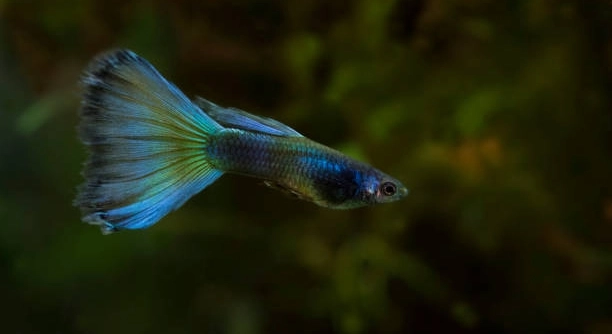
Is your guppy tank not looking quite right, and you’re unsure what could be causing the trouble? Sometimes the problem lies in something simple like the oxygen level in the water, which is often overlooked. Paying attention to small changes in your tank can make a big difference for your fish.
Low oxygen in a guppy tank can lead to sluggish behavior, gasping at the surface, and poor overall health. Ensuring proper oxygen levels is crucial for maintaining a stable and thriving environment for your guppies.
Recognizing the early signs of low oxygen can help prevent long-term issues. Here are seven clear indicators that your guppy tank may need more oxygen.
Guppies Gasping at the Surface
When guppies swim to the top of the tank and repeatedly open and close their mouths, they are trying to get more oxygen from the air. This usually means the water isn’t holding enough dissolved oxygen for them to breathe properly. While it’s normal for guppies to swim near the surface at times, frequent gasping is a clear sign that something is wrong. Warmer water holds less oxygen, so if your tank is too warm, this can make the problem worse. Poor water circulation or buildup of waste can also lower oxygen levels. A dirty or crowded tank can reduce water quality quickly, so regular cleaning and proper filtration are key. It’s important to make sure your tank isn’t overstocked and your filter is working efficiently. Adding live plants and using an air pump can help increase oxygen levels and keep your guppies more comfortable.
This behavior can become stressful for your guppies if not addressed early. They depend on stable oxygen levels to stay active and healthy.
Pay attention to this behavior if you notice it happening regularly. It can be the first visible warning that your tank needs changes. Taking simple steps can quickly make a difference in your guppies’ well-being.
Sluggish or Inactive Behavior
Guppies are usually very active, so if they seem slow or uninterested in swimming, oxygen levels could be too low.
Low oxygen makes it hard for guppies to stay energized. Instead of swimming around like usual, they may hover near the bottom or hide more often. These changes often go unnoticed at first, but they’re important to catch early. This behavior can also look like your guppies are just resting, so it’s important to observe them during different times of the day. If they ignore food or don’t react much to your presence, that’s another clear sign. Low oxygen can affect their metabolism and immune system, leaving them more vulnerable to other health issues. Using an air stone or adjusting your filter to increase surface movement can help improve the oxygen exchange in your tank. Small changes in behavior are worth paying attention to, especially when they signal something that can be fixed.
Fish Staying Near the Filter
If your guppies spend a lot of time near the filter output, they may be seeking areas with more oxygen. The moving water around the filter helps increase oxygen levels, which can bring them relief.
When oxygen in the tank is low, guppies naturally move toward the filter where the water movement is strongest. This area usually has better oxygen due to surface agitation. It’s not normal for guppies to hang around the filter constantly, so this behavior should not be ignored. You might also notice they stay in groups around the filter instead of exploring the tank. This clustering often means they are struggling to find comfortable spots with enough oxygen. Adding more surface agitation or adjusting your filter to improve water flow can help. It’s a sign the whole tank environment needs improvement, not just a temporary fix.
Making changes like adding an air stone or rearranging decorations to allow better flow can help. Even small obstacles can block circulation and lower oxygen levels throughout the tank. By keeping water moving evenly, you give all your guppies a better chance to breathe and feel comfortable. Watch how they behave after making changes—positive signs usually show quickly if the problem is being fixed.
Reduced Appetite in Guppies
Low oxygen can make guppies lose interest in eating. If they ignore food they usually love or seem slow to react at feeding time, it may be tied to poor water quality and reduced oxygen levels.
Oxygen is important for digestion and overall energy. When levels drop, guppies can become sluggish, and their bodies may not handle food properly. Over time, this can affect their health and growth. If you notice food sinking to the bottom uneaten or guppies swimming past without excitement, it’s not just picky behavior. It’s often a sign they’re uncomfortable. Adding more oxygen can bring back their appetite. Check that your filter is clean, your water is fresh, and your tank isn’t overcrowded. Feeding time is a good way to observe your guppies’ health, so take note of any sudden changes. A healthy appetite usually means your tank conditions are on track.
Increased Gill Movement
If your guppies are breathing heavily, with gills moving faster than usual, it’s often a reaction to low oxygen. Their bodies work harder to pull in enough air, even when they’re not swimming or active.
This type of breathing usually stands out once you know what to look for. It’s more rapid and consistent, even while resting.
Cloudy Water or Foul Smell
Poor oxygen levels often go hand in hand with dirty water. A tank that smells bad or looks cloudy might not have enough circulation. Waste buildup lowers water quality, making it harder for oxygen to stay at healthy levels. Cleaning the tank, checking the filter, and reducing leftover food can help restore balance.
Snails or Shrimp Acting Strangely
Invertebrates like snails and shrimp can also react to low oxygen. If they climb to the top often or seem unusually inactive, something in the tank may be off. They are sensitive and respond quickly to changes in water conditions.
What are the main causes of low oxygen in a guppy tank?
The most common causes of low oxygen in a guppy tank are poor water circulation, overcrowding, high water temperature, and insufficient filtration. When there isn’t enough movement in the water, oxygen can’t properly dissolve and distribute throughout the tank. Overcrowding means more fish are using the available oxygen, which can quickly deplete the levels. A tank that is too warm reduces the oxygen content in the water. Lastly, if your filter isn’t working efficiently or is too small for the tank, the oxygen levels will be compromised.
How can I increase oxygen levels in my guppy tank?
To increase oxygen levels in your guppy tank, start by improving water circulation. You can do this by adding an air pump, using air stones, or adjusting your filter to create more surface agitation. Moving decorations around to avoid blocking water flow also helps. Keeping the water temperature in the right range (typically 72-78°F) will help too. Adding live plants can also naturally increase oxygen by producing it through photosynthesis. Regular water changes and ensuring the filter is working properly will also support healthy oxygen levels.
Can low oxygen cause health problems for my guppies?
Yes, low oxygen can lead to a range of health problems for guppies. When oxygen levels drop, guppies struggle to breathe, leading to stress and a weakened immune system. This makes them more susceptible to diseases and infections. Chronic low oxygen can cause reduced growth, poor coloration, and decreased energy, resulting in guppies becoming sluggish or inactive. Prolonged periods of low oxygen may even shorten their lifespan. It’s important to keep an eye on oxygen levels to avoid these issues and ensure your guppies stay healthy.
How do I know if my guppies need more oxygen?
Signs that your guppies need more oxygen include gasping at the surface, unusual sluggishness or inactivity, or rapid gill movement. You may also notice your guppies clustering near the filter or other areas of high water movement. If they seem uninterested in food or are hiding more often than usual, it’s another sign that oxygen levels might be low. If these behaviors persist, it’s crucial to take action by improving water circulation and checking the overall health of the tank environment.
Is it normal for guppies to swim at the surface?
It’s normal for guppies to swim near the surface from time to time, especially when they are resting or feeding. However, if they are consistently swimming at the surface, gasping for air, or seem to be struggling to breathe, it’s a sign that there isn’t enough oxygen in the water. In this case, you should consider increasing oxygen levels by adjusting the water flow or adding an air pump. Consistent surface swimming with signs of labored breathing should not be ignored.
Can a tank’s temperature affect oxygen levels?
Yes, temperature plays a significant role in oxygen levels. As water temperature rises, it holds less oxygen. This means that a tank that is too warm can have significantly lower oxygen levels, even if the water quality is good. Guppies thrive in a temperature range of 72-78°F, so keeping your tank within this range will help ensure adequate oxygen levels. If your tank is getting too warm, consider lowering the temperature slightly, increasing surface agitation, or adding an additional oxygen source to compensate.
Do I need a separate air pump for my guppy tank?
While not always necessary, an air pump can be a helpful addition to ensure your guppies have enough oxygen. Air pumps help create surface agitation, which promotes oxygen exchange between the water and air. This can be especially important if your filter doesn’t create enough movement in the water or if your tank is overcrowded. If your guppies are showing signs of low oxygen or you have a larger tank, adding an air pump can help maintain healthy conditions for your fish.
How often should I change the water to keep oxygen levels stable?
Regular water changes are crucial for maintaining healthy oxygen levels. Generally, you should aim for a 25-30% water change every week. This helps remove waste and debris that can lower water quality and oxygen levels. If your tank is heavily stocked or has poor circulation, you might need to increase the frequency of water changes. Be sure to use a water conditioner to remove chlorine or chloramine, which can harm fish and interfere with oxygen levels.
Can live plants help with oxygen levels in my guppy tank?
Yes, live plants can be a great way to naturally increase oxygen levels in your tank. During the day, plants produce oxygen through photosynthesis, helping improve the water’s oxygen content. However, at night, plants absorb oxygen instead, so it’s important to have enough surface agitation to counterbalance this. Plants like Java Fern, Anubias, and Amazon Sword are easy to care for and can thrive in guppy tanks while benefiting the overall environment.
Should I worry if my guppies are swimming slowly?
Slow swimming can be a sign of low oxygen, especially if it’s a sudden change in behavior. Guppies are typically very active, so if they seem sluggish, it could mean they are struggling to get enough oxygen from the water. Look for other signs, like increased gill movement or gasping at the surface. If this behavior persists, take steps to improve the water’s oxygen levels by increasing circulation, adjusting the temperature, and checking the overall health of the tank.
Low oxygen levels in a guppy tank can quickly lead to stress and health problems for your fish. Guppies, like all fish, rely on oxygen to thrive. Without enough oxygen in the water, they can become lethargic, lose their appetite, and even start gasping for air at the surface. By understanding the signs of low oxygen, like rapid gill movement, unusual swimming behavior, or gasping, you can take action before the problem gets worse. Addressing the issue early can prevent long-term damage to your guppies and ensure they stay active and healthy.
Improving oxygen levels in your tank doesn’t have to be complicated. A few simple changes can make a big difference. You can start by ensuring that your filter is working properly and that there’s enough water movement. Using an air pump or air stones is an easy way to increase surface agitation, which helps oxygen dissolve into the water. Additionally, keeping the tank temperature in the right range is important, as warmer water holds less oxygen. If your tank is overcrowded, consider reducing the number of fish to avoid overloading the oxygen supply. Regular water changes and cleaning the tank can also help maintain good water quality.
Remember that your guppies depend on a stable and clean environment to stay healthy. By monitoring the oxygen levels in your tank and making adjustments as needed, you can create a better living space for them. A few small changes can go a long way in ensuring that your guppies thrive. Regularly check their behavior, look for signs of distress, and take action when necessary. With proper care, your guppies can live a long and healthy life in a well-maintained tank.

Hello,
If you enjoy the content that we create, please consider saying a "Thank You!" by leaving a tip.
Every little bit helps us continue crafting quality advice that supports the health, happiness, and well-being of pets around the world, for pets of all shapes, sizes, and species.
We really appreciate the kindness and support that you show us!