
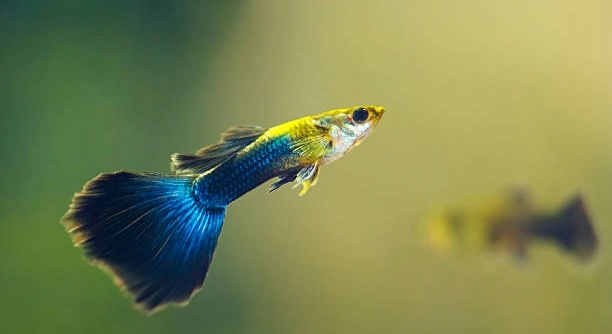
Guppy tanks require good filtration to maintain a healthy environment. Poor filtration can lead to various issues that affect water quality and the well-being of your fish. This article will highlight key signs your guppy tank might need better filtration.
Your guppy tank may need improved filtration if you notice signs like cloudy water, an increase in algae, or if your fish appear stressed. These are indicators that the filter is not effectively keeping the water clean and balanced.
A better filtration system can help improve water quality and the overall health of your guppies. Understanding these signs will help you ensure a more stable environment for your fish.
Cloudy Water
Cloudy water in your guppy tank is often a sign of poor filtration. If your water looks murky or has a milky appearance, it means your filter is struggling to remove waste and debris effectively. Inadequate filtration can cause a build-up of organic matter, which clouds the water and harms your fish. It’s important to address this issue right away since dirty water can lead to bacterial growth, affecting the health of your guppies. A clean, clear tank is essential for their well-being, and if your filter isn’t up to the task, it’s time to upgrade.
A water change might help temporarily, but improving your filtration system will fix the root cause. When choosing a filter, ensure it matches your tank size and water flow needs. Look for filters designed specifically for smaller tanks, like those that cater to guppy habitats.
It’s essential to keep your tank’s water clear because murky water stresses your guppies and makes them more prone to illness. A high-quality filter will keep the water oxygenated and free of harmful substances. Regular maintenance of your filtration system, like cleaning or replacing filter media, is crucial to ensuring your tank remains healthy. If cloudy water persists despite cleaning and water changes, upgrading to a more efficient filter is the best solution.
Excessive Algae Growth
Algae growth is another sign that your filtration system isn’t working well. Algae thrives in water with too many nutrients, which often comes from waste or uneaten food. Poor filtration can’t effectively remove these nutrients, leading to an algae bloom. Algae can turn your tank into a green mess and block light from reaching plants, which hurts your tank’s ecosystem. It can also cause oxygen depletion, stressing your fish.
Algae overgrowth means the filter isn’t managing the waste load in your tank. Look for a filtration system that can handle the size of your tank and remove excess organic matter effectively.
A good filtration system does more than just keep the water clean. It helps balance the nutrients in your tank, ensuring that algae doesn’t overgrow. You should also avoid overfeeding your guppies, as uneaten food can contribute to algae. If algae blooms become a constant issue, consider upgrading your filter to one that handles both mechanical and biological filtration. Proper filtration keeps your guppies healthier by ensuring clean water and a balanced environment.
Fish Showing Stress Signs
If your guppies are swimming erratically, hiding more than usual, or showing signs of distress like clamped fins, poor water filtration might be the cause. Stress is one of the first signs that the tank environment is not ideal for your fish. Without proper filtration, harmful substances accumulate, affecting your guppies’ behavior. Clean, filtered water is essential to keeping them calm and healthy. If your fish are acting strangely, it’s time to assess the filtration system.
Fish need a stable environment to thrive. If the water quality isn’t up to standard, your guppies will be more likely to exhibit abnormal behavior. An inefficient filter won’t remove toxins or bacteria that cause stress. Regular water changes and monitoring the health of your filter are important steps in ensuring your guppies feel comfortable. It’s also helpful to check the water parameters, like ammonia and nitrate levels, to see if the filter is working effectively.
Guppies are particularly sensitive to changes in water quality. A poor filtration system can quickly lead to poor water conditions, triggering stress responses in your fish. If your guppies are constantly hiding or exhibiting unusual behavior, it’s a clear sign that your filter isn’t providing the clean water they need. Upgrading or cleaning the filter regularly can make a significant difference in reducing stress and promoting the health of your guppies.
High Nitrate Levels
High nitrate levels in the tank often indicate that the filtration system is not handling waste properly. Nitrates are a byproduct of fish waste, uneaten food, and decaying plants. When the filter is unable to process these compounds, nitrates can build up, leading to harmful water conditions. This can stress your guppies and cause long-term health problems. Testing the water regularly for nitrates will help you determine if your filter is performing as expected.
Nitrates can accumulate quickly, especially in smaller tanks with more fish. A good filter should help remove these harmful chemicals by promoting biological filtration. Biological filters use beneficial bacteria to break down nitrates and other waste products. If you notice high nitrate readings on your water tests, it’s a sign that your filter needs improvement. Regular maintenance of the filter, such as cleaning and replacing media, is essential to ensure it continues to perform at its best.
If your nitrates are high despite regular water changes, it’s a clear indication your filter isn’t working as efficiently as it should. A filter upgrade or additional filtration may be necessary to bring the levels back to normal. Reducing the amount of uneaten food and waste in the tank can also help lower nitrate levels. Proper filtration is crucial for keeping your guppies in a healthy, low-stress environment.
Slow Water Circulation
Slow water circulation can lead to stagnant areas in your tank, where debris and waste build up. If the water isn’t moving enough, the filter can’t properly pull waste out of the tank. This can result in poor water quality and higher toxin levels, which can affect your guppies.
Water circulation plays an important role in maintaining water quality. A properly functioning filter ensures even distribution of water flow throughout the tank. If you notice certain areas of your tank that are consistently calm or stagnant, it’s time to reassess the water movement and filtration system.
A filter that isn’t producing enough flow can leave pockets of debris in your tank. This creates an environment where harmful substances can build up. The right filter will provide a gentle yet consistent flow, ensuring your guppies have a stable and healthy habitat.
Uneven Tank Conditions
When your guppy tank has uneven water conditions, it’s often a sign of poor filtration. If some areas of the tank are cleaner than others, it suggests that the filter isn’t evenly circulating water. Inconsistent water flow leads to certain spots with higher levels of waste or lower oxygen.
In an ideal tank, water should be evenly filtered and circulated, promoting a balanced environment. A good filtration system helps distribute oxygen and remove waste from all areas of the tank, preventing the buildup of harmful substances. If your guppies are avoiding certain areas, or if some spots are visibly dirtier, the filtration system may not be working properly.
Loud or Broken Filter
A loud or malfunctioning filter can indicate that something is wrong with your filtration system. It may be clogged or struggling to function properly, affecting water quality. If your filter sounds unusually loud, it could be time for maintenance or replacement.
A noisy filter is often an indication that it is not running as efficiently as it should. Over time, filters can get clogged with debris, or parts can wear down. Regular maintenance and checking the filter’s condition can help keep it functioning smoothly, ensuring your tank stays clean.
FAQ
What is the best filter for a guppy tank?
The best filter for a guppy tank is one that suits the tank size and provides adequate filtration without creating excessive water flow. Hang-on-back filters or sponge filters are great options for smaller tanks, as they offer good filtration and gentle water movement. Make sure the filter is rated for the tank’s size to avoid overloading or under-filtering.
How often should I clean my filter?
You should clean your filter at least once a month. However, if you notice your water quality deteriorating or your filter becoming noisy, it may need cleaning sooner. Cleaning too often can disrupt beneficial bacteria, so make sure you clean it gently and only when necessary.
Can I have too much filtration in my guppy tank?
Yes, excessive filtration can create strong water currents that stress your guppies. Guppies prefer gentle water movement, so it’s important to choose a filter that provides sufficient filtration without causing turbulence. Adjusting the flow or using a filter with adjustable settings can help balance filtration and comfort.
What is the difference between mechanical, biological, and chemical filtration?
Mechanical filtration physically removes debris, waste, and particles from the water. Biological filtration uses beneficial bacteria to break down harmful substances like ammonia and nitrites. Chemical filtration, typically through activated carbon, removes impurities and toxins, helping to keep the water clean and clear. A good filtration system often combines all three methods for optimal water quality.
How do I know if my filter is working properly?
You can tell if your filter is working by checking water quality regularly. Clear, clean water, stable water parameters (like ammonia, nitrite, and nitrate levels), and the absence of visible debris are signs that the filter is doing its job. If you notice cloudy water, high nitrate levels, or debris accumulating, your filter may need cleaning or replacement.
Can I use a filter that is too strong for my guppy tank?
While it’s important to have sufficient filtration, using a filter that is too strong can create strong water currents that stress your guppies. Guppies prefer calm waters with gentle movement. If you use a filter that is too powerful, you can mitigate the current by using a sponge filter or a filter with an adjustable flow rate.
How do I maintain a filter in my guppy tank?
To maintain a filter, clean it regularly by rinsing the filter media in tank water (never tap water) to avoid killing beneficial bacteria. Check for clogging, and replace the media as needed. Inspect the filter every month to ensure it’s functioning properly, and clean or replace it when necessary.
Should I replace the filter media regularly?
Yes, filter media needs to be replaced periodically, but not all at once. Replace a portion of the filter media every few weeks to ensure the beneficial bacteria continue to thrive. Replacing all the media at once can cause a sudden drop in bacteria, disrupting the nitrogen cycle and negatively impacting water quality.
How long should a filter run each day?
A filter should run 24 hours a day, 7 days a week, to ensure continuous water circulation and filtration. Guppies require consistent water quality, and stopping the filter even for a few hours can cause toxins to build up. It’s essential to have a filter that can handle continuous operation.
Can I overfeed my guppies and affect the filtration?
Yes, overfeeding guppies can lead to excess food decomposing in the tank, which clogs the filter and raises waste levels. This leads to poor water quality, putting additional stress on the filtration system. Be mindful of how much food you offer your guppies and remove uneaten food after a few minutes to prevent waste buildup.
Why is my filter producing a lot of bubbles?
If your filter is producing too many bubbles, it could be because the filter is producing too much water movement, or the air intake is clogged. It might also be caused by an air stone or sponge filter that is creating more bubbles than needed. Adjusting the filter’s settings or cleaning the filter components can resolve this issue.
Is it necessary to use an air pump with my filter?
An air pump isn’t always necessary, especially if your filter already provides sufficient water movement and oxygenation. However, in tanks with poor water circulation, an air pump can help oxygenate the water and increase water movement, improving the overall health of your guppies.
How can I improve water quality without changing the filter?
You can improve water quality by performing regular water changes, removing debris, and ensuring the tank is not overstocked. Avoid overfeeding and maintain proper tank maintenance to keep the water conditions stable. Adding live plants can also help naturally filter the water by absorbing excess nutrients.
How often should I change the water in my guppy tank?
Water changes should be done regularly to maintain a healthy tank environment. Generally, a 25-30% water change every 1-2 weeks is recommended. However, if your tank has more fish or you notice water quality problems, more frequent water changes may be necessary to keep things in balance.
Can I use a filter without a pump in my guppy tank?
A filter without a pump isn’t ideal for a guppy tank, as it would struggle to properly circulate the water. Pumps help ensure the water flows through the filter, preventing stagnation and helping the filter work effectively. Consider adding a pump or choosing a filter with an integrated pump for best results.
How can I prevent my filter from getting clogged?
To prevent clogging, clean the filter regularly and avoid overfeeding your guppies. Remove uneaten food and waste promptly. Also, check for any obstructions in the filter’s intake tube and clean the filter media periodically to ensure proper water flow and filtration.
Final Thoughts
Maintaining a healthy guppy tank requires good water quality, and proper filtration plays a significant role in achieving that. A well-functioning filter removes harmful waste, debris, and toxins that can harm your guppies. If you notice cloudy water, high nitrate levels, or stressed fish, these are clear signs that your filter may not be working properly. Regular maintenance, such as cleaning the filter and performing water changes, helps keep the system running efficiently and ensures your guppies stay healthy and happy.
It’s essential to choose a filter that fits the size of your tank and provides adequate filtration without disturbing your fish with excessive water flow. Filters come in different types, including mechanical, biological, and chemical, and most efficient filters combine all three methods. By understanding how your filter works, you can better care for your guppies. Keep in mind that not all filters are created equal, so make sure to select one that matches your tank’s needs and your fish’s comfort.
Good filtration is just one part of maintaining a clean and healthy aquarium. Along with filtering, you need to monitor water conditions, avoid overfeeding, and ensure the tank isn’t overcrowded. By addressing any issues related to filtration early, you can avoid bigger problems down the road. Regular testing, careful maintenance, and a properly functioning filtration system are key to a thriving guppy tank.

Hello,
If you enjoy the content that we create, please consider saying a "Thank You!" by leaving a tip.
Every little bit helps us continue crafting quality advice that supports the health, happiness, and well-being of pets around the world, for pets of all shapes, sizes, and species.
We really appreciate the kindness and support that you show us!