
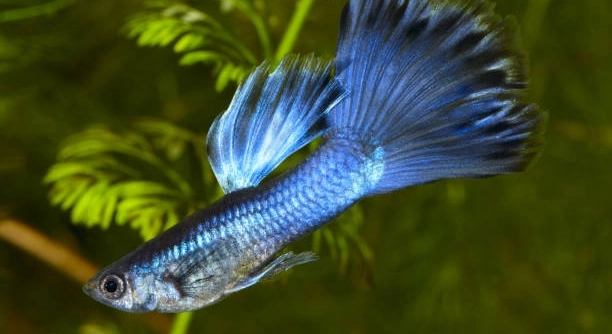
Is your guppy tank feeling a bit too warm lately, and you’re starting to notice your fish behaving differently than usual?
When the water temperature in a guppy tank exceeds the ideal range, it can affect your fish’s health, stress levels, and behavior. Prolonged exposure to high heat may even weaken their immune system and reduce their lifespan.
Recognizing early signs of overheating can help you protect your guppies and maintain a more balanced and healthy tank environment.
1. Guppies Gasping at the Surface
When guppies consistently swim near the surface and appear to gasp for air, it often points to oxygen depletion caused by high water temperatures. Warm water holds less oxygen, making it harder for your fish to breathe. This behavior should not be ignored, as it can signal that the tank’s conditions are no longer suitable. If left unaddressed, your guppies could suffer from stress and even long-term damage to their respiratory system. Start by checking your tank’s temperature and ensuring it stays within the ideal range of 72°F to 82°F. Add an air stone or increase surface agitation to help raise oxygen levels. Warmer tanks require extra attention to maintain the balance guppies need for their health and comfort.
Look for constant hovering near the top or labored breathing—these signs are often tied directly to elevated water temperatures.
A reliable thermometer helps you track temperature changes before they affect your guppies. Always monitor closely.
2. Increased Aggression
High temperatures can lead to increased activity in guppies, which sometimes presents as aggression. You may notice more chasing or fin nipping, especially in crowded tanks where space is limited.
When the tank gets too warm, your guppies’ metabolism speeds up, which can make them more energetic and reactive. While guppies are generally peaceful, heat stress can disrupt their behavior. Males may become territorial, and even females can start lashing out when stressed. This tension often leads to injuries, torn fins, or social imbalance among the fish. It’s helpful to introduce more hiding spots or plants to give each fish space to cool down. Reducing lighting and using a fan to lower water temperature can also ease their stress. Keep in mind that even a small rise in degrees can have a noticeable effect. By adjusting the environment early, you can reduce aggressive behavior and restore calm to your guppy tank.
3. Faded Colors and Washed-Out Appearance
Guppies often lose their bright coloring when exposed to high temperatures for extended periods. The heat can affect their pigmentation and overall vitality, making them look dull or faded even if they were once vibrant.
When your tank runs too warm, guppies may begin to display less intense hues, especially around the fins and tail. This happens because heat-induced stress impacts their physical health and weakens their immune response. Their energy gets redirected toward staying alive instead of maintaining appearance. Faded colors can be one of the first visual signs that something’s off in your tank, so it’s worth paying attention to. Consistent high temperatures can even reduce breeding success, as guppies in poor condition are less likely to reproduce. A cooler, more stable environment helps restore color and vitality over time. Regular water checks and subtle temperature adjustments make a difference without needing any major changes.
Stable conditions help bring back your guppies’ color. Lowering the tank temperature gradually, without drastic changes, supports recovery. Avoid strong lighting and limit feeding during the adjustment period. Include live plants to help with temperature control, and make sure the tank isn’t placed near heat sources. Keeping things consistent is key to helping guppies regain their natural appearance.
4. Sluggish Swimming and Lethargy
Slower swimming or long periods of stillness can signal that your tank is too warm. Guppies usually stay active, so a noticeable change in movement can indicate discomfort.
Heat affects how guppies process oxygen, and if there’s not enough available, their energy levels drop. You might see them resting more at the bottom or floating near decorations without much activity. These are not normal behaviors for healthy guppies. Lethargy can also be linked to reduced appetite, which makes recovery harder. If left too warm for too long, they become more vulnerable to illness. Begin by turning off nearby lights and opening the tank lid to let heat escape. Use a fan or a small water chiller to help bring the temperature back down slowly. Combine this with regular monitoring to prevent further stress. Proper movement and alertness should return once the temperature returns to a safer range.
5. Reduced Appetite
Warm water can make guppies lose interest in food. You may notice them ignoring flakes or swimming away from pellets they usually enjoy. This drop in appetite is often connected to temperature-related stress.
If the tank stays too warm, digestion slows down, and guppies may avoid eating altogether. A consistent drop in feeding behavior should not be ignored.
6. Faster Breathing
Rapid gill movement is a common reaction when guppies are struggling to get enough oxygen. Warmer water reduces oxygen levels, forcing them to breathe faster to get what they need.
You might see them staying near filters or air stones, where oxygen is more available. This sign often appears early when temperatures rise suddenly.
7. Algae Growth Increase
Excess heat speeds up algae growth in guppy tanks. With warmer water and more light exposure, algae can spread quickly across glass, plants, and decorations. This affects water clarity and can upset the tank’s balance. Regular cleaning and lowering the temperature help limit algae before it becomes difficult to manage.
FAQ
What is the ideal temperature for guppies?
Guppies thrive best in water temperatures between 72°F and 82°F (22°C to 28°C). This range supports healthy digestion, good coloration, active behavior, and breeding. Water that is too cold or too warm can lead to stress and health issues. Try to maintain a steady temperature with minimal fluctuations throughout the day. Sudden shifts can affect their immune response and create unnecessary pressure on their systems. Using a reliable aquarium heater with a built-in thermostat helps keep conditions stable. Always place the thermometer on the opposite side of the heater to get accurate readings.
How do I check if my guppy tank is too warm?
The most effective way is to use a digital aquarium thermometer. Check the temperature at different times of day, especially during summer or if the tank is near a window or appliance. You can also observe guppy behavior—signs like gasping at the surface, faster breathing, or lethargy often appear when the tank is too warm. Sudden algae growth or faded colors can also hint at rising temperatures. If your room is warm, consider keeping lights off longer or moving the tank away from direct sunlight to help regulate the water temperature.
Can warm water kill guppies?
Yes, if the temperature gets too high and stays elevated for a long time, it can cause serious stress and even death. Prolonged exposure to temperatures above 84°F (29°C) lowers oxygen levels and weakens the immune system. This makes guppies more prone to infections and reduces their ability to recover. Some guppies may adapt briefly, but the damage often builds up over time. Acting early when you notice changes in behavior or appearance gives them a better chance to recover. Gradual adjustments are safer than quick changes when lowering the tank temperature.
How can I cool down my guppy tank safely?
Start by turning off the tank light if it’s generating extra heat. Remove the tank lid temporarily to let heat escape. You can also point a small fan across the surface to help with evaporation and cooling. If needed, float a bag of ice cubes in the water, but make sure it’s sealed to prevent contamination. Avoid pouring cold water directly into the tank—it shocks the guppies. For longer-term control, consider using an aquarium chiller. Keeping your tank away from heat sources like windows or appliances can also make a big difference.
What happens if the temperature keeps fluctuating?
Constant temperature changes can cause stress and weaken your guppies’ immune system. They may stop eating, show unusual swimming patterns, or become more aggressive. Fluctuations can also lead to illness, especially in younger or smaller guppies that are more sensitive. It’s best to aim for a consistent temperature. Use a heater with a built-in thermostat and check it daily to make sure it’s working properly. If you live in a place with big temperature swings, monitor your tank more often and take steps to insulate it or control the room temperature.
Can high temperatures affect breeding?
Yes, warmer temperatures can reduce breeding success. While slightly warmer water sometimes stimulates breeding, heat stress has the opposite effect. Guppies may produce fewer or weaker fry, or stop mating altogether. Females might also reabsorb fry under stress, leading to delayed or missed births. Keeping the tank within the ideal range and offering a stress-free environment with plants and hiding spots supports healthy reproduction. Consistency is key—both for the adults and any baby guppies that are born. Avoid letting the water temperature climb too high if you’re hoping to encourage breeding.
Final Thoughts
Keeping the right water temperature is important for your guppies’ health. When the tank gets too warm, it affects how they breathe, eat, and move. Signs like fast breathing, staying near the surface, or avoiding food are small changes that can point to a larger issue. Guppies are sensitive to changes in their environment, especially heat, and they rely on you to maintain stable conditions. When the water gets too hot, oxygen levels drop, and their body functions slow down. This puts stress on their systems and can lead to long-term health problems if not corrected early.
A tank that stays within the right temperature range supports good behavior, strong colors, and regular feeding. It also keeps algae growth in check and reduces the risk of disease. Using a reliable heater and thermometer helps you keep the tank stable, especially when the weather changes. If your tank does get too warm, take action slowly. Sudden changes in temperature can be just as harmful as high heat. Simple steps like turning off the lights, increasing surface movement, or adding a fan near the tank can make a difference. Over time, staying aware of your tank’s conditions will help your guppies stay healthy and active.
Being aware of early signs gives you time to act before things get worse. A single warm day might not be a problem, but repeated or constant heat can slowly cause harm. Checking the tank every day, adjusting room conditions, and choosing the right tank placement all help in managing the temperature. Whether you’re new to keeping guppies or have had them for a while, creating a balanced and comfortable tank gives them the best chance to thrive. When guppies live in the right conditions, they show brighter colors, eat well, and move with ease. It takes daily attention, but the results are worth it. Watching your guppies stay active, healthy, and full of life is a clear sign that your care is paying off.

Hello,
If you enjoy the content that we create, please consider saying a "Thank You!" by leaving a tip.
Every little bit helps us continue crafting quality advice that supports the health, happiness, and well-being of pets around the world, for pets of all shapes, sizes, and species.
We really appreciate the kindness and support that you show us!