
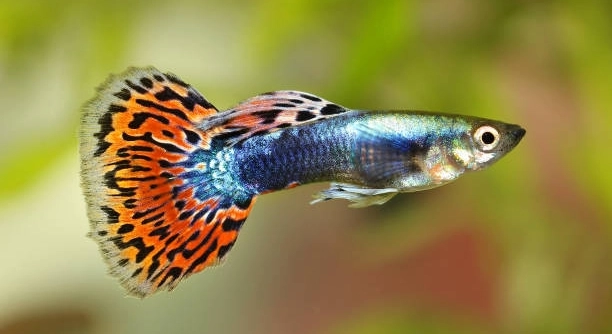
A guppy tank’s brightness plays a crucial role in your fish’s health. While it’s natural to want a well-lit aquarium, too much light can have negative effects. Understanding the signs of excessive brightness is important for your tank’s wellbeing.
The main indicator that your guppy tank is too bright is the appearance of excessive algae growth, which thrives under intense lighting. Additionally, your guppies may appear stressed, displaying behaviors like hiding or frequent surface gasping, indicating discomfort.
Making small adjustments to the lighting in your guppy tank can make a significant difference. This guide will help you understand the signs of too much light and how to maintain a healthy environment for your fish.
The Effects of Too Much Light on Your Guppies
Excessive lighting can affect your guppies in multiple ways. While they enjoy natural light, prolonged exposure to bright artificial lights can cause stress. Stress in guppies may lead to decreased activity levels, causing them to spend more time hiding or swimming near the surface. This behavior often indicates that the fish are uncomfortable. Additionally, bright lighting can disrupt their natural circadian rhythms, resulting in irregular sleep patterns and overall health issues. If you notice your guppies acting out of character, the lighting could be a significant factor. The algae blooms associated with too much light can further complicate the tank’s environment, leading to water quality issues.
While it’s easy to focus on the fish, remember that the tank’s ecosystem depends on balanced lighting. Too much light not only causes stress for your guppies but also promotes the growth of algae, making it harder to maintain clean water. Proper lighting is essential for their overall wellbeing.
Balancing the lighting in your guppy tank involves setting the right schedule. A good starting point is ensuring that the light is on for no more than 8-10 hours each day. Additionally, consider using a timer to regulate the light cycle. This helps prevent overexposure and mimics a natural day-night rhythm for your fish. Keep in mind that guppies appreciate dimmer lighting, especially during their rest periods. Adjusting the light intensity can also improve the tank’s aesthetics and your fish’s comfort.
How Algae Growth Signals Excessive Light
Algae growth is one of the most visible signs of too much light. It appears as a greenish film covering the tank’s walls, plants, and decorations. Algae thrives when exposed to bright light for extended periods, often indicating an imbalance in the tank’s environment.
When algae take over your tank, it’s a sign that the lighting system needs adjustment. This growth not only detracts from the beauty of your aquarium but also creates problems with oxygen levels and overall water quality. It’s essential to monitor the algae and take action before it worsens. Frequent cleaning and light adjustments can help.
You can control algae growth by adjusting the lighting schedule, reducing the time the light is on each day, and cleaning the tank more often. Using low-wattage lights or dimming the lights during specific times can also limit the nutrients that promote algae growth. Reducing the light intensity helps keep your guppies’ environment more balanced and prevents the buildup of algae. Moreover, adding live plants can compete with algae for resources, keeping the growth under control.
Stress in Guppies Due to Excessive Lighting
When the tank is too bright, your guppies may show signs of stress. They may begin to hide more often or swim erratically. These changes indicate that the light level is not ideal for their comfort.
Stress can weaken your guppies’ immune systems, making them more vulnerable to diseases. Over time, this can lead to a decline in their overall health. Fish in a stressed state may also stop eating or refuse to engage with the tank environment. To prevent this, it’s important to keep the lighting balanced and ensure your guppies have a comfortable, stress-free space.
Providing hiding spots such as plants, caves, or rocks in the tank can give your guppies a safe retreat from the bright lights. Additionally, reducing light intensity can prevent overstimulation. This way, your guppies can enjoy a more natural, relaxed environment, which helps them feel more secure and thrive.
Disruption of Natural Rhythms
Excessive lighting disrupts your guppies’ natural rhythms. The constant brightness throws off their day-night cycle, leading to irregular sleep patterns and behavior changes. This can result in a less active and more withdrawn fish.
Fish need a proper light cycle to regulate their activities, including feeding and resting. Guppies, like most fish, rely on darkness to rest and recover from the day’s activities. Without this natural transition, they become disoriented, which can affect their overall health and behavior. The artificial lighting must mimic the day-night cycle to avoid disrupting their internal clocks.
To maintain a healthy balance, consider using a timer for the lights to ensure that the aquarium lights are consistent. Keeping a regular cycle allows your guppies to have a proper rest and helps them maintain their natural behaviors. This promotes a more balanced and healthy environment.
Decreased Appetite and Feeding Behavior
Bright lights can cause your guppies to lose their appetite. They may become less interested in food and appear more agitated. This behavior is a clear sign that the lighting may be too intense for them.
A decrease in feeding can lead to health problems, such as weakened immune systems and malnutrition. Guppies that aren’t eating enough may not thrive in the long run. It’s important to create a calm environment where they feel safe enough to eat regularly, and adjusting the light is an easy step to help with this issue.
Increased Algae Growth and Water Quality Issues
When a tank is too bright, algae growth becomes a common problem. Algae thrive under intense light, spreading rapidly and affecting the water quality. This growth can cloud the water, making it harder to maintain clean conditions for your guppies.
Algae blooms not only look unpleasant but also compete with your fish for oxygen. They can lead to an imbalance in the tank, affecting the overall health of the aquarium ecosystem. To address this, reduce the lighting schedule and ensure proper filtration. Regular cleaning also helps maintain better water quality, allowing your guppies to thrive.
Disruption in Fish Behavior
Excessive light can cause unnatural behavior in your guppies. They may swim erratically or become more aggressive toward each other. This behavior is linked to the stress caused by the overexposure to light.
Adjusting the light to a more suitable level will help your fish feel more comfortable and natural in their environment. Guppies, like other fish, need periods of rest and darkness to behave normally and interact peacefully with one another.
FAQ
What is the ideal lighting schedule for a guppy tank?
The ideal lighting schedule for a guppy tank is typically 8-10 hours of light per day. Too much light can cause stress and excessive algae growth, while too little light can affect the fish’s natural behavior. A consistent day-night cycle, controlled by a timer, is best.
Can I use artificial lights for my guppy tank?
Yes, artificial lights are commonly used for guppy tanks. However, it’s important to choose the right type and intensity. LED or fluorescent lights with a gentle, low-intensity setting are ideal. Too bright or harsh lighting can cause stress to the fish.
How do I know if the lighting is affecting my guppies negatively?
Signs that the lighting is affecting your guppies include increased hiding, erratic swimming, lack of appetite, and increased algae growth in the tank. If your guppies are acting differently or the water is clouded by algae, it may be time to adjust the lighting.
Is direct sunlight harmful to guppies?
Direct sunlight can be harmful to guppies if it’s too intense or prolonged. While natural light can be beneficial in moderation, direct sunlight can cause rapid temperature fluctuations, stress, and excessive algae growth. It’s best to provide controlled, indirect light for your guppies.
How can I prevent algae growth in my tank?
To prevent algae growth, reduce the amount of light your tank receives each day. Limit the light to 8-10 hours, clean the tank regularly, and avoid overfeeding your fish. Adding live plants can help by competing with algae for nutrients.
Can too much light affect the water temperature in my tank?
Yes, excessive light can increase the water temperature, especially if the light is left on for too long. This can stress your guppies and disrupt their natural behavior. Keeping the light on for no more than 8-10 hours per day will help regulate the temperature.
Should I turn off the light completely at night?
Yes, turning off the light completely at night is essential for maintaining a healthy environment for your guppies. They need complete darkness to rest and follow their natural circadian rhythm. A consistent day-night cycle helps them stay healthy and active.
How can I regulate the intensity of the light?
You can regulate the intensity of the light by using dimmable LED lights or placing the light source further from the tank. There are also light filters available that can help reduce brightness without compromising the effectiveness of the lighting. Adjusting the light’s duration can also help.
Are there any lighting options that are best for guppy tanks?
For guppy tanks, low-intensity fluorescent or LED lights are typically the best. These lights offer even, soft illumination without overwhelming the fish. Avoid using high-intensity lights, which can cause stress and promote unwanted algae growth.
Can a lack of light affect guppies’ health?
Yes, too little light can affect guppies’ health. It can disrupt their natural day-night cycle, leading to stress and weakened immune systems. A proper amount of light is essential for their wellbeing, as it helps them maintain a healthy sleep-wake cycle and overall activity levels.
How can I fix a stressed guppy from too much light?
To fix a stressed guppy, reduce the lighting intensity and duration. Provide more hiding spots in the tank, such as plants or decorations, where they can retreat from the light. Ensure the tank has a consistent day-night cycle to help your guppies feel more secure and comfortable.
How do I keep my guppies active without using too much light?
To keep your guppies active, ensure they have a healthy environment with plenty of space, clean water, and food. Instead of using excessive lighting, focus on providing a well-balanced tank that allows them to exhibit natural behaviors. Proper filtration, good water quality, and appropriate tank conditions will encourage them to stay active.
Is LED lighting the best option for guppy tanks?
LED lighting is one of the best options for guppy tanks. It is energy-efficient, long-lasting, and provides adjustable lighting intensity. LED lights are also available in various color temperatures, allowing you to choose one that creates a natural, comfortable environment for your guppies.
Final Thoughts
In conclusion, finding the right lighting for your guppy tank is crucial for the overall health and well-being of your fish. Too much light can lead to stress, unhealthy behaviors, and water quality issues. It’s important to provide the right balance of light to help your guppies feel comfortable and thrive. A proper lighting schedule, with around 8-10 hours of light per day, helps maintain a healthy environment. This balanced approach allows your guppies to follow their natural day-night cycle, ensuring they are active and well-rested.
Adjusting the light intensity can make a big difference. Guppies do not need extremely bright lights to be happy and healthy. Using soft, low-intensity lighting is a better choice for most aquarium setups. This type of lighting reduces stress and helps prevent the growth of excess algae in the tank. You should also pay attention to the water temperature, as bright lights can cause fluctuations that are harmful to your guppies. Keeping the light on a timer can help regulate both the light duration and intensity, creating a consistent environment that your guppies will appreciate.
Lastly, regular maintenance of your tank plays an important role in keeping your guppies healthy. This includes cleaning the tank, checking the water quality, and observing your fish regularly for signs of stress or illness. By ensuring your guppy tank is not too bright and providing a calm and stable environment, you create a setting where your guppies can live happily. Adjusting the lighting as needed is one of the simplest and most effective ways to maintain a thriving, healthy aquarium for your guppies.

Hello,
If you enjoy the content that we create, please consider saying a "Thank You!" by leaving a tip.
Every little bit helps us continue crafting quality advice that supports the health, happiness, and well-being of pets around the world, for pets of all shapes, sizes, and species.
We really appreciate the kindness and support that you show us!