
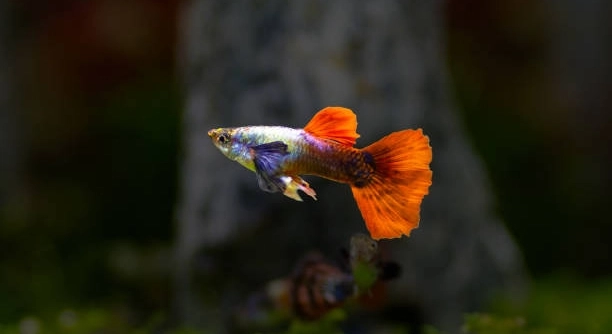
Guppies are small, vibrant fish that are easy to care for, but they can sometimes show signs of being underweight. Understanding how to spot these signs is important for ensuring their health and well-being.
A guppy is considered underweight if it has a noticeably smaller body, lacks energy, or has visible ribs and a sunken belly. These signs indicate that the fish is not getting enough nutrition and may require dietary adjustments or medical attention.
Being aware of these signs can help you act quickly, ensuring your guppy receives the proper care it needs to thrive. Knowing how to address their nutritional needs can make all the difference in their health and happiness.
Causes of an Underweight Guppy
Guppies can become underweight due to several factors. The most common reason is poor nutrition, especially if the fish isn’t receiving a balanced diet. Feeding them only one type of food, such as flakes or pellets, may lead to nutrient deficiencies. Inadequate feeding habits, like irregular meal times or not offering enough food, can also prevent them from gaining weight. Additionally, stress from environmental factors like poor water quality, overcrowding, or sudden changes in the tank conditions can cause weight loss.
Sometimes, an underweight guppy may also have a parasite or infection that affects its ability to digest food.
It’s essential to ensure a proper feeding routine and maintain a stable and clean environment. Regular water changes, along with a mix of high-quality foods, will help keep your guppy healthy. If the weight issue persists, checking for signs of illness or consulting with a veterinarian is advisable.
Recognizing Signs of Underweight Guppies
Spotting an underweight guppy requires keen observation. If the fish appears more transparent than usual, or if you notice its ribs or spine, it may be underweight.
A guppy that is too thin will likely swim less actively, spending most of its time near the bottom or hiding. Their belly may appear noticeably sunken, which indicates they are not getting enough nutrients. Guppies with visible skeletal structure may also show other symptoms like faded colors and a lack of energy.
The sunken belly is one of the clearest signs of malnutrition. If you notice these symptoms, it’s important to act quickly to prevent further health decline. Adjusting their diet or improving their living conditions can have a positive impact.
Poor Water Quality
Poor water quality is a major factor in a guppy becoming underweight. If the water conditions aren’t ideal, it can stress the fish and make it harder for them to absorb nutrients.
Ammonia, nitrites, and nitrates are all harmful to guppies, especially in high concentrations. Regular water changes are essential to keep toxins low and to maintain the right pH and temperature. If the water is too dirty, your guppy may lose its appetite or become lethargic. Both of these issues can lead to weight loss over time.
Using a reliable filtration system and testing the water regularly will help ensure a safe environment for your fish. It’s also important to avoid overfeeding, as uneaten food can pollute the water. Keeping the tank clean is crucial for maintaining your guppy’s health and helping it stay properly fed.
Inadequate Diet
An improper diet is another common reason for a guppy to become underweight. Guppies need a variety of foods to stay healthy, including both plant-based and protein-rich options.
Feeding only one type of food, like basic fish flakes, may not provide the full range of nutrients your guppy needs. It’s essential to rotate their meals with high-quality pellets, freeze-dried foods, and occasional live food like brine shrimp or daphnia. This variety ensures they get all the vitamins, proteins, and fats they require for healthy growth.
A guppy’s diet should include both proteins for muscle development and plant matter for digestion. Without these, their health will decline, and they may become underweight. Always be sure to feed in moderation to avoid water pollution as well.
Stress from Overcrowding
Overcrowding in a tank can stress out your guppy, making it more likely to become underweight. Too many fish in a small space can lead to constant competition for food and territory.
When guppies feel stressed, they often eat less and can become lethargic. This reduces their chances of gaining weight. It’s important to make sure the tank is large enough for your fish to move freely. A tank that’s too small or overcrowded can negatively impact their health and weight.
Illness or Parasites
Illnesses like internal parasites or infections can cause your guppy to lose weight rapidly. Parasites affect their ability to digest food properly, leading to malnutrition.
If your guppy has visible signs of illness, such as faded color, unusual swimming behavior, or bloating, it may be suffering from a parasite or infection. Treating your guppy with the appropriate medications and improving water quality is essential for recovery. Early detection can prevent further health issues and help your guppy regain a healthy weight.
Incorrect Water Temperature
Water temperature affects a guppy’s metabolism. If the water is too cold or too warm, the fish can become sluggish and may not feed properly.
Keeping the temperature consistent between 72°F and 82°F is ideal for guppies. If the water is too cold, their digestive system slows down, which can lead to weight loss. Conversely, water that is too warm can cause stress, making it harder for them to maintain a healthy weight.
FAQ
How can I tell if my guppy is underweight?
If your guppy is underweight, you will notice its body appearing thinner, with visible ribs or spine. The belly may appear sunken, and the fish may swim less actively or hide more often. These are clear signs that your guppy is not getting enough nutrition. Its color may also look dull, and the fish may seem lethargic. Always check your guppy’s behavior, appearance, and swimming patterns for any changes.
What can I feed an underweight guppy to help it gain weight?
To help an underweight guppy gain weight, offer a variety of nutritious foods. High-quality fish flakes, pellets, and freeze-dried foods like brine shrimp or daphnia are excellent choices. You can also offer live food like bloodworms or small pieces of vegetables like zucchini. Ensure you rotate the foods regularly to provide the proper nutrients. It’s important to feed in small amounts several times a day to avoid water pollution.
How often should I feed my guppy?
Feed your guppy small amounts of food 2-3 times a day. Overfeeding can lead to poor water quality, which can contribute to weight loss. A feeding schedule helps ensure your fish gets the right amount of nutrition without overloading the tank with uneaten food. If your guppy is underweight, slightly increase the portion size but avoid overfeeding.
Can stress cause a guppy to lose weight?
Yes, stress can lead to weight loss in guppies. Stress from overcrowding, sudden changes in water conditions, or incompatible tank mates can cause your guppy to eat less or become lethargic. Maintaining a stable, peaceful environment with proper tank size and clean water is essential to minimize stress and support healthy weight gain in your guppy.
What is the ideal tank size for guppies?
The ideal tank size for guppies is at least 10 gallons for a small group of fish. A larger tank will allow more space for swimming and reduce stress. Overcrowding can lead to weight loss and other health issues, so it’s crucial to avoid cramming too many fish into a small space. A larger tank also helps maintain stable water conditions, which is essential for your guppy’s health.
How do I improve the water quality for my guppy?
To improve water quality, perform regular water changes of 20-25% every 1-2 weeks. Use a good filtration system to keep the water clean and remove toxins. Test the water frequently to ensure that levels of ammonia, nitrites, and nitrates are within safe ranges. Maintain a stable water temperature between 72°F and 82°F and adjust the pH as needed to suit your guppies’ needs.
How can I prevent my guppy from becoming underweight?
To prevent your guppy from becoming underweight, feed a well-balanced diet, maintain a clean tank, and avoid overcrowding. Regularly monitor the water conditions and perform routine maintenance to keep the environment stable. Provide a variety of foods to ensure your guppy receives all the necessary nutrients, and avoid abrupt changes to the tank setup that could stress them out.
Can I treat an underweight guppy at home?
Yes, you can treat an underweight guppy at home by improving its diet and environment. Start by offering high-quality, varied foods like live, frozen, or freeze-dried options. Make sure the tank is clean and the water conditions are optimal. If the problem persists, consider consulting a vet for advice on any possible medical treatments.
How long will it take for an underweight guppy to gain weight?
The time it takes for an underweight guppy to gain weight varies depending on the severity of the weight loss, the quality of its food, and the water conditions. In most cases, with proper diet and care, you should begin to notice improvements within a couple of weeks. However, it may take longer for severely underweight guppies to regain a healthy weight. Patience and consistency are key.
What temperature is best for an underweight guppy?
For an underweight guppy, maintaining the water temperature between 72°F and 82°F is ideal. This range supports their digestion and overall health. If the water is too cold, the fish’s metabolism slows down, which can prevent them from gaining weight. If it’s too warm, it could lead to stress. Keeping a consistent temperature helps the fish thrive.
Can an underweight guppy be cured?
Yes, an underweight guppy can be cured with the right care. Start by improving their diet with nutritious foods, ensuring they have a clean and stress-free environment, and checking the water quality regularly. If the guppy’s condition doesn’t improve after a few weeks, consider consulting a vet to rule out underlying medical issues.
Final Thoughts
Taking care of a guppy involves more than just feeding them once in a while. To keep them healthy and happy, it’s important to pay attention to their environment and diet. If your guppy appears underweight, it’s a sign that something in its care needs to be adjusted. Whether it’s the quality of the water, the type of food provided, or the overall stress in the tank, addressing these factors can lead to a healthier, more vibrant fish. Regularly monitoring your guppy’s behavior, appearance, and overall health will give you a better chance of noticing problems early.
Maintaining a balanced diet is one of the most effective ways to ensure your guppy stays at a healthy weight. Offering a variety of foods like high-quality flakes, live or frozen food, and occasional vegetables will give your fish the nutrients it needs to thrive. Overfeeding can lead to poor water quality, so it’s important to feed only what they can consume in a few minutes. Along with proper feeding, ensuring clean water conditions with regular water changes and proper filtration will help your guppy absorb nutrients more effectively and stay active.
If your guppy is still underweight despite following proper care guidelines, it may be time to consider possible health issues. Diseases or parasites can sometimes cause weight loss and should not be ignored. If necessary, consult a vet to rule out any underlying conditions. Remember, with the right care, most guppies can regain their healthy weight. A few changes in their diet or environment can make a big difference. By observing your fish closely and providing the best care, you can help your guppy stay healthy for years to come.

Hello,
If you enjoy the content that we create, please consider saying a "Thank You!" by leaving a tip.
Every little bit helps us continue crafting quality advice that supports the health, happiness, and well-being of pets around the world, for pets of all shapes, sizes, and species.
We really appreciate the kindness and support that you show us!