
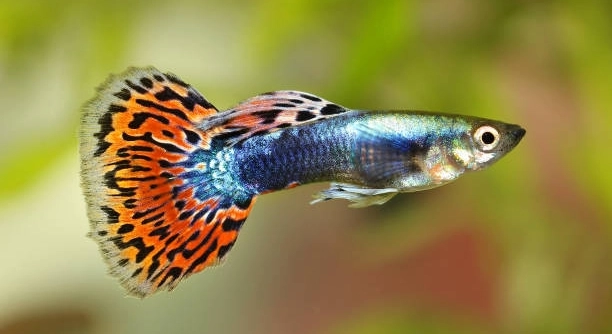
Is your guppy acting strangely or spending too much time at the bottom of the tank? Temperature could be affecting its comfort and health.
Guppies exposed to water that is too cold may experience lethargy, reduced immune function, and increased risk of disease. Cold temperatures slow their metabolism and can disrupt normal behaviors, ultimately compromising their overall well-being and survival.
Recognizing early signs of temperature stress can help keep your guppy safe and healthy in its environment.
Unusual Stillness and Lethargy
When guppies are too cold, they often become still and less active than usual. You might notice them resting at the bottom of the tank, hovering in one spot, or moving slowly without much interest in their surroundings. This lack of energy is caused by a drop in their metabolism, which slows down in response to colder water. Unlike tropical temperatures that support their usual swimming behavior, colder conditions make it harder for their bodies to function normally. Guppies rely on stable, warm environments to stay active and healthy. If the water temperature falls below their comfort range, it can lead to visible signs of discomfort. These behaviors may seem minor at first, but they are often an early warning sign. A consistently low temperature can cause further health issues over time, especially if it goes unnoticed. Reacting early can prevent more serious conditions and help restore your guppy’s energy.
Sluggish behavior in colder water is a sign that your guppy is struggling to adjust.
Make sure to monitor your tank’s temperature using a reliable aquarium thermometer. Keep the water between 72°F and 82°F to maintain proper health. When it falls too low, your guppy’s body begins to slow down, which affects overall activity levels and wellness.
Loss of Appetite
Guppies that are too cold often lose interest in food and may stop eating altogether.
In colder temperatures, a guppy’s digestive system slows down, making them less likely to eat or properly digest their food. This leads to uneaten food sinking to the bottom, which can cause water quality to decline and add stress. A reduced appetite can also weaken their immune system, making them more prone to illness. If your guppy starts ignoring meals, check your heater and thermometer immediately. Gradually raising the temperature back into their ideal range helps restore normal appetite and digestion. Avoid sudden changes, as this can cause more stress. Feeding smaller amounts during temperature correction is also safer. Consistently warm water supports better digestion, energy, and immunity. Cold water not only decreases their hunger but also interferes with how their body uses nutrients. A balanced, warm environment ensures your guppy eats regularly and stays in good condition.
Clamped Fins and Color Fading
Clamped fins are a common sign that your guppy is too cold. When stressed by low temperatures, guppies may keep their fins tightly folded against their bodies rather than letting them fan out naturally.
This reaction to the cold happens because the muscles controlling fin movement tighten when the body is under stress. Along with clamped fins, you may also notice a dulling of your guppy’s bright colors. The vibrant shades that normally stand out begin to fade, especially around the tail and body. This change is the result of slowed circulation and decreased metabolic activity, both triggered by cooler water. These signs don’t just affect appearance—they reflect how your guppy feels internally. Warmer water helps restore their normal color and allows their fins to relax again. Keeping a steady, appropriate temperature is key to preventing these stress indicators and supporting long-term health and appearance.
If the tank stays too cold, these symptoms can worsen. Over time, faded colors may become permanent, and your guppy might show signs of fin rot due to lowered immunity. Cold conditions make guppies more vulnerable to bacterial and fungal infections. Addressing the temperature promptly not only helps restore their appearance but also reduces their risk of secondary health problems. Regular temperature checks are essential.
Weak Swimming and Balance Issues
Cold water affects muscle function, which can make your guppy swim awkwardly or struggle to stay balanced. You may see them wobble, drift, or tilt to one side more often than usual.
This change happens because colder temperatures slow the nervous system, reducing coordination and strength. Guppies rely on their muscles and inner ear to maintain position and direction in the water. When they’re cold, even basic swimming becomes more difficult. They may start using short bursts of movement followed by rest, or they may float near the bottom or top. These are signs your guppy is physically uncomfortable and using more effort just to move. Leaving them in this condition for long can lead to exhaustion, making recovery harder even after the temperature is corrected. Supporting your guppy means recognizing these swimming issues early and taking quick action to warm the water gradually.
Breathing Looks Slower
Colder water lowers a guppy’s respiration rate. You may notice their gill movement slowing down or becoming irregular. This happens because the colder environment reduces their oxygen needs, but it also makes it harder for them to stay alert and active.
Slow breathing can sometimes appear calm, but it often means their metabolism has dropped too much. While they may not seem distressed at first, continued exposure to cold water can weaken their ability to respond to changes in their environment. This quiet state isn’t peaceful—it’s a sign that their body is struggling to function properly.
Increased Susceptibility to Illness
A cold tank environment puts stress on a guppy’s immune system, making it easier for infections and parasites to take hold. When a guppy’s body temperature drops, its immune responses slow, allowing harmful organisms to multiply. You may see white spots, fin damage, or other signs of illness appear shortly after the temperature dips. Ich and fin rot are two common conditions that arise when guppies are left in cold, unstable tanks. Once sick, guppies take longer to recover unless the tank is corrected quickly. A consistently warm, clean environment helps prevent illness and keeps their immune system working properly at all times.
Laying on the Bottom
Guppies resting at the bottom of the tank may be cold and trying to conserve energy. This behavior is usually paired with slow movement or lack of interest in surroundings, which means the water is not within a healthy range.
FAQ
How can I tell if my guppy is too cold?
You can spot signs like lethargy, clamped fins, loss of appetite, and slower swimming. If your guppy is spending more time at the bottom of the tank, showing dull colors, or moving sluggishly, it’s a sign the temperature might be too low. Use a thermometer to monitor the tank’s temperature regularly. The ideal range for guppies is between 72°F and 82°F. Anything lower than that can cause discomfort and health problems.
What should I do if my guppy is too cold?
If your guppy is too cold, first check the water temperature with a reliable thermometer. Gradually raise the temperature by adjusting the heater in your tank, but avoid sudden jumps to prevent stress. Ensure your heater is working properly and capable of maintaining a steady temperature. It’s important to give the water time to stabilize before making adjustments. If your guppy shows signs of distress, such as erratic swimming or rapid breathing, consider moving it to a warmer, more stable tank until it recovers.
Can cold water kill guppies?
Yes, prolonged exposure to cold water can lead to serious health problems for guppies. Cold temperatures weaken their immune systems, making them more susceptible to diseases and infections. Additionally, it can slow their metabolism to a point where their organs may fail to function properly. If the water stays too cold for an extended period, it can lead to death. Regularly checking and maintaining the water temperature is crucial to keeping your guppies safe.
How long can guppies survive in cold water?
Guppies can survive in cold water for a short time, but prolonged exposure to temperatures below their ideal range (72°F to 82°F) will eventually lead to stress, weakened immunity, and health problems. If the water is cold for too long, it could result in death. A few days of cold water may not immediately kill them, but it can still cause long-term damage if the temperature isn’t corrected.
What is the best way to warm up a guppy tank?
The best way to warm a guppy tank is by using an aquarium heater designed for the tank’s size. Heaters provide consistent warmth and prevent fluctuations in temperature. If you don’t already have one, invest in a quality heater that has an adjustable temperature setting. Always monitor the temperature using a thermometer to ensure it stays within the optimal range. Avoid using external heat sources like lamps or space heaters, as they can cause sudden temperature changes that can stress the guppies.
Can guppies tolerate sudden temperature changes?
No, sudden temperature changes are stressful for guppies and can shock their system. Quick temperature changes can cause stress, weaken their immune system, and even lead to death in severe cases. It’s important to make gradual adjustments to the water temperature. If you need to raise or lower the temperature, do it slowly over several hours or even days.
How do I prevent my guppy tank from getting too cold?
To prevent your guppy tank from getting too cold, ensure that the heater is functioning properly and is set to the correct temperature. Keep the tank in a location away from drafts or extreme temperature changes, such as near windows or air conditioning units. Consider using a tank cover to keep the heat in and reduce temperature fluctuations. Regularly check the tank’s temperature to ensure it stays within the ideal range for guppies.
Can a cold tank cause guppy aggression?
Yes, cold temperatures can cause stress, which may lead to increased aggression among guppies. When guppies feel uncomfortable, they may become more territorial or fight for space in the tank. They may also become more lethargic and less able to avoid aggression from other fish. Keeping the water warm and stable helps reduce stress and promotes peaceful behavior.
Are there any diseases caused by cold water in guppies?
Yes, cold water can make guppies more susceptible to several diseases. A weakened immune system from cold stress can lead to infections like fin rot, ich (a parasitic infection), and swim bladder disease. These conditions are harder to treat if the water temperature is too low, as guppies are unable to fight off infections effectively. Keeping the water temperature stable and within the proper range helps prevent these issues.
Can guppies get used to colder temperatures?
Guppies are tropical fish and are not well-suited to colder temperatures. While they may tolerate short-term exposure to cooler water, they cannot acclimate to prolonged cold. Their bodies are adapted to warm environments, and even if they appear to tolerate lower temperatures, their overall health will suffer. It’s best to maintain a consistent, warm water temperature to support their health and well-being.
What other factors should I consider to keep my guppy healthy?
In addition to maintaining proper water temperature, make sure your guppy has a clean tank, adequate filtration, and a balanced diet. Regularly perform water changes to remove waste and maintain water quality. Also, ensure your tank has plenty of hiding spots, plants, and space for the guppies to swim. A healthy environment, including stable temperature and water conditions, is essential for guppy health.
Final Thoughts
Maintaining the right water temperature is crucial for the well-being of your guppies. These small, tropical fish are sensitive to changes in their environment, and cold water can lead to a variety of health issues. It’s important to regularly monitor the temperature in your tank to ensure it stays within the ideal range of 72°F to 82°F. Consistency is key, as sudden changes in temperature can cause stress, weaken their immune system, and make them more vulnerable to illness. By keeping the water stable, you can help prevent problems like clamped fins, dull colors, slow swimming, and increased susceptibility to disease.
If your guppy shows signs of being too cold, it’s important to take action quickly. Gradually warming the water and ensuring the tank heater is working properly can help restore your guppy’s health. Be cautious about making sudden temperature adjustments, as this can cause additional stress. Pay attention to other factors, such as water quality and tank cleanliness, to create a healthy environment for your fish. Regularly checking the tank’s temperature and performing water changes will help prevent long-term issues and improve your guppy’s overall quality of life.
In conclusion, guppies thrive in a stable and warm environment. Keeping the water temperature within the right range is essential for their health and well-being. By being proactive and monitoring your tank’s temperature, you can ensure your guppies stay happy and active. If problems arise, addressing them promptly will help prevent further stress and complications. With proper care, your guppies can live long, healthy lives and continue to brighten your tank with their vibrant colors.

Hello,
If you enjoy the content that we create, please consider saying a "Thank You!" by leaving a tip.
Every little bit helps us continue crafting quality advice that supports the health, happiness, and well-being of pets around the world, for pets of all shapes, sizes, and species.
We really appreciate the kindness and support that you show us!