
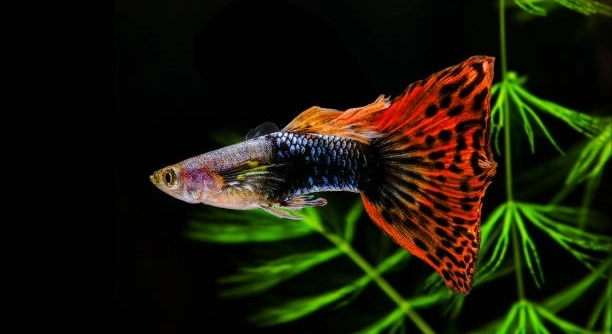
Guppies are popular aquarium fish known for their vibrant colors and playful nature. If you have guppies, you may find yourself wondering if one is expecting. Understanding pregnancy in guppies can help you care for them better.
A pregnant guppy shows several clear signs, including a swollen abdomen, a dark gravid spot near the tail, and behavioral changes. As they approach birth, you may notice them becoming more secluded and active, preparing for delivery.
Recognizing these signs can ensure the best care for your guppy during pregnancy. With the right information, you can manage your aquarium and help your guppy through this exciting time.
Swollen Abdomen
When a guppy is pregnant, one of the most noticeable signs is a swollen abdomen. As the pregnancy progresses, you will see her belly gradually expand. This is due to the developing fry inside her. The size of the abdomen will vary depending on how many fry she is carrying.
Guppies can become noticeably larger, and it’s a good idea to keep an eye on the changes. The abdomen should become rounder and more pronounced as the pregnancy continues. This is one of the easiest ways to tell if your guppy is expecting.
If you notice your guppy’s abdomen becoming significantly larger, it’s likely she’s pregnant. This can sometimes be tricky to spot, especially with smaller or younger guppies, but the roundness will increase as the days pass. It’s essential to prepare the aquarium for the fry, as they will need a safe environment to grow and thrive after birth. Keeping the water clean and maintaining good quality is crucial to supporting the health of both the guppy and the fry.
Gravid Spot
The gravid spot, located near the tail of a pregnant guppy, is another obvious sign. This spot darkens and enlarges as the pregnancy advances. It’s an area where the fry are developing.
As time goes on, this darkened spot becomes easier to see. The size and intensity of the color will vary depending on the guppy. Some may show a dark black or brown spot, while others might have a lighter one. This spot is often one of the first signs to show up when a guppy is pregnant.
This gravid spot is not just a visual cue; it indicates the internal development of the fry. As the guppy nears her due date, the gravid spot will become more pronounced, sometimes appearing almost black. This can help you predict when she might give birth. If you spot this sign, it’s a good idea to start preparing for the arrival of the fry by adding plants or a breeding box to your aquarium.
Behavior Changes
Pregnant guppies often exhibit changes in behavior. They may become more reclusive or restless. A pregnant guppy is likely to swim around the tank more, trying to find a place to hide. She may seek out hiding spots, such as plants or decorations, to feel more secure as she prepares for birth.
These changes in behavior can also include a noticeable reduction in appetite. The guppy may eat less or avoid food altogether as the pregnancy progresses. However, this can also be due to stress or discomfort from carrying the fry.
It’s essential to create a stress-free environment for your pregnant guppy. Offer plenty of hiding spaces and maintain stable water conditions to reduce anxiety. It’s normal for a pregnant guppy to become more active, but keeping her in a calm, secure environment is important for her well-being and the health of the fry.
Fry Movement
As the pregnancy nears its end, you may begin to notice tiny movements inside the guppy’s abdomen. These movements are a sign that the fry are getting ready to be born. You might be able to see the small bodies shifting around through her translucent skin.
This movement becomes more noticeable in the days leading up to birth. The fry will start moving more actively inside the mother, and this often signals that the delivery is approaching.
In addition to the visible movement, the mother guppy may exhibit even more restless behavior as she prepares for labor. It’s important to monitor her closely at this stage, as she may give birth at any time. Providing her with a peaceful, stress-free environment and an area for the fry to safely hide once born is crucial during this time.
Increased Appetite
A pregnant guppy may show an increase in appetite. As her body works harder to support the growing fry, she will likely eat more. This is a sign that her energy levels are being used up quickly and she needs more food to stay healthy.
She may eat more than usual and seem more eager to grab any food you offer. This could include both live and dry food, depending on her preferences. Ensure you’re providing a well-balanced diet, including a mix of proteins, vegetables, and quality fish food, to support her during this time.
Feeding your guppy with the right foods is important to keep her strong during pregnancy. However, be careful not to overfeed, as excess food can lead to water quality issues. Stick to small portions that she can consume in a few minutes to prevent waste. Keep the tank clean, and adjust feeding times based on her needs.
Seeking Solitude
Pregnant guppies often become more solitary as they approach labor. You may notice her spending more time alone, away from the rest of the fish in the tank. This behavior is natural, as she searches for a quiet, safe space to give birth.
Providing plenty of plants, rocks, or other hiding spots will help create a sense of security for her. She may swim in circles or hide behind decorations, avoiding the other fish in the tank. It’s important to respect this behavior and give her space to reduce any additional stress.
Having hiding places in the aquarium is essential to making her feel comfortable. If you have a breeding box, consider moving her into it as she gets closer to delivery. This will help prevent other fish from bothering her or, worse, eating the fry after birth.
Darkened Tail
As pregnancy progresses, the tail of the guppy may appear darker. This darkening occurs due to the increased blood flow and the developing fry inside her. The change can sometimes be subtle but becomes more noticeable as she gets closer to delivery.
The darkened tail is a visible sign that the pregnancy is progressing. This coloring effect may not happen with every guppy, but it’s common in many pregnant females. If you see this sign, it’s another indication that your guppy is nearing the end of her pregnancy.
Frequent Hiding
Pregnant guppies may hide more often as they approach labor. The instinct to seek a quiet and secure place becomes stronger, and they may stay hidden for longer periods. Providing plants or hiding spots can ease this behavior.
This is a good sign that she’s nearing the time to give birth. You may notice her darting into small crevices or behind decorations to find peace. Allow her the privacy she needs during this stage.
Active Swimming
Before giving birth, many pregnant guppies become more active in their swimming. They may move erratically or quickly swim around the tank. This behavior is often a sign that labor is imminent.
The guppy’s increased movement happens because she is getting ready to deliver her fry. It can be accompanied by a sudden burst of energy or restlessness.
FAQ
How long are guppies pregnant for?
Guppies have a relatively short gestation period, usually lasting between 21 to 30 days. This time can vary depending on factors like water temperature, the age of the guppy, and environmental conditions. Warmer water tends to speed up the process, while colder water may slow it down. Keep an eye on your guppy during the final week of pregnancy for the best chance of noticing the signs of labor.
How can I tell if my guppy is about to give birth?
In the days leading up to birth, your guppy will show increased signs of restlessness and activity. You might notice her hiding more often or swimming quickly around the tank. Her abdomen will appear very large, and the gravid spot near her tail will become dark and more prominent. You may also observe small movements from the fry inside her belly as they get ready to be born. Keep the tank environment calm to avoid stressing her out.
Should I separate a pregnant guppy?
It’s a good idea to separate a pregnant guppy if you’re concerned about the fry being eaten by other fish in the tank. A breeding box or separate space can give her the privacy she needs while preventing other tank mates from disturbing or eating the newborn fry. However, some people prefer to let their guppies give birth in the main tank and then catch the fry afterward. This can be more natural but requires careful attention to protect the young fish.
What should I feed a pregnant guppy?
Pregnant guppies need a well-balanced diet to support their growing fry. Offer a mix of high-quality fish food, including flakes, pellets, and live food such as brine shrimp. Protein-rich foods are especially important during pregnancy to help the guppy stay healthy and strong. Make sure to provide some plant-based food too, as guppies enjoy grazing on plant matter. Avoid overfeeding, as this can lead to water quality issues.
How many fry can a guppy have?
A pregnant guppy can have anywhere from 10 to 50 fry, depending on factors like her age, size, and health. Younger or smaller guppies typically have fewer fry, while older and larger guppies may give birth to more. The number of fry also varies based on the environmental conditions. If you’re not sure how many to expect, be prepared for a range and ensure your tank has plenty of hiding spots to keep the fry safe.
Can I keep guppy fry in the same tank as the adults?
While it’s possible to keep the fry in the same tank as the adults, there’s a significant risk that the adult fish may eat them. Guppies are known to consume their young, especially if they are hungry or stressed. To protect the fry, you can either move them to a breeding box or place them in a separate tank until they grow large enough to survive with the adults. If you decide to keep them together, make sure there are plenty of hiding places for the fry to seek refuge.
What do I do with the fry after birth?
Once the guppy has given birth, remove the mother from the breeding box or tank to prevent her from eating the fry. Make sure the fry have access to enough food and clean water. You can feed them finely crushed flakes, baby brine shrimp, or specially designed fry food. Keep an eye on their growth and watch for signs of illness, as fry are more vulnerable to poor water quality and stress. It’s important to monitor the fry closely until they are large enough to join the main tank.
How do I prevent my guppy from getting pregnant again?
To prevent your guppy from getting pregnant again, you’ll need to separate the males from the females. In a tank with both sexes, male guppies will actively pursue the females, and they can get pregnant again very soon after giving birth. If you have a mixed-gender tank, consider separating the males until you’re ready for another batch of fry. It’s also important to note that female guppies can store sperm from males and may become pregnant even if no males are present for a while.
How do I care for my guppy after she gives birth?
After giving birth, your guppy will need some time to recover. Make sure she has plenty of food to regain her strength. Continue providing high-quality food, including protein-rich options to help her heal. If she is in the main tank, make sure she has a quiet, stress-free environment to recover. Keep the water clean and monitor her for signs of illness or distress. Some guppies may also benefit from a water change to promote recovery after giving birth.
Is it normal for guppy fry to look different?
Yes, it is normal for guppy fry to look different from one another. The fry can have variations in color, size, and even patterns. Some might take after the mother’s color and markings, while others could look more like the father. As the fry grow, their colors will become more prominent, and their distinct markings will show more clearly. This genetic diversity is one of the charming aspects of guppy breeding.
Final Thoughts
Guppy pregnancies are relatively short, but they can be full of changes and challenges for both the mother and the owner. Recognizing the signs of pregnancy early on helps you prepare for the arrival of fry and gives you time to create a safe environment for them. Paying attention to physical changes like a swollen belly, darkened gravid spot, and increased activity can guide you through the process. These signs, along with behavior changes like increased appetite or seeking solitude, will help you anticipate when your guppy is nearing birth.
Once your guppy has given birth, it’s important to keep a close eye on the fry to ensure they thrive in the aquarium. If you choose to leave the fry in the main tank, providing plenty of hiding spots is essential. This can help protect them from the adult fish, which may see the fry as food. You can also move the fry to a separate tank or breeding box to give them the best chance of survival. Make sure to feed them the right kind of food, such as finely crushed flakes or baby brine shrimp, and maintain clean water for their growth.
Pregnant guppies need proper care and attention to ensure their health and the health of their fry. Offering a balanced diet, a stress-free environment, and a suitable tank setup will help both the mother and the babies. After birth, the mother guppy will need some time to recover, and giving her space and quality food will help her regain strength. The more you learn about their behaviors and needs, the better you’ll be at providing the right care for them during this exciting time.

Hello,
If you enjoy the content that we create, please consider saying a "Thank You!" by leaving a tip.
Every little bit helps us continue crafting quality advice that supports the health, happiness, and well-being of pets around the world, for pets of all shapes, sizes, and species.
We really appreciate the kindness and support that you show us!