
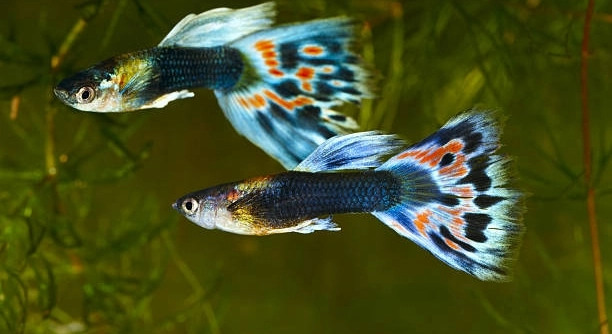
Guppies are popular aquarium fish known for their vibrant colors and lively behavior. However, they are sensitive to water temperature, and too much heat can cause health problems. Recognizing when your guppy is overheated is important to keep them healthy.
Overheating can cause stress to guppies, leading to lethargy, rapid breathing, or even death. It is crucial to monitor water temperature regularly and adjust it to ensure your guppy thrives in a comfortable, stable environment.
Learning the signs of overheating will help you take swift action and avoid any harm to your fish. With the right care, your guppies can continue to thrive in their aquatic home.
1. Rapid Breathing and Restlessness
When a guppy is overheated, one of the first signs you may notice is rapid breathing. Guppies naturally breathe through their gills, but in warmer water, they require more oxygen. Overheating leads to an increase in their respiration rate, causing them to appear restless or darting around the tank. This is a clear sign that your guppy is struggling to breathe comfortably. If left untreated, it could lead to further health complications.
If your guppy starts swimming erratically or stays near the surface gasping for air, it is a sign that the water temperature is too high. Water that is too warm decreases the oxygen levels, making it harder for them to breathe properly. This might not be noticeable at first but becomes more evident as the temperature increases.
Monitoring your guppies regularly and checking the temperature of the water can help prevent these issues. Ensure your aquarium is equipped with a reliable thermometer, and make adjustments to the temperature gradually to avoid shocking your fish. It is essential to maintain stable water conditions for their overall health.
2. Lack of Appetite and Reduced Activity
If your guppy isn’t eating or is staying in one place more than usual, the water temperature may be to blame. Overheating can cause them to feel lethargic and uninterested in food. They may not have the energy to actively swim around the tank.
Overheated guppies may lose their appetite or stop eating altogether. This is because high temperatures increase their metabolism, leading to stress and a reduced desire for food. They may seem slower, less responsive, and less interactive with their environment. In some cases, they may stop swimming and stay near the bottom of the tank, conserving energy.
To encourage your guppy to eat again, lower the temperature gradually and ensure they’re in a comfortable range. If the temperature is too high, the stress it causes can have long-lasting effects on your fish’s health. A healthy guppy should be actively swimming, eating, and engaging with its environment.
3. Faded or Dull Colors
An overheated guppy may lose its vibrant colors, turning pale or dull. Guppies are known for their bright, lively hues, and when they’re stressed by heat, these colors can fade. This is an early sign that the fish is struggling.
Temperature changes affect guppies’ ability to maintain their natural coloration. When the water is too warm, the stress can cause the pigments in their skin to fade. If your guppy appears pale or washed out, it’s a strong indicator that the temperature is not ideal. You may also notice that the fish is not as active, which compounds the issue.
A stable, moderate temperature will help bring back the vibrant colors of your guppy. If you notice this color change, act quickly to adjust the water temperature to a safe level. This will help restore the health and vibrancy of your guppy over time. Keep an eye on temperature fluctuations to avoid long-term stress.
4. Swimming Near the Surface or Inactive
Guppies are typically active swimmers, exploring all areas of the tank. When overheated, they may swim near the surface, gasping for air or staying in one spot. This behavior can indicate that the water is too warm.
When the water temperature is too high, the oxygen levels decrease, and guppies may instinctively move towards the surface to breathe more easily. The surface area of the water holds slightly more oxygen, and they often stay there to seek relief. If your guppy is spending excessive time near the surface, it’s a sign that the water temperature needs to be reduced.
To address this, monitor your tank’s water temperature and adjust as needed. Providing aeration or adjusting the filter can also help boost oxygen levels. These simple steps can reduce stress on your guppy and encourage it to return to its usual swimming habits.
5. Stress Marks or White Spots
When a guppy becomes overheated, it may develop stress marks or small white spots on its body. These marks are a clear indication that the fish is under significant stress, which could be caused by high water temperature.
Stress marks appear as dark or light patches, often around the fins or body. These spots are typically a sign that your guppy’s immune system is weakening due to heat. If left unaddressed, the fish may be more vulnerable to diseases. It’s crucial to act quickly and adjust the water temperature to reduce stress on your guppy.
The appearance of white spots could also signal the beginning stages of ich, a parasitic infection that thrives in warmer water. In such cases, lowering the temperature can help reduce the spread of this parasite and improve your fish’s chances of recovery.
6. Decreased Breeding Activity
Overheated guppies tend to become less active and may stop breeding altogether. A high water temperature can disrupt their natural reproductive cycles, causing them to avoid mating.
Guppies, like many fish, rely on stable water conditions to breed. When the water gets too warm, their metabolism speeds up, making them feel stressed and less likely to reproduce. Even if they do attempt to breed, the chances of successful fertilization and the health of the fry may be compromised. If you notice a decrease in breeding activity, the water temperature is likely playing a significant role.
To encourage breeding, ensure the water temperature stays within the ideal range, typically around 72-82°F (22-28°C). This will not only reduce stress but also create a more comfortable environment for your guppies to reproduce successfully.
7. Gasping for Air
Guppies that are overheated often gasp for air at the water’s surface. This is because higher temperatures reduce the oxygen levels in the water, causing them to struggle to get enough air.
If you notice your guppy repeatedly swimming to the surface or gulping for air, the water temperature might be too high. They may be trying to get more oxygen from the surface area, where the concentration is higher. It’s important to correct the temperature to avoid causing further stress or potential suffocation.
FAQ
How can I prevent my guppy from overheating?
To prevent your guppy from overheating, it’s important to regularly monitor the temperature of the water. Ensure the tank is located in a cool, shaded area and avoid placing it near direct sunlight or heat sources like radiators. A reliable aquarium thermometer is essential to keep track of the water temperature. If you’re using a heater, make sure it has a thermostat and is set to the proper temperature range for your guppy. Keeping the tank’s water temperature between 72-82°F (22-28°C) will help your guppy stay healthy and comfortable.
What is the best temperature for guppies?
The ideal water temperature for guppies is between 72°F and 82°F (22°C – 28°C). This range provides a stable environment that supports their natural behavior and metabolism. Temperatures above this range can cause stress and health issues, while temperatures below can slow down their activity and immune system. Maintaining a consistent temperature within this range will ensure your guppy remains active and vibrant.
Can guppies survive in cold water?
Guppies are tropical fish and prefer warmer water. They can survive in water that is slightly cooler, but anything below 65°F (18°C) can cause them stress. When exposed to cold water, their metabolism slows down, and they may become more susceptible to diseases. If the water temperature is consistently too cold, it can lead to death. It’s best to keep guppies in water between 72-82°F (22-28°C) for optimal health.
How can I tell if my guppy is too hot?
If your guppy is too hot, it may show signs such as rapid breathing, staying near the water’s surface, lethargy, or faded colors. You may also notice erratic swimming behavior or lack of appetite. Overheated guppies are often stressed and may develop white spots or stress marks on their body. Keeping an eye on their behavior and the tank’s temperature can help you identify if the water is too hot.
What should I do if my guppy is overheating?
If you notice your guppy is overheating, the first step is to lower the water temperature gradually. You can do this by turning off the aquarium heater or adding cooler water to the tank. Be careful not to change the temperature too quickly, as this can cause further stress. If your guppy is showing signs of heat-related stress, ensure the water is well-oxygenated by adding an air stone or increasing aeration. Keep monitoring the temperature and make sure it stays within the safe range.
Can overheating affect guppy fry?
Yes, overheating can be harmful to guppy fry. High temperatures can cause stress, disrupt their development, and even lead to death. Guppy fry are particularly sensitive to temperature changes, and warm water can cause them to grow faster than normal, which may lead to deformities or weakened immune systems. To ensure the health of the fry, it’s important to keep the water temperature stable and within the proper range.
Why is my guppy gasping for air at the surface?
Gasping for air at the surface often occurs when the water temperature is too high, causing a drop in oxygen levels. As the temperature rises, the oxygen in the water decreases, and guppies may struggle to get enough air. If your guppy is constantly near the surface, it’s important to check the water temperature and adjust it accordingly. Adding an air pump or increasing water movement can also help increase oxygen levels.
How can I safely lower the temperature of my aquarium?
To safely lower the temperature of your aquarium, avoid drastic changes. You can start by turning off the heater or cooling the water with fans or ice packs in the tank (be sure to wrap ice in a cloth to avoid shock). Gradually add cooler water to the tank in small amounts. It’s essential to monitor the temperature regularly with a thermometer and ensure it cools at a safe rate to prevent shocking your guppy.
Can high temperatures cause disease in guppies?
Yes, high temperatures can weaken a guppy’s immune system, making it more susceptible to diseases. When guppies are stressed due to excessive heat, they may have a reduced ability to fight off infections. Diseases like ich (white spot disease) are more common in warmer water. Keeping the tank temperature within the recommended range will help maintain your guppy’s immune health.
How often should I check the water temperature?
It’s a good practice to check the water temperature daily, especially if you notice any unusual behavior in your guppies. A consistent temperature helps prevent sudden stress on your fish. If you have a tank heater, consider using a thermometer with an alarm to notify you if the temperature fluctuates. If you’re in a particularly warm environment or during seasonal changes, checking the temperature more frequently might be necessary to ensure it stays stable.
Can water temperature affect guppy behavior?
Yes, water temperature directly affects guppy behavior. If the water is too warm, guppies may become more lethargic or swim near the surface to find more oxygen. Conversely, if the water is too cold, they may move slower and eat less. Temperature plays a huge role in the metabolism, activity, and overall health of your guppy. Keeping the temperature within the recommended range will encourage natural behaviors and active, happy fish.
Final Thoughts
Keeping your guppy’s environment stable is essential to their overall health and happiness. Temperature plays a big role in their well-being. Guppies thrive in temperatures between 72°F and 82°F (22°C – 28°C), and maintaining this range will help prevent overheating and other stress-related issues. If the water becomes too warm, it can lead to rapid breathing, a lack of appetite, and faded colors. It’s important to monitor the water temperature regularly and adjust it if needed, especially if you notice any of these signs.
Being aware of the warning signs of overheating, such as gasping for air at the surface or faded colors, will allow you to act quickly to help your guppy. If you see your guppy struggling, lower the temperature gradually and ensure good water circulation and oxygen levels. Remember, sudden changes in temperature can cause additional stress, so make adjustments carefully. Adding an air pump or increasing aeration can help with oxygenation, especially in warmer conditions. By creating a more stable and comfortable environment, you can help your guppy recover from stress and continue to thrive.
Taking care of the temperature is just one aspect of guppy care, but it’s a crucial one for keeping them healthy. A consistent, well-monitored tank environment not only ensures their physical health but also promotes a happy and active lifestyle. Make sure to check the temperature regularly, watch for signs of stress, and adjust the tank as needed. By doing so, you’ll create the best possible home for your guppy and prevent issues before they become serious.

Hello,
If you enjoy the content that we create, please consider saying a "Thank You!" by leaving a tip.
Every little bit helps us continue crafting quality advice that supports the health, happiness, and well-being of pets around the world, for pets of all shapes, sizes, and species.
We really appreciate the kindness and support that you show us!