
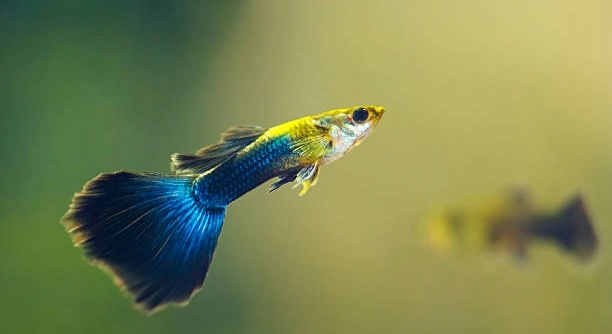
Is your guppy spending more time hiding than swimming or ignoring its food altogether? These small changes can be signs something isn’t right.
Guppies may not thrive due to poor water quality, inconsistent temperatures, overcrowding, improper diet, or untreated illnesses. Stressful conditions weaken their immune systems, leading to visible behavioral and physical changes that signal declining health and well-being.
Learning what to look for can help you act quickly and improve your guppy’s environment before it becomes too late.
Lack of Energy and Hiding More Often
When a guppy is not thriving, one of the earliest signs is a drop in energy. You may notice it hovering in one spot or hiding behind plants and decorations more than usual. Guppies are usually active swimmers that explore their tank throughout the day. If yours is staying in one place or avoiding the light, this could mean something is wrong. Environmental stress, poor water conditions, or internal illness can all impact how much energy your guppy has. Hiding is a natural behavior when they feel threatened or unwell, so it’s important to look at the overall tank setup and recent changes that could be affecting your guppy’s health.
This behavior is not always obvious at first, especially if your tank has several fish. Pay attention to patterns over a few days to spot real changes.
Consider testing the water, removing aggressive tankmates, or checking for illness if this persists.
Refusing to Eat
Skipping meals is another important signal that something isn’t right. Guppies have small appetites, but they still eat regularly if they feel well.
A guppy that stops eating may be reacting to poor water conditions, stress, or internal parasites. If it used to eat eagerly and suddenly loses interest in food, this should be taken seriously. Start by testing the tank’s ammonia, nitrite, nitrate, and pH levels. Even mild imbalances can affect a guppy’s appetite. Also, check the food itself—expired or inappropriate food may be rejected. If everything looks fine environmentally, monitor your guppy for signs of bloating, discoloration, or white stringy waste. These could point to a digestive problem or infection. Make sure the temperature is consistent, as cold water slows their metabolism and reduces appetite. In some cases, isolating the fish and offering a high-quality flake or frozen food can help encourage eating again. Acting early increases the chance of recovery.
Torn Fins or Discoloration
Fins that appear frayed, clamped, or torn can be signs of stress or illness. Discoloration, especially faded colors or dark spots, may also indicate poor water quality or internal issues affecting your guppy’s overall condition.
Torn fins often result from fin rot, bullying, or rough objects in the tank. If the damage seems to be getting worse, check for sharp decorations or aggressive tankmates. Clean water plays a key role in healing, so begin with a water change and monitor closely. Fin rot can be bacterial or fungal, so you may need to treat the water with an appropriate aquarium-safe medication. Discoloration is more general but just as concerning. Faded colors might reflect long-term stress, while red streaks or black patches could point to infections or ammonia burns. Acting quickly gives your guppy the best chance to recover before symptoms progress further.
Consistent water temperature, good filtration, and avoiding overcrowding all help prevent these problems. If your guppy’s color has dulled suddenly or its fins are shrinking or curling, something needs to change. Observe how the fish behaves and moves—if it struggles to swim or avoid other fish, that’s a strong indicator of underlying discomfort. Give it space to recover and reduce bright lighting if needed.
Labored Breathing or Gasping at the Surface
Heavy breathing or gasping is often linked to low oxygen or high ammonia levels in the tank. It can also result from gill infections, so quick action is important when you notice it happening.
Check your tank’s aeration and surface movement. A lack of oxygen usually causes fish to hover near the surface, especially near the filter output. Add an air stone if needed, and make sure your filter is running well. Also test for ammonia, nitrite, and nitrate—levels should be zero for the first two, and under 40ppm for nitrate. If water parameters are safe but the problem continues, look closer at the gills. Pale or inflamed gills can indicate parasitic or bacterial infections. Treatments vary, but some aquarium antibiotics are effective when used early. Try not to overfeed, as uneaten food decays and makes water quality worse. Good tank hygiene and regular maintenance go a long way in preventing breathing issues.
Floating Oddly or Sinking Too Much
When a guppy floats on its side, struggles to stay upright, or sinks to the bottom for long periods, it may have a swim bladder issue. This can be caused by overfeeding, constipation, or sudden temperature changes.
If your guppy floats vertically or swims with effort, try feeding it a skinned, cooked pea. This helps clear mild constipation. Avoid flakes for a few days and keep the tank warm and stable. Sudden temperature drops can make symptoms worse, so monitor the heater regularly to prevent unnecessary stress.
Aggression From or Toward Other Fish
Aggression in the tank can quickly stress a guppy. Whether it’s being nipped at or doing the chasing, this behavior can lead to injury and illness if ignored. Separate aggressive fish and make sure the tank has enough hiding spots to reduce tension.
Staying in One Spot for Long Periods
Remaining motionless near the bottom or hovering in one corner often signals that your guppy is unwell or uncomfortable. Check the water conditions first and watch for any other visible symptoms that could help identify the cause.
FAQ
What should I do if my guppy has torn fins?
If your guppy’s fins are torn, start by checking the water quality. Perform a water change to ensure ammonia or nitrite levels are low. Check the tank for sharp objects or aggressive tankmates that could be causing the damage. Consider using aquarium-safe medicine to prevent infections. If the fins are severely damaged, isolation may help. Ensure the water temperature is stable and avoid adding any new fish until the guppy recovers. With proper care, fins can regenerate, but this depends on the severity of the damage.
How do I treat a guppy with poor appetite?
If your guppy stops eating, first test the water parameters. Poor water conditions often lead to loss of appetite. Perform a water change if necessary. Try offering high-quality food, such as frozen brine shrimp or live daphnia, which might entice them to eat. Avoid overfeeding, as uneaten food can deteriorate water quality. If the guppy still refuses food after a few days, check for other signs of illness, such as bloating or discolored skin. A decrease in appetite could also indicate stress, illness, or water temperature issues.
Can I fix my guppy’s discoloration?
Discoloration in guppies can be caused by poor water quality, stress, or illness. First, check the water conditions, ensuring that ammonia, nitrites, and nitrates are at safe levels. A change in color could also be due to stress from aggressive tankmates or a sudden environmental change. If your guppy has dark spots or fading colors, it could also be a sign of a bacterial or parasitic infection. Try separating the affected fish and treating it with an appropriate medication. Consistent, stable water quality and avoiding sudden changes in temperature will also help maintain your guppy’s bright colors.
Why is my guppy breathing heavily at the surface?
If your guppy is gasping at the surface, it may be due to a lack of oxygen in the tank. Check the aeration system, ensuring the filter is working correctly and that the water surface is agitated. A lack of water movement can cause oxygen levels to drop. Another common cause is poor water quality, particularly high ammonia levels. Test the water, perform a water change if needed, and adjust the filtration system. If the problem persists despite good oxygen levels, your guppy may have a gill infection or another respiratory issue.
What could be causing my guppy to float oddly?
Guppies that float oddly or seem unable to swim properly may have a swim bladder disorder. This is commonly caused by overfeeding, constipation, or infections. Start by feeding your guppy cooked, skinned peas to help with constipation. Reduce the amount of food you give it for a few days. If your guppy continues to struggle with swimming, check for any signs of infection, such as bloating or difficulty moving. A swim bladder issue can also be caused by an environmental stressor, such as sudden temperature changes, so ensure your tank is stable.
How can I prevent my guppy from getting sick?
To prevent illness, maintain a clean tank and keep the water conditions stable. Regularly test the water for ammonia, nitrites, and nitrates, and make sure the pH is appropriate for guppies. Avoid overcrowding, as too many fish can cause stress and poor water quality. A consistent feeding schedule with high-quality food will help keep your guppy healthy. Regular water changes, proper filtration, and maintaining the correct temperature are essential to avoid diseases. Lastly, quarantine new fish for at least two weeks before introducing them to your tank.
Why is my guppy staying at the bottom of the tank?
If your guppy is spending a lot of time at the bottom of the tank, it could be a sign of stress, poor water quality, or illness. First, check the water parameters to ensure that ammonia, nitrite, and nitrate levels are safe. Low oxygen levels or fluctuating water temperatures can also cause a guppy to stay near the bottom. If no water issues are present, look for other signs, such as discolored or clamped fins, which may indicate disease. Illnesses like swim bladder disorder or internal parasites can cause unusual behavior like staying at the bottom.
How can I tell if my guppy is stressed?
Stressed guppies may exhibit several behaviors, including erratic swimming, hiding, or staying at the bottom of the tank. Stress can be caused by poor water quality, overcrowding, aggressive tankmates, or sudden changes in the environment. If your guppy is constantly hiding or swimming in circles, these are signs that it may be stressed. Provide plenty of hiding spots and maintain stable water conditions to reduce stress. If the behavior persists, consider isolating the stressed fish until you can identify and correct the problem.
Can I help my guppy recover from a swim bladder disorder?
Yes, many guppies recover from swim bladder disorders, especially if the condition is caused by overfeeding or constipation. Reduce the amount of food and feed your guppy cooked, skinned peas to help relieve constipation. If the issue is more severe or caused by an infection, you may need to treat the tank with antibiotics or other medications. Keep the water temperature stable and monitor the guppy closely for any signs of improvement or further decline. In severe cases, you may need to isolate the guppy to give it a better chance of recovery.
What should I do if my guppy is not moving much?
If your guppy is not moving much, it may be suffering from stress, illness, or poor water conditions. Begin by checking the water quality—ensure the levels of ammonia, nitrites, and nitrates are safe. Also, check the water temperature to make sure it is stable. If everything seems normal, observe your guppy for any physical changes like bloating, discoloration, or torn fins, which can signal illness. In some cases, simply reducing stress and improving the water quality may help your guppy become more active again.
Final Thoughts
Taking care of a guppy involves understanding its needs and recognizing signs that something might be wrong. As with any pet, maintaining a clean and stable environment is key to ensuring your guppy thrives. Regular water changes, proper filtration, and monitoring water quality can prevent many issues from arising. By keeping a close eye on your guppy’s behavior and appearance, you’ll be able to spot early signs of stress or illness, which can often be addressed before they become more serious problems.
Providing a balanced diet, avoiding overfeeding, and offering a tank with plenty of space and hiding spots can help minimize stress for your guppy. If you notice that your guppy is behaving unusually—whether it’s floating strangely, staying at the bottom of the tank, or refusing to eat—it’s essential to investigate the cause. Many issues, such as swim bladder disorder or poor water quality, can be corrected with simple adjustments. However, more serious conditions may require medication or isolation from other fish to prevent the spread of disease.
In the end, the health and happiness of your guppy depend on the care and attention you provide. Taking proactive steps to maintain a healthy tank environment, addressing any issues promptly, and understanding common guppy health problems will help your fish live a long, happy life. While guppies are hardy and relatively easy to care for, regular monitoring and quick action when problems arise are key to their well-being. By following these guidelines, you’ll be equipped to provide the best care for your guppy, ensuring it remains active and vibrant for years to come.

Hello,
If you enjoy the content that we create, please consider saying a "Thank You!" by leaving a tip.
Every little bit helps us continue crafting quality advice that supports the health, happiness, and well-being of pets around the world, for pets of all shapes, sizes, and species.
We really appreciate the kindness and support that you show us!