
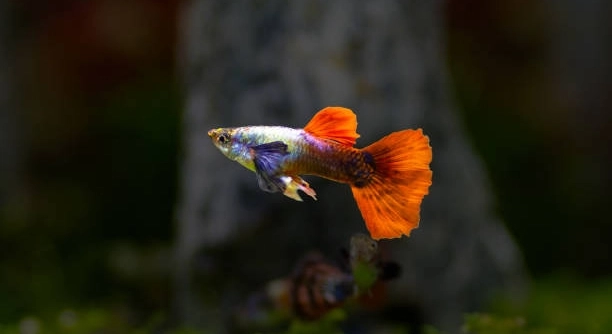
Guppies are small, colorful fish that can be a joy to have in your aquarium. However, like any pet, they can experience changes in behavior when something isn’t quite right. It’s important to recognize the signs that your guppy may not be feeling happy.
The simplest signs that your guppy is not happy often involve changes in their behavior, such as lethargy, loss of appetite, or abnormal swimming patterns. These signs can indicate poor water quality, stress, or health issues.
Understanding what could be affecting your guppy’s mood will help you care for them properly. By recognizing the signs early, you can make the necessary adjustments to keep your guppy happy and healthy.
Lack of Appetite
When a guppy stops eating, it’s often a sign that something isn’t right. If your guppy suddenly loses interest in food, it could be caused by poor water quality or stress. Sometimes, water temperature fluctuations or sudden changes in the environment can lead to this behavior. Guppies are active feeders, so a loss of appetite should raise some concerns.
If you’ve checked the water parameters and found nothing unusual, consider the possibility of an illness. Common guppy diseases such as fin rot or parasites can affect their appetite. Keep a close eye on their swimming behavior and physical appearance for any other symptoms.
A stressed or sick guppy might also refuse food, making it harder to restore their health. Be sure to observe if they’re hiding or isolating themselves, which could indicate they’re feeling unwell. Properly adjusting water conditions or seeking treatment for illness may help your guppy regain its appetite quickly.
Changes in Behavior
Changes in swimming behavior can also point to an unhappy guppy. If your guppy is swimming erratically or staying near the tank’s surface, it’s worth investigating further. Often, this behavior is linked to poor water quality or an unsuitable tank environment.
Guppies are active and playful fish, so any deviation from their normal swimming patterns should be addressed. They may try to escape a stressful situation by swimming near the surface or hiding in plants. Ensure your tank has proper filtration and water parameters to keep your guppy at ease.
Loss of Color
If your guppy’s colors start fading, it’s a clear sign something is wrong. This could be due to stress, poor water quality, or a lack of proper nutrition. Healthy guppies are known for their vibrant, bright colors, so any dullness should be noticed right away.
Stress caused by an overcrowded tank, incompatible tank mates, or sudden changes in water temperature can lead to color loss. Inadequate lighting or a lack of essential nutrients like vitamins and minerals can also have a similar effect. Ensure that your guppy is receiving a balanced diet and that its environment is stable.
Monitor the water temperature and quality closely. A drop in temperature or fluctuation in pH levels can be enough to stress your guppy, affecting its appearance. Regular water changes and a stable tank environment will help keep your guppy’s colors bright and vibrant.
Swollen Belly
A swollen belly in a guppy can indicate a few things, from overfeeding to more serious health issues like internal parasites or constipation. It’s essential to examine your guppy carefully for other signs that could point to the cause.
Overfeeding is a common cause of bloating. Guppies have small stomachs, and feeding them too much can cause their bellies to swell. Ensure you are feeding them the appropriate amount of food. However, if the swelling persists, it could be a sign of internal issues such as constipation or parasites.
If you suspect constipation, try feeding your guppy blanched peas, which are known to help with digestive problems. If the swelling continues, or you notice any other unusual behavior, consult a vet to rule out any serious infections or diseases.
Lethargy
If your guppy is swimming slowly or staying at the bottom of the tank, it may be feeling unwell. Guppies are usually active and curious, so lethargy is often a sign of stress or illness.
Check the water quality first. Poor water conditions can make your guppy sluggish. If everything seems fine, consider whether your guppy has been exposed to any sudden temperature changes or if it is not eating. Any of these factors can make them feel weak.
Fins Clamped Close to Body
Clamped fins are another indicator that something is wrong with your guppy. When a guppy is stressed or sick, it may pull its fins close to its body.
This can be caused by high ammonia levels in the tank or an infection. If you notice this behavior, check the water parameters immediately. Also, observe if your guppy is showing signs of fin rot or other diseases. A water change and proper treatment may help restore their health.
Rapid Breathing
A guppy that is breathing quickly or gasping for air is a serious sign that it may be struggling. This could be due to poor water quality or an infection affecting their gills.
Make sure the tank is well-ventilated and that oxygen levels are adequate. Sometimes, excessive waste or inadequate filtration can cause oxygen depletion. If your guppy’s breathing remains rapid even after addressing the water conditions, it may be time for a vet consultation to rule out any underlying health issues.
FAQ
How can I tell if my guppy is stressed?
A stressed guppy may display various signs such as erratic swimming, hiding more than usual, or swimming near the surface of the water. They might also stop eating, or their colors could fade. Stress in guppies is commonly caused by poor water conditions, overcrowding, or incompatible tank mates. Keep an eye on their behavior and adjust the tank environment if needed.
Why is my guppy swimming upside down?
If your guppy is swimming upside down, this could indicate a problem with their swim bladder. The swim bladder helps them maintain buoyancy, and issues with it can cause the fish to lose control of their swimming. This problem could stem from an infection, overfeeding, or a water quality issue. If the issue persists, seek professional help to diagnose the problem.
What do I do if my guppy has fin rot?
Fin rot is often caused by poor water quality or bacterial infections. The first step is to improve water conditions by changing the water and using a good filter. You may need to treat the fish with an antibacterial medication to stop the infection. In severe cases, trimming the affected fins may be necessary to prevent further damage. Always ensure your tank is properly maintained to avoid future occurrences.
How do I treat a constipated guppy?
If your guppy is constipated, it might have a bloated belly and be less active. A simple home remedy is to feed them blanched peas. Peas can help with digestion and clear up constipation. You should also avoid overfeeding, as too much food can lead to digestive issues. If the condition doesn’t improve, consult a vet for further treatment.
Can guppies live with other fish?
Yes, guppies are peaceful fish that can generally live with other species, but it’s essential to choose compatible tank mates. Avoid aggressive fish that may nip at their fins. Good tank mates include tetras, mollies, and other peaceful species that share similar water conditions. Make sure the tank is not overcrowded to prevent stress.
What are the signs of a sick guppy?
A sick guppy may display various signs such as loss of appetite, lethargy, clamped fins, or faded colors. They may also swim erratically or isolate themselves from other fish. If you notice any of these symptoms, it’s essential to check the water conditions and consider if any illnesses might be present. A visit to the vet might be necessary for accurate diagnosis and treatment.
How often should I clean my guppy tank?
Cleaning your guppy tank should be done regularly to maintain good water quality. Perform partial water changes every 1-2 weeks, depending on tank size and number of fish. You should also clean the filter, remove uneaten food, and vacuum the substrate to prevent waste buildup. Regular cleaning helps avoid health problems for your guppies.
What temperature should the water be for guppies?
Guppies thrive in water that is between 72°F and 82°F (22°C – 28°C). It’s important to maintain a consistent temperature within this range, as fluctuations can stress your fish. Use a reliable aquarium heater and thermometer to ensure the water remains stable. If the water is too cold or too hot, it can affect your guppy’s health and behavior.
Why is my guppy always at the top of the tank?
If your guppy is consistently staying at the top of the tank, it could be due to poor water quality, oxygen depletion, or the need for more oxygen. Check if the water parameters are within the safe range for guppies and ensure the tank is well-oxygenated. Installing an air stone or increasing filtration can help if oxygen levels are low.
How can I improve my guppy’s color?
To help your guppy maintain bright colors, ensure they are eating a well-balanced diet rich in vitamins, minerals, and proteins. High-quality flakes, pellets, and live or frozen foods like brine shrimp and bloodworms can improve their color. Additionally, keeping the tank clean and ensuring proper lighting can help keep your guppy’s colors vibrant. Stress can also cause color fading, so maintaining a calm and healthy environment is crucial.
Final Thoughts
Taking care of a guppy requires attention to detail and an understanding of their needs. These small fish can bring a lot of joy, but they rely on a stable and clean environment to stay healthy and happy. It’s essential to regularly check water quality, feed them appropriately, and ensure their tank has the right temperature. Any signs of stress, illness, or changes in behavior should be addressed immediately to prevent further complications.
One of the key aspects of guppy care is maintaining good water conditions. This means doing regular water changes, using a proper filtration system, and monitoring factors like pH levels, ammonia, nitrites, and nitrates. Keeping these balanced is crucial for your guppy’s health. The right environment will not only help prevent diseases but also improve their overall behavior and coloration. A clean tank, proper lighting, and compatible tank mates also play a big role in keeping your guppy content.
Finally, if you notice any unusual behavior or health problems with your guppy, act quickly. Early intervention can make a significant difference in their recovery. Whether it’s adjusting the water conditions, treating an illness, or changing their diet, addressing issues early will help your guppy thrive. With the right care, your guppy can live a long and healthy life, bringing color and activity to your aquarium.

Hello,
If you enjoy the content that we create, please consider saying a "Thank You!" by leaving a tip.
Every little bit helps us continue crafting quality advice that supports the health, happiness, and well-being of pets around the world, for pets of all shapes, sizes, and species.
We really appreciate the kindness and support that you show us!