
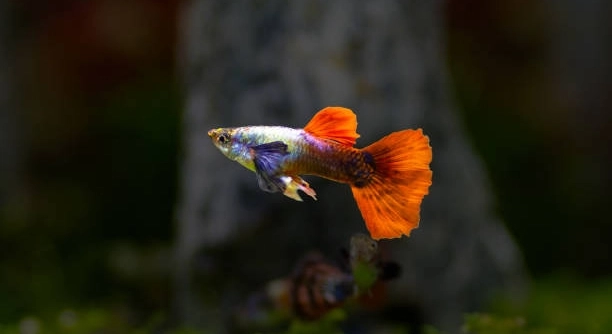
As guppies age, they may show signs that are subtle but important to notice. Understanding these signs can help you ensure their health and well-being throughout their life stages. Watch for these key indicators of aging.
Guppies typically show signs of aging through changes in behavior, appearance, and health. These include slower swimming, faded coloration, reduced fin movement, and possible changes in appetite. Monitoring these changes can provide insight into your guppy’s age and health status.
By recognizing these signs, you can take the necessary steps to improve your guppy’s quality of life and provide the best care possible.
Slower Swimming Patterns
As guppies age, you may notice a decrease in their swimming speed. Older guppies tend to swim slower and spend more time resting. This can be a natural part of their aging process as their energy levels decrease. If you observe this change, it’s a sign that they may be getting older.
It’s important to monitor their behavior and ensure they’re not experiencing any discomfort or stress. Aging guppies might also have trouble keeping up with faster, younger fish in the tank.
To help support your aging guppy, make sure the water conditions are optimal and that the tank isn’t too crowded. Providing plenty of hiding spaces or plants for them to rest near can help ease their discomfort. If their slower swimming becomes more pronounced, it’s best to adjust their environment to match their needs.
Fading Colors
As guppies age, their vibrant colors often begin to fade. A once bright and colorful fish may look more dull or washed out. This fading can be due to a decline in their overall health and vitality.
Older guppies might also have less intense coloration as they reach the later stages of life. However, the fading can sometimes signal that something else is affecting their well-being, like changes in diet or water quality. To keep them healthy, focus on providing a balanced diet and maintaining clean water. Guppies are sensitive to water conditions, and poor water quality can further stress an aging fish.
While some color fading is inevitable, offering a high-quality diet with foods rich in nutrients can help your guppy maintain its vibrancy for longer. Also, ensure your tank has the right water temperature and filtration to support their health as they age.
Reduced Appetite
Older guppies often show a decrease in appetite. This can be noticeable if they begin eating less or ignoring their food altogether. Reduced hunger is normal as they age but could also indicate health issues.
If your guppy isn’t eating as much, it’s important to examine the water quality, temperature, and their overall environment. Stress from poor conditions can reduce their appetite, so ensure that the water is clean, and the tank is properly maintained. A high-quality, varied diet can also help encourage eating.
Sometimes, aging guppies may prefer softer or smaller food particles, so adjusting the food size or texture might help. Also, be patient with them and avoid overfeeding, as it can lead to water quality problems. Regularly check the water parameters and make any necessary adjustments to keep your guppy comfortable.
Declining Fin Movement
As guppies get older, they may begin to show less movement in their fins. This change can be subtle at first but becomes more noticeable as they age. Reduced fin movement can affect their ability to swim as gracefully.
Guppies rely on their fins for proper swimming and balance. When they start using them less, it can be due to weakened muscles or stiffness. This can make them appear more sluggish or unable to keep up with other fish in the tank. Regularly check the tank for signs of stress or poor water quality, as these factors can worsen fin movement.
To improve their comfort, consider providing areas of the tank where your guppy can rest, such as plants or decorations. Also, be mindful of tank mates. Older guppies may find it harder to compete with younger, faster fish for space and food. Adjusting their environment can help them feel more secure and comfortable.
Decreased Social Behavior
Older guppies tend to become less social as they age. They may retreat from the group, spending more time alone or hiding in quieter areas of the tank. This change in behavior can be a sign of aging or a result of feeling less energetic.
While this behavior is often linked to aging, it can also be a response to stress. Guppies may avoid social interaction if they’re feeling unwell or if there are too many tank mates competing for space. Keeping the tank environment calm and stable will help them feel more secure.
Changes in Body Shape
As guppies age, you may notice subtle changes in their body shape. Their once sleek, streamlined form can become a bit less defined or appear slightly bloated. These changes are often due to aging, but health problems can also contribute.
If the bloating appears sudden or extreme, it could be a sign of illness, such as dropsy or internal parasites. Always monitor for other symptoms like swelling, lethargy, or difficulty swimming. Early intervention can help prevent further health issues.
Reduced Lifespan
Guppies generally live for 2 to 3 years, and as they reach the end of their lifespan, you may notice several signs of aging. While this can be difficult, it’s a natural part of their life cycle.
Understanding these signs allows you to provide comfort during their final months. Proper water conditions, a balanced diet, and a peaceful tank environment can help your aging guppy remain comfortable and stress-free. Although their activity levels and behaviors may change, providing care during their final stages can make a difference.
FAQ
How can I tell if my guppy is getting old?
Aging guppies typically show signs such as slower swimming, fading colors, reduced appetite, and decreased fin movement. These changes become more noticeable over time. You may also see your guppy becoming more reclusive and less social with other fish. It’s important to observe their overall behavior and any physical changes to determine if they are aging.
Should I change the diet of my aging guppy?
Yes, adjusting the diet for an aging guppy can be beneficial. Older guppies may have trouble eating larger food particles or harder foods. Offer them smaller, softer food, or finely crushed flakes to ensure they are getting the nutrients they need. Additionally, high-quality food with added vitamins and minerals can help support their health during this stage.
Can I help my aging guppy feel more comfortable?
Absolutely. Maintaining a stable and clean tank environment is essential for an aging guppy. Ensure the water quality is good, with proper filtration and temperature regulation. Adding plants or decorations where they can rest may reduce stress. Avoid overcrowding the tank, as older fish might feel overwhelmed in a busy environment.
What water conditions are best for aging guppies?
Aging guppies are particularly sensitive to changes in water conditions. The water should be clean, with a consistent temperature of around 72-78°F (22-26°C). Ensure that the pH is between 6.8 and 7.8 and that ammonia and nitrite levels are at zero. Regular water changes are crucial to prevent the buildup of toxins.
Should I separate an older guppy from the rest of the fish?
It depends on the situation. If your older guppy is being harassed by younger, more active fish, it may benefit from some alone time in a quieter, separate tank. However, if they are still social and healthy, they can stay in the main tank with appropriate tank mates. Monitor their behavior and adjust accordingly.
Is it normal for my guppy to become more lethargic as it ages?
Yes, it’s normal for older guppies to become less active and more lethargic. As they age, their energy levels naturally decrease, and they may spend more time resting. However, if lethargy is accompanied by other signs of illness, such as bloating or abnormal behavior, it may indicate a health issue.
Can I extend my guppy’s lifespan?
While you can’t prevent aging, providing excellent care can help your guppy live a healthier life for longer. Maintain good water quality, provide a balanced diet, and ensure a stress-free environment. Reducing overcrowding and offering a tank that mimics their natural habitat can also support their well-being as they age.
What are common health issues in aging guppies?
As guppies age, they can become more susceptible to a range of health problems, such as fin rot, dropsy, or internal parasites. It’s important to regularly check for any signs of illness, including swelling, unusual swimming patterns, or abnormal coloration. Early detection can help manage and treat these conditions.
How do I know if my guppy is in pain?
Older guppies may show signs of discomfort if they are in pain. Look for behaviors such as erratic swimming, rubbing against objects, or hiding more often. If these signs are accompanied by swelling, discoloration, or lethargy, it could indicate an underlying health issue. It’s crucial to monitor their condition and consult a vet if necessary.
Can guppies live with other fish as they get older?
Yes, guppies can live with other fish as they get older, but you need to consider the temperament and activity levels of the other tank mates. More active or aggressive fish may stress out an aging guppy. It’s best to house them with peaceful, slow-moving fish to avoid unnecessary stress.
How can I keep my aging guppy from getting stressed?
Stress can negatively affect the health of an aging guppy. To keep stress at bay, maintain a clean and stable tank environment with optimal water conditions. Avoid sudden changes in temperature or water chemistry. Make sure the tank isn’t overcrowded, and provide plenty of hiding spots for your guppy to retreat to when needed.
Are there any specific tank setups for aging guppies?
For aging guppies, a well-maintained tank with plenty of hiding spots, such as plants or rocks, can provide comfort. Ensure the tank is not too large or crowded, as older guppies may feel overwhelmed. A tank with a moderate flow and soft substrate can make it easier for them to navigate.
Can I breed my older guppy?
Breeding is typically more difficult for older guppies. Their fertility decreases as they age, and pregnancy may be more stressful for them. If you want to breed your guppy, consider doing so while they are still younger. If breeding occurs with an older guppy, ensure the tank environment is peaceful and stress-free.
What should I do if my aging guppy isn’t eating?
If your aging guppy isn’t eating, first check the water conditions. Poor water quality can reduce appetite. Make sure the temperature, pH, and filtration are correct. If conditions are fine and they still aren’t eating, try offering different types of food or smaller pieces. If there’s still no improvement, consult a vet.
Can aging guppies still breed?
While it’s not impossible, aging guppies may have reduced fertility. Older females, in particular, tend to have fewer pregnancies, and males may not show as much interest in breeding. It’s important to ensure their health is optimal before considering breeding in older guppies.
Final Thoughts
As your guppy gets older, it’s important to observe any changes in behavior, physical condition, and overall health. Aging guppies may slow down, have less social interaction, and show changes in their appearance. These signs are normal as they age, but it’s crucial to pay attention to ensure they are still healthy and comfortable. Regularly monitoring their behavior and water conditions can help you address any concerns early. By providing the right care, you can ensure your guppy enjoys a peaceful and comfortable life during its later years.
Guppies may have a shorter lifespan than some other fish, but that doesn’t mean they don’t deserve quality care throughout their life. Maintaining proper water quality, offering a balanced diet, and reducing stress are essential parts of keeping your guppy healthy, especially as it ages. If your guppy shows signs of illness or discomfort, it’s important to address those issues promptly. Even with aging, a calm and stable tank environment can greatly enhance your guppy’s well-being. Remember, a few simple adjustments can make a big difference in your guppy’s quality of life.
While the aging process can bring challenges, it also provides an opportunity to care for your guppy in a more focused and loving way. Be patient and understanding, as older guppies may need extra attention, but they can still live happy, comfortable lives. With the right environment and care, your aging guppy can continue to thrive. As difficult as it might be to see them slow down, providing the best care possible will help you ensure their final years are filled with comfort and peace.

Hello,
If you enjoy the content that we create, please consider saying a "Thank You!" by leaving a tip.
Every little bit helps us continue crafting quality advice that supports the health, happiness, and well-being of pets around the world, for pets of all shapes, sizes, and species.
We really appreciate the kindness and support that you show us!