
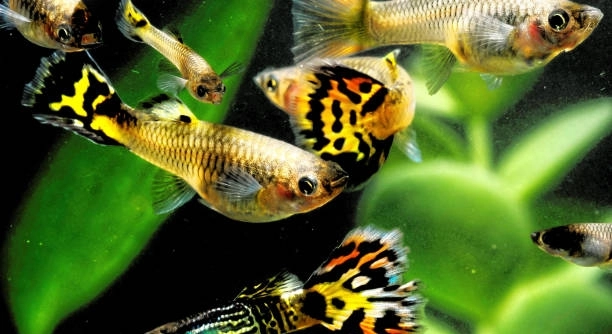
Is your guppy acting a little different than usual, maybe hiding more or swimming less? You’re not alone in noticing these changes. Many guppy owners find themselves wondering what’s causing this sudden behavior shift.
Guppies can experience stress due to changes in water quality, aggressive tank mates, poor diet, or a lack of hiding spots. Recognizing early signs like clamped fins, erratic swimming, or loss of color can help prevent serious health issues.
By learning what signs to look for, you can make your guppy’s tank a safer and more comfortable space for them to thrive.
Sign 1: Clamped Fins
When a guppy is feeling stressed, one of the first things you might notice is that its fins are clamped tightly against its body. This means the fins aren’t fanned out like usual. Instead, they look folded or held close, and the guppy may not be swimming with its usual energy. Clamped fins are often a sign of discomfort and can show up when the water conditions aren’t right or when the guppy is feeling threatened by other fish. It’s not a behavior to ignore. Even though it might seem small, it can be an early signal that something’s off. Checking the water temperature, ammonia levels, and overall tank cleanliness is a good place to start. These changes in behavior are their way of communicating. The sooner you notice this, the easier it is to adjust their environment and help them feel better.
Clamped fins often appear when something in the tank causes discomfort or tension, such as poor water quality, overcrowding, or aggressive tank mates.
If your guppy’s fins remain clamped for more than a day or two, take time to inspect the tank conditions. Watch how other fish behave around it. Reducing stress quickly helps prevent long-term health problems from developing.
Sign 2: Loss of Appetite
A stressed guppy may stop eating, or eat far less than normal. This can lead to weakness and a weakened immune system.
Food refusal is one of the more noticeable signs of stress. Guppies are usually eager eaters, so when they start ignoring food, it’s often because they are not feeling secure or healthy. This could happen due to a sudden change in water parameters, an illness, or a stressful tank environment. Look out for leftover food after feeding time—if the guppy is letting it sink or float past, there’s likely something wrong. Make sure to remove uneaten food, as it can make the water quality worse. Try offering different food types too, like frozen or live options. If there’s still no response, consider testing the water for ammonia, nitrite, and nitrate levels. Also, observe whether the guppy is being chased or bullied by others in the tank. Addressing the source of stress early can restore a healthy appetite and overall wellbeing.
Sign 3: Hiding More Than Usual
A stressed guppy might start hiding more often, staying behind plants, decorations, or in corners. This change in behavior is usually a way for the guppy to avoid something it finds uncomfortable or threatening in its environment.
When guppies hide for long periods, it’s often because they feel unsafe. They could be reacting to sudden changes in the tank, like new fish being added, rearranged decorations, or even loud noises around the aquarium. Poor lighting or a tank that’s too bare can also make them feel exposed and uneasy. Try creating more hiding spots using plants or caves. Avoid overcrowding the tank or adding too many aggressive species. If hiding is paired with other signs like clamped fins or appetite loss, stress is likely the reason. Making a few calm adjustments can often bring them back out into the open.
Consistent hiding behavior can also suggest there’s something wrong with the water quality. High levels of toxins like ammonia or nitrites can make guppies feel sick or sluggish. Always test the water regularly, especially after cleaning or adding new fish. Adjust pH, temperature, and hardness levels to match what guppies need. When the tank conditions are stable and quiet, they feel safer and more comfortable exploring again.
Sign 4: Rapid Gill Movement
You may notice your guppy’s gills moving faster than usual, even when it’s not swimming much. Rapid breathing is a common sign of stress, often linked to poor water conditions or a lack of oxygen in the tank.
Guppies breathe through their gills by pulling oxygen from the water, so if their gills are moving quickly, something is making that harder. Check if the water is too warm or if there’s low oxygen. Warmer water holds less oxygen, so even a slight increase in temperature can cause stress. Adding an air stone or improving filtration can help boost oxygen levels. Also, test for ammonia and nitrites—these can damage the gills and make breathing difficult. A guppy may also breathe fast if it’s scared by sudden changes, like rearranging the tank or a sudden light being turned on. Slow changes and consistent care go a long way in keeping them calm.
Sign 5: Erratic Swimming
Erratic swimming can look like sudden darting, swimming in circles, or twisting motions. These movements are not playful—they often signal discomfort or confusion, sometimes caused by stress or irritation from the water.
If this behavior continues, it might mean the guppy is reacting to high toxin levels or sharp temperature changes.
Sign 6: Faded Color
When a guppy is under stress, its vibrant colors can become dull or patchy. This fading is often due to poor water quality, fear, or illness. Healthy guppies usually have bright, consistent coloring. If you notice the colors fading suddenly, it’s likely something in their environment has changed. Stress from aggressive tank mates or frequent tank rearrangement can also lead to color loss. Make sure the tank conditions stay stable and clean. Avoid sudden changes and keep a peaceful environment. Restoring proper care usually helps their color return over time, but if it doesn’t, it may be worth checking for disease.
Sign 7: Staying Near the Surface
Spending too much time near the surface is usually a sign that the guppy is struggling to get enough oxygen. This behavior often appears when the tank lacks proper aeration or has high ammonia levels.
FAQ
What are the most common causes of stress in guppies?
The most common causes include poor water quality, sudden temperature changes, aggressive tank mates, overcrowding, and lack of hiding spaces. Guppies are sensitive to their environment, so even small shifts can affect them. High ammonia or nitrite levels, inconsistent pH, or noisy surroundings can also be stressful. Keeping water conditions stable and avoiding overcrowded tanks helps reduce stress. Use a good filter, test your water regularly, and make sure guppies have enough space. Also, avoid tapping on the glass or making frequent changes to decorations, as that can startle them.
How can I tell the difference between stress and illness?
Stress and illness can look similar, but there are key differences. Stress usually comes with behavior changes like hiding, clamped fins, or loss of appetite. Illness often includes physical signs like white spots, bloating, fin rot, or fuzzy patches. If a guppy is breathing fast but still swimming normally, it might be stress. But if it also has visible marks or damage on its body, illness could be the issue. Watch your guppy closely. If behavior doesn’t improve after fixing tank conditions, a deeper health problem might be present. Quarantine and treat if needed.
Can guppies die from stress?
Yes, guppies can die from stress if it’s ongoing and not resolved. Constant stress weakens their immune system, making them more likely to get sick. Even if they don’t show signs right away, stress can lead to illness over time. For example, stressed guppies might develop infections or parasites that they would normally fight off. That’s why it’s important to act fast when signs of stress appear. A clean, peaceful tank can make a big difference in preventing these problems. Small changes matter, and early action often helps them recover.
How long does it take a guppy to recover from stress?
Recovery time depends on the cause and how quickly it’s addressed. Minor stress may pass within a day or two once conditions improve. More severe stress might take a week or longer. If the guppy is still eating and swimming around, it usually recovers faster. But if it’s not active, hides often, or skips meals, it may need extra care. Keep the water clean, avoid sudden changes, and try to lower noise or light near the tank. Patience is key. With gentle, steady care, guppies often bounce back.
Do guppies need hiding spots?
Yes, hiding spots are very helpful. Even though guppies are active, they still like to have safe spaces to rest. Hiding places help reduce stress by letting them escape from bright lights or aggressive fish. Plants, caves, or even decorations like tunnels work well. Make sure there are a few spots around the tank where a guppy can slip away if needed. It doesn’t have to be fancy—just enough to give them some peace when they want it. This is especially important if the tank has more than one fish species.
Should I separate a stressed guppy from others?
Sometimes, yes. If a guppy is being bullied or if others are showing aggressive behavior, separating it can help. Use a divider or move it to a smaller tank temporarily. This gives it a break from the stress and lets you observe it closely. However, if the stress is from water issues or tank changes, it’s better to fix the main tank environment instead of moving the guppy around. Moving too often can also cause stress, so do it only when necessary.
Can tank mates cause stress for guppies?
Yes, some tank mates can make guppies feel stressed, especially if they are larger or more aggressive. Guppies are peaceful and do best with other calm fish. Avoid mixing them with fish that nip fins or chase them. Even fast-swimming fish can cause anxiety if they crowd the space. When choosing tank mates, look for gentle species that won’t compete too hard for food or territory. If you notice your guppies acting differently after adding new fish, it’s worth watching their interactions closely. Sometimes removing a single aggressive fish can fix the problem.
Final Thoughts
Caring for guppies can be simple, but it does take attention. These small fish rely on a stable, clean environment to stay happy and healthy. When things in the tank change too fast or when the water quality drops, guppies may show signs of stress. Clamped fins, faded color, hiding, and not eating are all ways they try to tell you something is wrong. It’s important to look out for these signs early, so you can step in and make things better. Even small changes in behavior can be a warning that something in their space is causing them discomfort.
Taking care of a guppy is more than just feeding it. Water temperature, filtration, tank mates, and the size of the tank all matter. Guppies do best in calm, well-maintained tanks with room to swim and places to rest. If you notice changes, check the basics first: test the water, clean the tank, and see how the other fish are acting. Try not to make too many changes at once. Keeping the tank routine steady helps them feel safe. Sometimes, it’s not just one problem but a mix of small things adding up. Watching them closely helps you spot those patterns.
Stress in guppies is common, but it can usually be fixed with the right care. Paying attention to their behavior and creating a peaceful tank setup makes a big difference. These changes don’t need to be big or expensive. Simple steps like adjusting the lighting, adding more plants, or checking the water levels more often can really help. Guppies are resilient, and when they are given a safe, clean environment, they usually bounce back. Keeping things calm and consistent helps prevent future stress and lets your guppies live a longer, healthier life.

Hello,
If you enjoy the content that we create, please consider saying a "Thank You!" by leaving a tip.
Every little bit helps us continue crafting quality advice that supports the health, happiness, and well-being of pets around the world, for pets of all shapes, sizes, and species.
We really appreciate the kindness and support that you show us!