
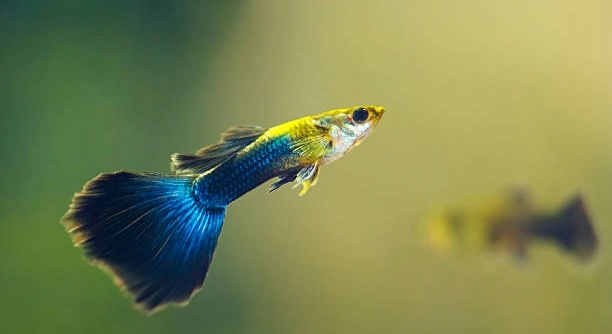
Have you ever watched your guppy swim differently or stop eating and felt unsure if something might be wrong with it?
The most common signs that your guppy is dying include lethargy, faded colors, clamped fins, loss of appetite, labored breathing, swimming issues, and isolation. These symptoms often indicate stress, disease, or poor water conditions.
Learning what these signs mean can help you act quickly and possibly save your guppy from worsening health.
Lethargy and Lack of Movement
Guppies are usually active swimmers. When one starts staying at the bottom of the tank or floating near the surface without moving much, it can be a sign something is wrong. Lethargy often points to stress, illness, or poor water conditions. A healthy guppy will dart around and interact with its surroundings. If yours seems to be hiding or barely swimming, check the tank’s temperature, ammonia levels, and overall cleanliness. Sudden temperature changes or dirty water can shock your fish, making it weak. Some guppies may also act sluggish when suffering from internal infections or parasites, so it’s important to observe closely.
A guppy that seems slow and uninterested in its surroundings might need immediate care. Waiting too long can lower its chances of recovering.
Keep in mind that poor water quality is one of the most common causes of lethargy. Regular maintenance and testing can make a big difference in your guppy’s activity level.
Loss of Appetite
If your guppy stops eating, it’s often a sign that something deeper is going on. Guppies are normally quick to grab food, so skipping meals is not normal behavior.
Appetite loss may happen due to stress, internal parasites, or infections. It can also occur when the water is too cold or the pH is off. Dirty water and sudden environmental changes often affect feeding habits. If your guppy hasn’t eaten for a day or more, take a close look at its environment. Look for changes in behavior or appearance—sunken belly, color fading, or bloating. You may also want to isolate the fish to monitor it better. Sometimes, aggressive tank mates can prevent weaker fish from eating. Another thing to check is the freshness of the food. If the food is old or unsuitable, the guppy might not respond to it. Feeding time should be consistent, and uneaten food should be removed quickly to avoid further issues.
Clamped Fins
When a guppy holds its fins tightly against its body instead of spreading them, it’s often a clear sign of stress or sickness. This behavior can appear early and should not be ignored.
Clamped fins may be caused by poor water quality, sudden temperature drops, or infections like fin rot. It can also happen when your guppy is being bullied by other fish. Guppies use their fins to balance and move freely, so clamped fins usually show discomfort. If your guppy seems otherwise healthy but has clamped fins, test the water first. Make sure ammonia, nitrite, and nitrate levels are safe, and adjust if needed. Also, check for physical damage or discoloration on the fins. Mild cases can be reversed with clean water and reduced stress. If symptoms continue, consider separating the guppy and starting treatment based on what you observe.
Sometimes clamped fins come with other symptoms like color fading or slower swimming. These combinations usually suggest more than just minor stress. Look for any signs of disease—white patches, red streaks, or fin decay. Address the tank’s cleanliness and avoid overcrowding. A calm, stable environment often helps guppies recover. Don’t forget to check your filtration system, as even small issues there can upset your tank’s balance over time.
Faded Colors
A guppy’s bright colors are often a sign of good health. When those colors begin to fade, something is likely bothering your fish. This can be from stress, aging, or disease.
Color loss often happens when the tank environment becomes unstable. Poor lighting, low temperatures, and inconsistent feeding schedules all play a role. A stressed guppy may also lose its color if it’s being chased by other fish or lacks hiding spaces. Infections, especially parasites and bacterial issues, may also cause pale or dull scales. If the color change is sudden, check everything from temperature to food quality. Boosting nutrition with high-quality flakes or live foods can help. Sometimes adding more plants and places to hide can reduce stress levels. Recovery depends on catching the problem early. If things look worse after adjustments, you might need to isolate the guppy for closer observation and possible treatment.
Labored Breathing
If your guppy is struggling to breathe, gasping at the water’s surface, or swimming near the filter intake, it’s a sign of distress. This could be linked to poor water quality, low oxygen levels, or infections.
Check the tank’s oxygen levels first. Inadequate aeration or a clogged filter can limit oxygen. Make sure the water is properly filtered and there’s enough surface agitation for gas exchange. Overcrowding can also reduce oxygen, so ensure your tank isn’t too full. If the problem persists, a possible bacterial or parasitic infection could be affecting the gills. Treat accordingly after confirming the cause.
Swimming Abnormalities
Guppies that swim erratically, upside down, or in circles may be showing signs of illness. Issues with their swim bladder are common causes.
These problems often stem from digestive issues, water quality problems, or injuries. If your guppy’s movements are uncoordinated or it has difficulty maintaining buoyancy, it could be suffering from an infection or parasite. If you notice bloating along with abnormal swimming, internal issues like constipation or a damaged swim bladder are likely. Immediate isolation is best, followed by adjusting water parameters and possibly seeking treatment for any underlying disease.
Isolation
A guppy that isolates itself from the rest of the tank may be showing signs of sickness or stress. Social fish generally prefer being with their group.
If your guppy stays hidden or alone, it’s often due to bullying, poor water conditions, or illness. Fish that are stressed by aggressive tank mates may withdraw to avoid further stress. Make sure the water is clean and safe. If the isolation continues, inspect the other fish in the tank for aggression or health problems.
FAQ
How can I tell if my guppy is stressed?
Stress in guppies can be observed through behaviors like hiding, clamped fins, faded colors, or erratic swimming. A stressed guppy may avoid interacting with other fish, swim lethargically, or stay near the tank’s surface. Stress can be triggered by poor water conditions, overcrowding, or incompatible tank mates. It’s important to keep the environment stable by ensuring proper filtration, temperature, and adequate space for your fish.
What should I do if my guppy is not eating?
If your guppy isn’t eating, first check the water quality. Poor water conditions, such as high ammonia levels or incorrect pH, can affect your fish’s appetite. If the water is clean, try offering different foods—such as live or frozen food—to see if your guppy prefers something else. If appetite loss continues for several days, check for other symptoms like bloating or color fading, which could indicate illness. Separating the guppy from other fish and starting treatment may be necessary.
Can guppies get diseases, and how can I treat them?
Yes, guppies are susceptible to several diseases, including fin rot, dropsy, and internal parasites. Symptoms vary depending on the disease, but common signs include fading colors, clamped fins, abnormal swimming, and lesions on the skin or fins. To treat diseases, isolate the affected guppy and provide clean water with proper filtration. You can use medications specific to the disease, available in most pet stores or online. Always follow the instructions carefully to avoid harming the fish further.
Why are my guppy’s fins clamped?
Clamped fins are a sign of stress, illness, or poor water conditions. When a guppy feels threatened or unwell, it might clamp its fins tightly to its body. This can occur due to overcrowding, poor water quality, or aggressive tank mates. Infections like fin rot may also cause this behavior. Check the water parameters, ensure the tank is not overcrowded, and make sure there are no signs of disease. If necessary, treat your fish for infection or remove it from the main tank to reduce stress.
What temperature should my guppy tank be?
Guppies prefer warm water between 74°F and 82°F (23°C to 28°C). Temperatures outside this range can stress your fish and lead to health problems. Too cold, and your guppy’s immune system weakens; too hot, and it can lead to oxygen depletion. Invest in a reliable aquarium heater to keep the temperature consistent. Always use a thermometer to monitor the water, as sudden temperature changes can cause stress or even death.
Is my guppy sick if it’s swimming upside down?
Swimming upside down is often a sign of a problem with your guppy’s swim bladder, which controls buoyancy. This can be caused by overfeeding, constipation, or bacterial infections. If the swim bladder is compromised, your guppy may have trouble maintaining its position in the water. Try fasting the fish for a day or two, then offering a small amount of food. If symptoms persist, check for other signs of illness, and consider isolating the guppy for treatment.
Can I put other fish with my guppy?
Yes, guppies are generally peaceful fish and can live with other peaceful species. However, avoid placing them with fin-nipping or aggressive fish. Guppies do best in a community tank with species like neon tetras, mollies, or other small, non-aggressive fish. Ensure that the tank is large enough to accommodate all the fish comfortably, and keep an eye out for any signs of bullying or stress.
How do I know if my guppy is pregnant?
Female guppies are known for being livebearers, meaning they give birth to live young. Signs of pregnancy include a growing belly and a dark spot near the rear fin, which becomes more noticeable as the pregnancy progresses. Pregnant guppies often become more sedentary and may eat less. If your guppy is close to giving birth, provide a separate area, or use a breeding box to prevent the fry from being eaten by other fish.
How can I prevent my guppy from getting sick?
Maintaining clean water is the most important factor in keeping your guppy healthy. Regular water changes, proper filtration, and monitoring water parameters (such as ammonia, nitrites, and pH) are essential. Avoid overcrowding, as it can lead to stress and disease. Feed your guppy a balanced diet with high-quality foods, and ensure they have a stress-free environment with suitable tank mates. Routine check-ups and observing your fish for early signs of illness can help you catch problems early.
Why is my guppy’s color fading?
A fading color can be a sign of stress, illness, or poor water conditions. Guppies often lose their vibrant colors when they are stressed by overcrowding, sudden temperature changes, or bad water quality. Illnesses like parasites or bacterial infections can also lead to color fading. To help restore color, address the root cause, which may involve improving water conditions, reducing stress, and providing proper nutrition.
How can I improve the water quality for my guppy?
Maintaining clean water is vital to your guppy’s health. Regular water changes (at least 25% weekly) are essential, as they remove toxins and waste that build up in the tank. Invest in a good filtration system to help keep the water clean, and test the water regularly to check for proper levels of ammonia, nitrites, and nitrates. Additionally, make sure the water temperature is stable, as sudden changes can cause stress.
Final Thoughts
Taking care of a guppy requires attention to detail and a consistent approach to tank maintenance. These small fish can thrive when provided with clean water, stable temperatures, and a stress-free environment. Regularly checking water quality, monitoring tank conditions, and watching for any unusual behavior are essential steps in keeping your guppy healthy. By staying aware of common signs of illness or distress, you can address potential issues before they become serious problems. It’s important to remember that your guppy’s behavior and health are often reflections of the environment you provide for them.
Many issues that affect guppies are related to water quality. Ammonia, nitrates, and other harmful substances can build up quickly, especially in a small tank. Using a reliable filtration system and conducting regular water changes are key practices that will help your guppy live a long and happy life. Additionally, a varied diet, including both commercial foods and occasional live or frozen foods, will provide the necessary nutrients for your fish. This balanced care routine helps prevent diseases and ensures your guppy’s immune system stays strong.
By paying attention to the signs your guppy may show, you can help ensure they stay healthy and active. Whether it’s recognizing signs of stress like clamped fins or addressing swimming abnormalities early, catching issues quickly can make a big difference. In the end, providing a good environment and observing your guppy closely are the most important aspects of their care. If problems arise, don’t hesitate to isolate the affected fish and address any issues promptly to help them recover.

Hello,
If you enjoy the content that we create, please consider saying a "Thank You!" by leaving a tip.
Every little bit helps us continue crafting quality advice that supports the health, happiness, and well-being of pets around the world, for pets of all shapes, sizes, and species.
We really appreciate the kindness and support that you show us!