
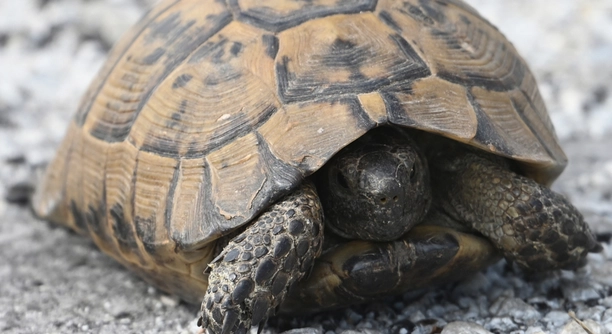
A healthy Greek tortoise is a joy to care for, but sometimes they can show signs that something isn’t quite right. One issue to watch for is a calcium deficiency, which can affect their well-being.
Calcium is essential for the overall health of your Greek tortoise, especially for strong bones and proper shell growth. A deficiency in calcium can lead to physical issues, including soft shells, weak legs, and potential organ problems if left untreated.
By recognizing the signs early, you can take the necessary steps to improve their health and prevent further complications. Understanding these symptoms is crucial for maintaining your tortoise’s vitality.
Soft Shells and Deformities
One of the most noticeable signs that your Greek tortoise might be suffering from a calcium deficiency is the softness or deformity of its shell. Calcium is critical for proper shell development, and without enough, the shell can become flexible or misshapen. A healthy shell should be hard and solid, providing protection and structure for the tortoise. If you notice indentations or unusual soft spots, this could be a clear indicator that their calcium levels are too low.
These issues don’t just affect appearance; they also impact your tortoise’s ability to move and function properly. A weak shell makes them vulnerable to injury and infection. To prevent these problems, ensure your tortoise has a calcium-rich diet and proper UVB lighting to help them absorb the necessary nutrients. You may also want to consider providing calcium supplements, as recommended by a vet.
Regular checks on your tortoise’s shell will help spot issues early. By offering the right diet and environment, you can avoid shell deformities caused by calcium deficiency.
Weak Legs and Slow Movement
Another sign of calcium deficiency is weakness in the legs. If your Greek tortoise seems unable to move quickly or struggles to walk, it may be due to poor bone health. This issue can also result in leg deformities, making it harder for them to support their body weight.
Weak bones in the legs can cause your tortoise to have trouble walking or standing properly. They might appear lethargic or even develop a limp, as their bones cannot support them as they should. This condition is also closely linked to improper calcium absorption. Along with adjusting their diet, consider providing more opportunities for them to bask in natural or artificial UVB light to help with calcium absorption.
Ensuring your tortoise has access to an environment that supports bone health is key. If you notice any change in their mobility or posture, a visit to a vet is essential to address the deficiency and improve their quality of life.
Difficulty Lifting and Basking
When a Greek tortoise struggles to lift itself or spend time basking, it may be dealing with a calcium deficiency. Calcium is vital for muscle function, and without enough, your tortoise might be too weak to perform simple actions like climbing or adjusting its position.
A calcium deficiency can lead to muscle weakness and lack of coordination, preventing your tortoise from lifting itself properly. This also affects their ability to bask, which is essential for maintaining body temperature and absorbing UVB light. Basking helps them metabolize calcium, so a deficiency in either can further complicate their condition. If this issue arises, consider checking the calcium levels in their diet and providing them with proper UVB exposure to support muscle and bone strength.
If your tortoise is struggling to lift itself or get comfortable while basking, it’s a strong indication that they might need additional calcium. Paying attention to their behavior and making necessary changes will improve their health.
Poor Appetite and Digestive Issues
A lack of calcium can impact your tortoise’s appetite, causing them to eat less or avoid food altogether. This is because calcium plays a role in digestive processes and overall metabolic function.
A calcium deficiency can make it harder for your tortoise to properly digest its food, leading to a lack of appetite or digestive problems. You may notice that your tortoise is eating less than usual, becoming less interested in food or showing signs of digestive discomfort like bloating or constipation. This issue should not be ignored as it can lead to further health complications if left untreated.
To correct the problem, offer a calcium-rich diet and ensure they are getting enough UVB light, which helps with calcium absorption. Consult a vet if these signs continue or worsen to rule out any other underlying conditions.
Sunken Eyes
Sunken eyes can be a subtle sign of a calcium deficiency in Greek tortoises. This condition occurs when their body isn’t absorbing enough calcium, affecting the hydration levels and overall health. If your tortoise’s eyes appear sunken or dull, it may need more calcium.
Sunken eyes often indicate dehydration or poor overall health, both of which can be linked to calcium deficiency. When a tortoise’s bones are weak, it struggles to retain fluids properly. A lack of calcium also impacts the functioning of their kidneys, which helps regulate hydration. If this happens, make sure your tortoise has access to both proper hydration and the right nutrients, especially calcium-rich foods and supplements. UVB light is also essential to help with calcium absorption.
Soft or Brittle Beak
A soft or brittle beak is another warning sign of calcium deficiency in Greek tortoises. Calcium helps maintain the strength and structure of their beak, so when it becomes weak, it’s a clear indication that something is wrong.
A weak beak can make it difficult for your tortoise to eat and interact with its environment. This issue is directly related to calcium deficiency, as calcium is responsible for strengthening bones and beaks. If the beak feels soft or brittle to the touch, consider adjusting their diet and providing a calcium supplement. UVB exposure should also be increased to assist in calcium absorption, improving their overall condition. Regular checkups with a vet are advised to track their progress.
Lethargy and Inactivity
Lethargy and inactivity often stem from a calcium deficiency in Greek tortoises. When they don’t get enough calcium, it affects their energy levels, causing them to feel tired and unmotivated.
Calcium is crucial for muscle function and energy levels in tortoises. Without it, their muscles become weak, and they lack the strength to be active. This results in lethargy, where your tortoise may spend most of the day resting rather than moving around. If your tortoise is showing signs of inactivity, consider adjusting their diet and ensuring they have access to adequate UVB light. A vet visit may also be necessary to monitor their calcium levels.
FAQ
What causes calcium deficiency in Greek tortoises?
Calcium deficiency in Greek tortoises is often caused by inadequate diet or insufficient UVB light exposure. Tortoises require a diet rich in calcium, typically from leafy greens and calcium supplements. UVB light helps them metabolize calcium efficiently, so without proper lighting, they can struggle to absorb the nutrients they need. Poor nutrition or a lack of appropriate lighting can both lead to weakened bones, soft shells, and other health issues.
How can I prevent calcium deficiency in my Greek tortoise?
To prevent calcium deficiency, ensure your tortoise has access to a calcium-rich diet. Dark leafy greens like collard greens, dandelion greens, and kale are excellent sources. You can also offer calcium supplements if needed. Make sure your tortoise has proper access to UVB light to aid in calcium absorption. A combination of proper diet and adequate lighting will support healthy bones and shell growth. Additionally, avoid offering too much phosphorus-rich food, which can interfere with calcium absorption.
Can I over-supplement calcium for my Greek tortoise?
Yes, over-supplementing calcium can cause problems. Excessive calcium can lead to kidney issues and other complications, as the body struggles to process too much of the mineral. It’s important to offer the right amount of calcium based on your tortoise’s age, size, and activity level. Always consult a vet before starting supplementation to ensure you are providing the correct dosage. Too much calcium can lead to calcification of soft tissues, which can be harmful to their health.
How often should I provide calcium supplements to my tortoise?
The frequency of calcium supplementation depends on your tortoise’s diet and UVB exposure. If your tortoise has a well-balanced diet with calcium-rich foods and proper UVB light, supplements may not be needed as frequently. However, if your tortoise is not getting enough calcium from food or light, you might need to offer supplements more regularly. Generally, calcium supplements should be provided two to three times a week. Consult a veterinarian for personalized advice based on your tortoise’s specific needs.
Can UVB light really help with calcium absorption in tortoises?
Yes, UVB light plays a vital role in calcium absorption for tortoises. UVB rays help them synthesize vitamin D3, which is essential for calcium metabolism. Without sufficient UVB exposure, tortoises may have difficulty processing the calcium in their diet, leading to deficiencies. Ensure your tortoise has access to a UVB light source for 10-12 hours a day, and replace the bulb regularly to maintain proper UVB output. This will help your tortoise absorb calcium effectively and maintain strong bones.
What are the symptoms of severe calcium deficiency in tortoises?
Severe calcium deficiency can cause a range of symptoms, including soft or deformed shells, weak legs, sunken eyes, and difficulty moving or lifting the body. Tortoises may become lethargic and show signs of muscle weakness. If left untreated, severe calcium deficiency can lead to long-term damage to bones and organs. In extreme cases, the condition may become life-threatening. If you notice any of these symptoms, seek veterinary advice immediately to address the deficiency before it worsens.
How can I tell if my tortoise’s shell is too soft?
To check if your tortoise’s shell is too soft, gently press on different areas of the shell. A healthy, firm shell will not give way under gentle pressure. If the shell feels soft or flexible, this is a sign of calcium deficiency. You might also notice deformities or indentations. A soft shell can make your tortoise more vulnerable to injury and infections, so it’s essential to address the calcium deficiency promptly. Ensure your tortoise is getting enough calcium from its diet and UVB light.
Can a calcium deficiency affect my tortoise’s ability to eat?
Yes, calcium deficiency can affect your tortoise’s ability to eat. When their bones and muscles are weak, they may have difficulty lifting food or may become too lethargic to feed properly. Additionally, a lack of calcium can lead to digestive issues, making it harder for your tortoise to process food. This can result in a decreased appetite, further contributing to malnutrition. A proper calcium intake, along with regular UVB exposure, is crucial for maintaining your tortoise’s appetite and overall health.
Is it safe to give my tortoise calcium tablets or powders?
Calcium tablets or powders can be safe for your tortoise, but they should be used with caution. It’s important to choose supplements that are designed specifically for reptiles. You can sprinkle calcium powder on their food, but avoid over-supplementing. Always follow the recommended dosage based on your tortoise’s size and age. A vet can help determine the right type and amount of supplement for your tortoise’s individual needs. Overuse of supplements can lead to health problems, so it’s essential to find the right balance.
What foods should I avoid feeding my Greek tortoise to prevent calcium deficiency?
To prevent calcium deficiency, avoid feeding your Greek tortoise foods that are high in phosphorus and oxalates, as these can interfere with calcium absorption. Foods like spinach, beet greens, and Swiss chard are high in oxalates and should be fed in moderation. Similarly, foods high in phosphorus, like broccoli, should be offered sparingly. Focus on providing calcium-rich vegetables like dandelion greens, collard greens, and mustard greens, and balance their diet with a variety of other appropriate foods to ensure they get enough calcium without any interference from harmful substances.
Final Thoughts
Calcium is crucial for the health of your Greek tortoise. Without it, they may experience serious health issues like soft shells, weak bones, or difficulty moving. A balanced diet, rich in calcium, along with proper UVB light exposure, is essential for maintaining your tortoise’s overall well-being. Ensuring they get enough calcium helps them grow strong and healthy, preventing problems that could affect their quality of life. Regularly monitoring your tortoise’s diet and environment is important to catch any signs of deficiency early.
If you suspect that your tortoise is showing signs of calcium deficiency, such as soft or deformed shells, lethargy, or trouble moving, it’s important to act quickly. Consult a veterinarian for proper diagnosis and treatment. In the meantime, check their diet and lighting setup. Make sure they have access to a variety of calcium-rich foods and UVB light. Calcium supplements can be helpful, but they should be used carefully to avoid over-supplementation. Always follow expert recommendations to maintain a balanced approach.
Keeping your Greek tortoise healthy requires attention and care. By providing a proper diet, sufficient calcium, and adequate UVB light, you can help prevent deficiencies and ensure a long, healthy life. With the right knowledge and resources, you can confidently care for your tortoise and provide them with the best environment possible.

Hello,
If you enjoy the content that we create, please consider saying a "Thank You!" by leaving a tip.
Every little bit helps us continue crafting quality advice that supports the health, happiness, and well-being of pets around the world, for pets of all shapes, sizes, and species.
We really appreciate the kindness and support that you show us!