
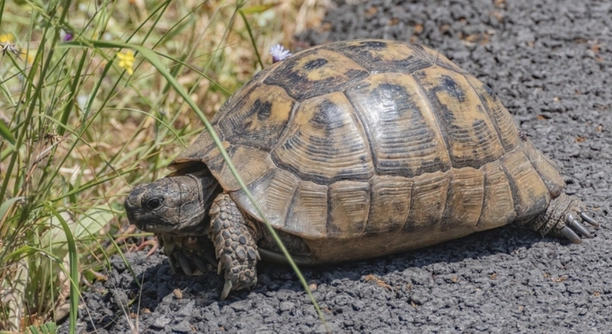
Greek tortoises are popular pets, known for their unique behavior and charming presence. However, like all pets, they can sometimes show signs of illness. Recognizing the symptoms early can help ensure they stay healthy and happy.
Signs that your Greek tortoise might be sick include a lack of appetite, unusual behavior, excessive sleeping, respiratory issues, and abnormal shell appearance. These changes indicate potential health problems, which require prompt attention to avoid further complications.
By observing these key signs, you can identify health concerns early. Knowing how to respond to changes can lead to better care and a healthier tortoise overall.
Lack of Appetite or Refusal to Eat
If your Greek tortoise suddenly loses interest in food, it’s a sign something might be wrong. They usually have a steady appetite, so a noticeable decrease in eating is a red flag. Stress, temperature changes, or illness can cause a loss of appetite.
A lack of food intake may also lead to dehydration, which can make things worse. Ensure their habitat is warm enough and that they’re not stressed. If they refuse food for more than a day or two, a visit to the vet is essential.
Sometimes, a tortoise’s lack of interest in food can indicate digestive issues. This might be due to improper humidity levels or an unbalanced diet. When these issues are left unaddressed, they could cause further complications. Regular check-ups with a reptile vet can help avoid these issues.
Abnormal Behavior and Lethargy
If your tortoise is spending an excessive amount of time in its hiding place or acting lethargic, it’s another sign of potential illness. Greek tortoises are typically active during the day.
Excessive sleep or hiding can be caused by a range of issues, including internal infections or environmental factors such as lighting or temperature. Keep their environment consistent and check for any changes in their behavior. Prolonged lethargy can also indicate more severe conditions that need attention.
Always pay attention to subtle shifts in your tortoise’s habits. The sooner you address behavioral changes, the easier it is to manage the problem. Additionally, making sure they have a proper diet and a clean habitat can help prevent health issues from arising in the first place.
Respiratory Issues
If you notice your Greek tortoise making wheezing or clicking sounds, or if it’s having trouble breathing, this could indicate respiratory issues. These problems are common in reptiles and should be treated immediately.
Respiratory infections are often caused by environmental stressors like poor humidity, low temperatures, or improper ventilation. If untreated, they can worsen quickly, affecting your tortoise’s health. Always keep their environment warm and dry to prevent these conditions. If breathing difficulties persist, consult with a vet who specializes in reptiles for a diagnosis and treatment plan.
A vet may recommend antibiotics or adjustments to their habitat. It’s also important to monitor their eating and drinking habits closely. If they stop eating or drinking, it can be a sign that the infection has progressed.
Shell Issues
A Greek tortoise with an abnormal shell appearance may be suffering from an underlying health issue. The shell should be smooth and free from cracks, soft spots, or discoloration.
These changes could result from poor nutrition or environmental factors like humidity and temperature. A lack of calcium in their diet may cause soft shell conditions, while infections can lead to abnormal growths or discolored patches. Make sure their diet includes enough calcium and UVB light exposure.
Proper care and a balanced diet are key to preventing shell problems. If the shell appears damaged or infected, it’s important to take them to a vet immediately. Early intervention can help prevent long-term damage.
Changes in Urine or Feces
A change in your Greek tortoise’s urine or feces can indicate health problems. Pay attention to changes in color, consistency, or odor. These shifts are often linked to dehydration, infections, or digestive issues.
If their urine is dark or their feces is runny, it’s time to check their environment and diet. Proper hydration is important, so make sure they have access to fresh water. Also, monitor their food for nutritional balance. If the issues persist, a vet visit is necessary to address any internal problems.
Lack of Mobility
If your tortoise becomes less mobile or has trouble moving around, it could be due to an injury, infection, or neurological issue. This condition may be linked to improper diet or environmental stressors.
A tortoise should move with ease and appear active throughout the day. If their mobility decreases, it may be a sign of underlying health issues like metabolic bone disease. Ensure their habitat provides the right temperatures and UVB light to support healthy bone growth and muscle function. If the problem continues, a vet should evaluate them for potential injuries or illnesses.
Abnormal Eye Appearance
Your tortoise’s eyes should be clear and bright, not swollen, cloudy, or watery. Eye issues often signal an infection or vitamin deficiency.
When a Greek tortoise has eye discharge, swelling, or difficulty opening their eyes, it can be a sign of respiratory infection or nutritional imbalances. They may also have trouble seeing, which can affect their overall well-being. Ensure they’re getting the right nutrients, such as vitamin A, and that their environment is clean and dry. If symptoms persist, consult a vet for treatment.
FAQ
What are the most common signs that my Greek tortoise is sick?
The most common signs of illness in a Greek tortoise include lack of appetite, lethargy, abnormal shell appearance, breathing problems, changes in waste, and eye issues. If you notice any of these symptoms, it’s important to take action and adjust their environment or consult a vet as needed. Keep a close eye on their behavior and appearance to detect health concerns early.
How can I prevent my Greek tortoise from getting sick?
Maintaining a proper habitat is key to preventing illness in your Greek tortoise. Ensure they have a clean enclosure with the right temperature, humidity, and UVB lighting. A balanced diet with sufficient calcium and vitamin A, proper hydration, and regular vet checkups will also help them stay healthy. Avoid sudden environmental changes and monitor their activity levels to catch any potential issues early.
What should I do if my Greek tortoise refuses to eat?
If your tortoise isn’t eating, first check the environment. Make sure the temperature, humidity, and lighting are correct. If these factors are in check, it could be due to stress, illness, or a poor diet. Offer different types of food to stimulate their appetite, such as leafy greens, fruits, or flowers. If they still refuse to eat after a few days, consult a vet to rule out any underlying health issues.
How do I know if my Greek tortoise is dehydrated?
Signs of dehydration in a Greek tortoise can include lethargy, dry or sunken eyes, and less frequent urination. If their skin doesn’t snap back quickly when pinched, they could be dehydrated. Make sure they always have access to fresh water and provide a humid environment if necessary. In severe cases, a vet may need to assist with rehydration.
How do I treat a respiratory infection in my Greek tortoise?
A respiratory infection in a Greek tortoise should be treated promptly by a vet. The symptoms include wheezing, nasal discharge, and difficulty breathing. The vet will likely prescribe antibiotics to treat the infection. To prevent future issues, make sure their enclosure is warm, dry, and properly ventilated. Stress and poor conditions can exacerbate respiratory problems, so keep their environment stable.
Is it normal for my Greek tortoise to sleep a lot?
While Greek tortoises are known for being active during the day, it’s normal for them to sleep for extended periods, especially during cooler months. However, if they are sleeping excessively or not moving much, it could indicate illness or stress. Ensure they are in the right temperature range and offer appropriate food. If their lethargy continues for more than a few days, consult a vet for further evaluation.
Can my Greek tortoise get shell rot?
Yes, shell rot is a condition that can affect Greek tortoises if their shells become soft, discolored, or develop sores. This is often caused by poor habitat conditions, such as excessive moisture or lack of proper lighting. If you notice any changes in your tortoise’s shell, clean and dry the area and take them to the vet. Prevention includes keeping their enclosure dry, providing proper UVB lighting, and ensuring they have a balanced diet rich in calcium.
How do I provide the right diet for my Greek tortoise?
A proper diet for a Greek tortoise should consist mainly of high-fiber plants like leafy greens, grasses, and herbs. You can occasionally offer fruits in small amounts as a treat. Avoid high-protein foods like meat or dairy. It’s important to provide calcium and vitamin supplements, especially for shell health, and make sure they have access to fresh water at all times.
Why is my Greek tortoise’s shell soft or deformed?
A soft or deformed shell is often a sign of metabolic bone disease, which can be caused by insufficient calcium, vitamin D3, or UVB exposure. Make sure your tortoise has access to UVB lighting to help them produce vitamin D3 and ensure they’re getting enough calcium in their diet. If the shell continues to soften or deform, it’s essential to visit a vet for diagnosis and treatment.
How can I tell if my Greek tortoise is stressed?
Stress in Greek tortoises can be caused by changes in their environment, such as moving to a new enclosure or sudden temperature shifts. Signs of stress include hiding, reduced activity, lack of appetite, and frequent breathing or yawning. Maintaining a stable, comfortable habitat and avoiding handling them too often can help reduce stress. If they show signs of stress for an extended period, you may need to reassess their living conditions.
Final Thoughts
Taking care of a Greek tortoise requires understanding and attentiveness to their specific needs. Their environment, diet, and health are all interconnected. A proper habitat, with the right temperature, lighting, and humidity, is essential for their well-being. Ensuring that they have access to fresh water and a balanced diet of leafy greens and occasional fruits can go a long way in maintaining their health. It is crucial to avoid sudden changes in their surroundings, as they can become stressed and their immune systems might weaken.
If you notice signs of illness in your tortoise, it’s important to act quickly. Early detection of health issues can make a significant difference in treatment outcomes. Common signs of illness, such as a lack of appetite, lethargy, or unusual eye discharge, should never be ignored. Regular monitoring of your tortoise’s behavior and physical condition is the key to catching potential problems before they become more serious. If in doubt, always seek the advice of a veterinarian who specializes in reptiles. They can provide guidance on treatment and offer preventive measures to keep your tortoise healthy for years to come.
In the end, Greek tortoises are relatively low-maintenance pets, but they still require thoughtful care to thrive. By providing a stable environment, a proper diet, and regular health check-ups, you can ensure that your tortoise lives a long, healthy life. Taking the time to learn about their needs will help you become more confident in their care and prevent avoidable issues. Keep their habitat clean, monitor their health, and offer them a little love and attention, and you’ll have a happy, healthy tortoise to enjoy for many years.

Hello,
If you enjoy the content that we create, please consider saying a "Thank You!" by leaving a tip.
Every little bit helps us continue crafting quality advice that supports the health, happiness, and well-being of pets around the world, for pets of all shapes, sizes, and species.
We really appreciate the kindness and support that you show us!